
Eight Sources of Bias That May Impact Decision Making
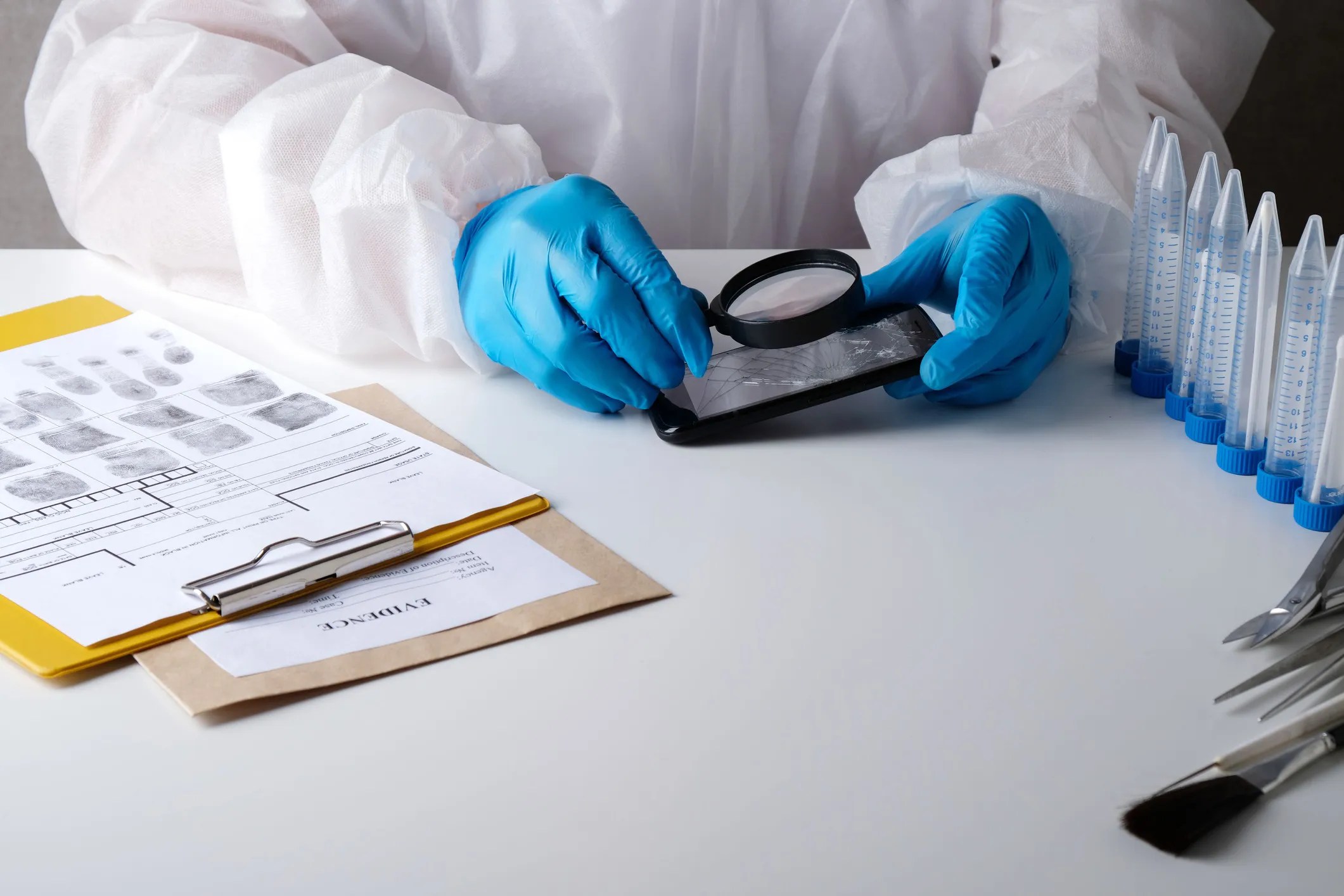
Decision making is central to forensic science. Yet, even highly trained professionals can be influenced by cognitive bias. These subconscious influences can stem from how information is presented, workplace conditions, personal experiences, and natural cognitive processes. Dr. Itiel Dror’s framework eight sources of bias that may affect expert decision making, grouped into factors related to the case, the individual and work environment, and human cognition.
Understanding Cognitive Bias in Forensic Science
A cognitive bias is a systematic tendency that can influence how a person perceives, evaluates, or interprets information. In forensic science, cognitive bias can influence how evidence is collected, perceived, and interpreted. Consequently, understanding cognitive bias in forensic science is critical because it can lead to wrongful convictions, flawed evidence analysis, and compromised judicial outcomes.
The Eight Sources of Bias
Forensic examiners are not immune to biases. Since bias can enter the decision-making process, it is critical to examine what organizations can do to reduce its potential impact. According to Dr. Itiel Dror, there are eight sources of bias that may impact decision making, organized into three broad categories: factors related to the specific case and analysis, factors related to the individual performing the analysis, and factors associated with human cognition. Here are the eight sources of biases in Dr. Dror’s framework:
Data
The data being examined can influence decision making. Bias may enter through how information is collected, sampled, selected, or characterized. Decisions about what information is relevant and what may be dismissed as noise can affect the subsequent analysis.
Reference Materials
The presence, order, or characteristics of reference material can influence how an examiner evaluates evidence. Research involving fingerprint examination, for example, has demonstrated that the same latent print can be examined differently depending on whether a comparison print is presented alongside it. Procedures that establish an appropriate sequence for examining unknown evidence and reference materials can therefore help reduce unnecessary influence.
Contextual Information
Information surrounding a case can influence how an expert evaluates evidence, even when that information is not directly relevant to the technical examination. For example, knowledge about a suspect, victim, investigative theory, or previous findings may create expectations that influence subsequent analysis. Managing unnecessary contextual information can therefore be an important consideration in reducing potential bias.
Base Rates
Previous experience and knowledge about how frequently certain findings occur can influence expectations. While base-rate information can be useful when relevant, expectations can also affect how ambiguous evidence is interpreted. Recognizing when prior knowledge may influence judgment can help experts distinguish between what the evidence demonstrates and what they expect to find.
Organizational Factors
The environment in which professionals work can also affect decision making. Organizational culture, workplace expectations, policies, management practices, workload, and other factors can influence how experts approach their work. Bias mitigation therefore cannot rely solely on individual practitioners. Organizations can also examine their processes and working environments for conditions that may create opportunities for undue influence.
Education and Training
Education and training shape how experts evaluate evidence and make decisions. Training can help professionals understand potential cognitive influences and develop strategies for addressing them. Ongoing education can also help organizations establish consistent practices for recognizing and managing potential sources of bias.
Personal Factors
Individual characteristics and experiences can affect professional judgment. Dror’s work discusses factors such as motivation, beliefs, personality, risk tolerance, tolerance for ambiguity, stress, fatigue, and the tendency to seek closure. These factors do not necessarily indicate a lack of competence or professionalism. Instead, they demonstrate why structured processes and safeguards can be important when decisions involve professional judgment.
Human and Cognitive Factors
The final source of bias comes from the way the human brain processes information. People cannot consciously process every piece of information they encounter, so the brain relies on cognitive processes that help make sense of complex information. These processes are essential to everyday decision making but can also create predictable influences on perception, interpretation, and judgment. These cognitive factors are inherent to human nature and therefore affect everyone.
Why Addressing Bias Requires a Systems-Based Approach
The eight sources of bias do not necessarily operate independently. Multiple sources can interact and reinforce one another, potentially creating a cumulative effect on decision making. For example, an examiner could encounter emotionally suggestive data, receive contextual information about a case, work under organizational pressure, and rely on expectations developed through previous experience. Each factor may have an influence, and together they may create a greater risk of cognitive contamination. This is why addressing bias requires a systems-based approach rather than simply telling professionals to “be objective.”
Building More Reliable Decision-Making Processes
For forensic laboratories and other organizations where impartial, technically sound decisions are essential, identifying potential sources of bias is an important part of strengthening decision-making processes. Through appropriate procedures, information management, organizational safeguards, and training, organizations can work to reduce the potential impact of cognitive bias and support more reliable professional judgments.
ANAB Training: Cognitive and Human Factors in Forensic Decision Making
ANAB’s Cognitive and Human Factors in Forensic Decision Making course is designed to improve forensic decision making and can be tailored to participants working in areas such as DNA analysis, drug analysis, firearms examination, fingerprint processing, digital evidence, and crime scene investigation. Taught by Dr. Dror himself, this training will help attendees examine how brain function and cognitive/human factors can influence decision making; the course then connects these concepts to practical challenges in forensic work.
Applying Cognitive Factors to Forensic Practice
Participants gain an understanding of cognitive and human factors that may affect forensic decisions, along with practical approaches for improving decision making, addressing weaknesses, and applying best practices to forensic processes. The training is also relevant to ISO/IEC 17020 and ISO/IEC 17025, which address considerations including human error, freedom from bias, and impartiality.
By building awareness of how cognitive factors can influence professional judgment, forensic practitioners can take proactive steps to strengthen decision-making processes and support the reliability and impartiality of forensic results.
Learn more about ANAB’s Cognitive and Human Factors in Forensic Decision Making course.