ASTM F1976-24: Testing Athletic Shoe Cushioning
Every stride in a run sends a rapid load through the shoe and into the body. A runner’s heel or forefoot meets the ground, the…

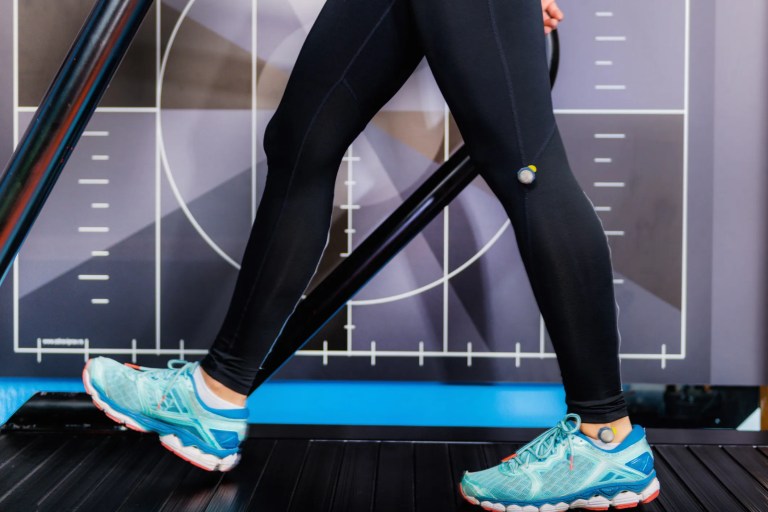
Every stride in a run sends a rapid load through the shoe and into the body. A runner’s heel or forefoot meets the ground, the…
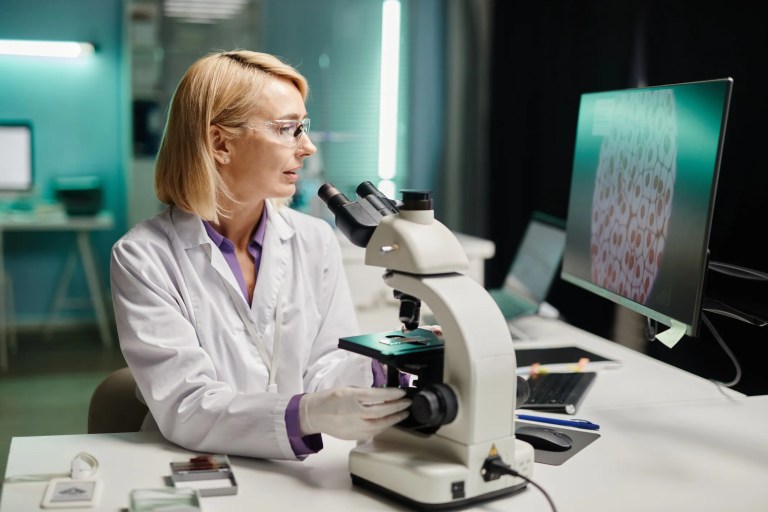
Under a microscope, cells suspended in cerebrospinal, pleural, peritoneal, bronchoalveolar, or synovial fluid can provide important clues about what is happening inside the body. For…

Through the scientific method, repeatability and reproducibility fortify accuracy. Unfortunately, differing operators, equipment, calibration, environment, and time introduce variations and potential inaccuracies in measurements. An…

Even the most durable or permanent items can at some point deteriorate. That doesn’t mean these qualities should be ignored. However, the ability to remain…
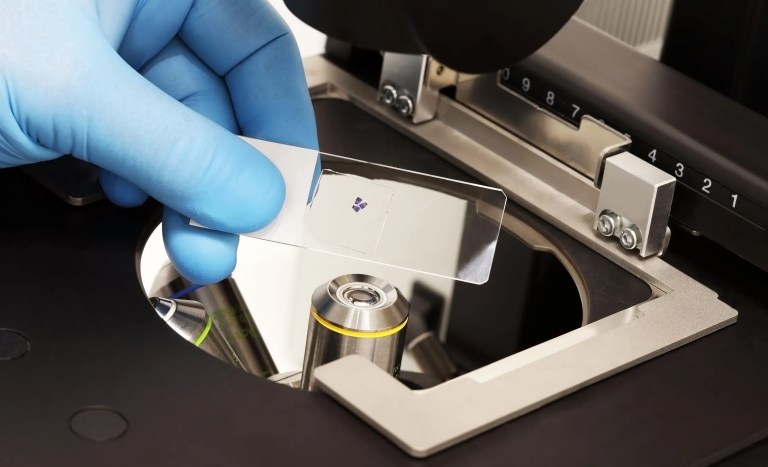
Scientific laboratories need high-precision microscope slides and cover glasses for a wide range of uses, ranging from simple optical microscopy to more advanced cytology and…

The introduction of an SPF (Sun Protection Factor) began in the 1930s. Austrian chemist Franz Greiter, inspired by a sunburn while climbing a mountain, developed…

We are quite literally full of bacteria. In fact, humans have more bacteria in their gut than cells in their body. The gut is thereby…
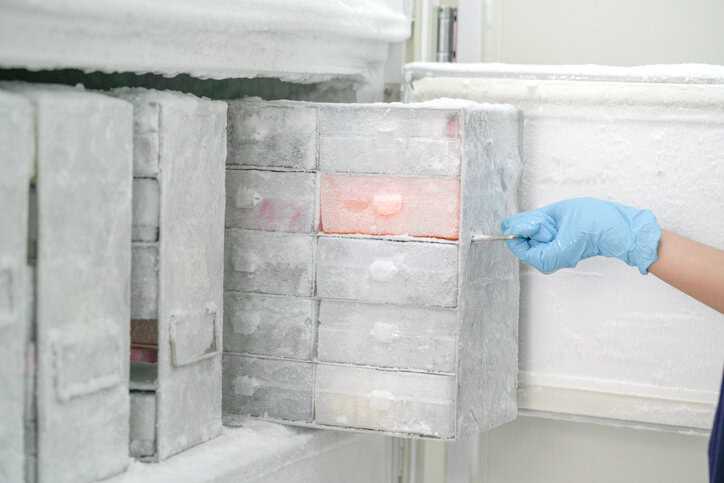
Ultra-low freezers are an essential piece of lab equipment—and for good reason. They play a critical role in preserving and storing biological samples at temperatures…
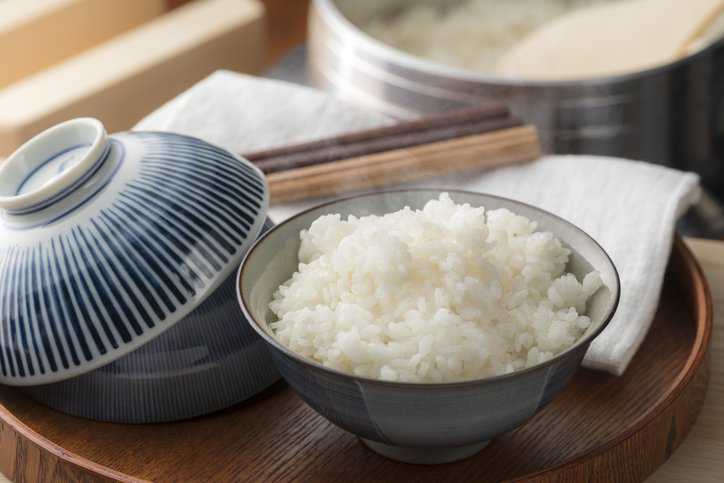
There are over 40,000 varieties of cultivated rice (the grass species Oryza sativa) worldwide. Every continent other than Antarctica produces some variety of rice: the…