
ANSI/ATCC ASN-0003-2015: DNA Barcoding for Animal Cells
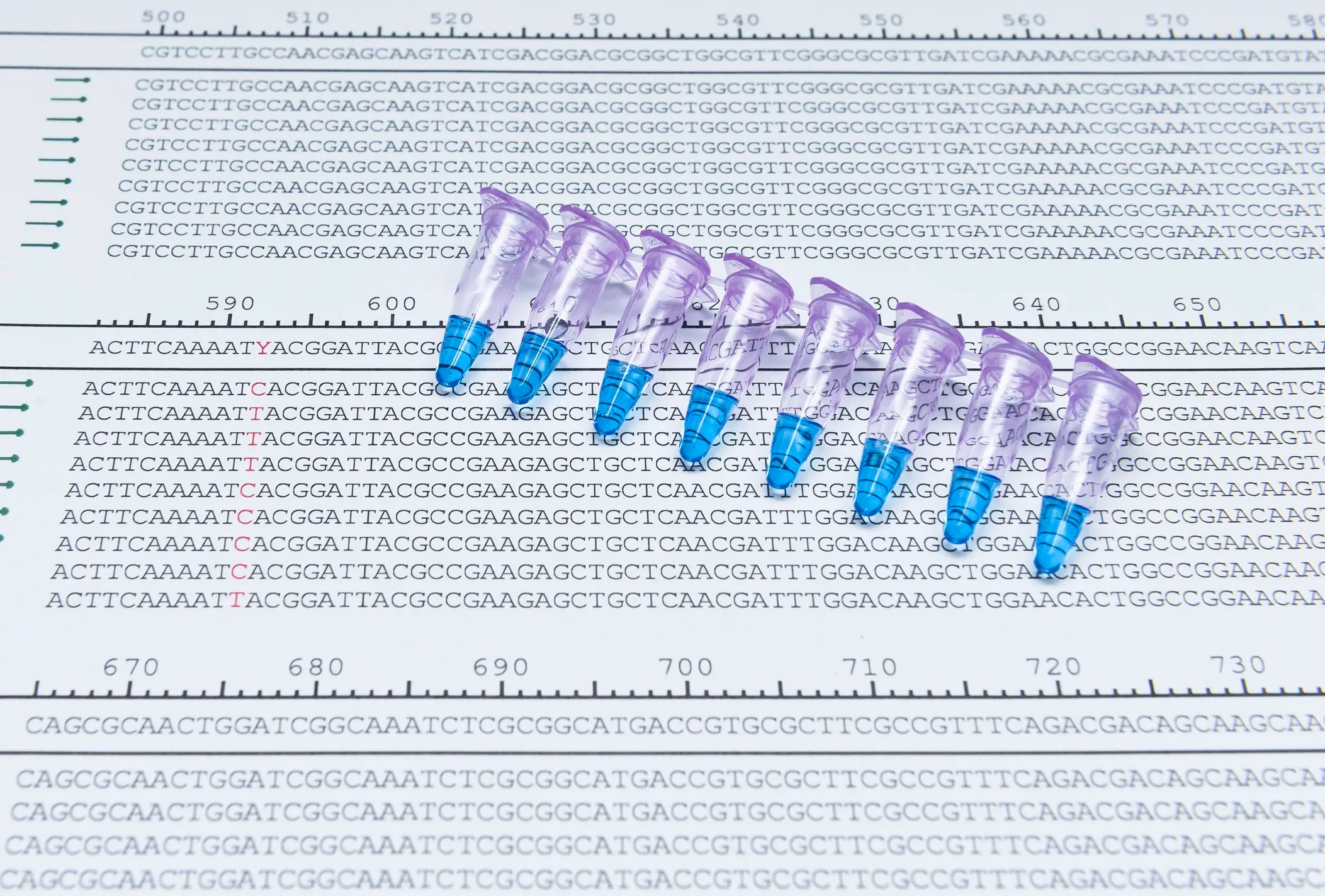
Animal cells and tissues are valuable tools in many areas of scientific research, including cell biology, taxonomy, and regulatory applications. Accurately identifying the species of origin is essential for assuring reliable, reproducible results across these fields. ANSI/ATCC ASN-0003-2015, Species-Level Identification of Animal Cells through Mitochondrial Cytochrome c Oxidase Subunit 1 (CO1) DNA Barcodes uses DNA sequencing of the mitochondrial CO1 gene (a ~658-base-pair region) to verify the species origin of non-human animal cell lines, cultures, or biological samples.
DNA Barcoding vs. Traditional Species Identification Methods
Traditional methods of species-level identification, such as isoenzyme analysis (isozyme profiling), can confirm the species of only a restricted range of animals and have been used primarily used to authenticate cultured animal cells. While isoenzyme analysis is a valuable tool for confirming the species of origin in cell lines, it has major limitations when applied to broad animal taxonomy.
DNA barcoding offers a broader approach by analyzing approximately 650 base pairs from the 5′ region of the mitochondrial cytochrome c oxidase subunit 1 (CO1) gene. By comparing this DNA sequence with a reference library built from specimens identified by experts, researchers can determine the species of origin of vertebrate and invertebrate animal cells and tissues.
What Is ANSI/ATCC ASN-0003-2015?
ANSI/ATCC ASN-0003-2015 establishes a standardized method for the species-level identification of animal cells and tissues using mitochondrial cytochrome c oxidase subunit 1 (CO1) DNA barcodes. It defines DNA barcoding as “the process by which the sequence of a DNA segment is determined and used to identify a species.”
What Is CO1 Analysis?
DNA barcoding (CO1 analysis) is a scientific method that can successfully identify a wide range of species from various animal taxa; it can even discriminate between species of the same genus. CO1 analysis can be used for many sample types ranging from cultured cells to entire organisms.
The American National Standard is intended for the identification of the species of origin of a tissue/organism sample and not for the identification of the organ from which these cells derived. Neither traditional methods of cell line authentication nor DNA barcoding can identify from which tissue in an organism a sample of cells originate.
Accurate Animal Cell Identification
Accurate animal cell identification is important because it guides disease diagnosis, assures the safety of biological and medical products, and advances targeted treatments in medicine and biotechnology. If cells are misidentified, it can lead to invalid scientific data, wasted resources, and potentially dangerous medical treatments. Thus, accurate animal cell identification plays an essential role in scientific quality control.
ANSI/ATCC ASN-0003-2015 helps laboratories verify specifies identification, thereby helping promote greater confidence in biological materials as well as support accurate, reproducible research.
Where to Find ANSI/ATCC ASN-0003-2015?
ANSI/ATCC ASN-0003-2015, Species-Level Identification of Animal Cells through Mitochondrial Cytochrome c Oxidase Subunit 1 (CO1) DNA Barcodes is available on the ANSI Webstore.
ANSI/ATCC ASN-0003-2015 was developed by the American Type Culture Collection (ATTC).
Please direct any technical questions relating to this American National Standard to the developer. You can find the contact information for all ANSI-accredited standards developers here: List of ANSI-Accredited Standards Developers (ASDs).
For further information, please refer to: Who to Contact for Standards Related Questions.