ANSI Z540-1
ANSI/NCSL Z540-1 and ANSI/NCSL Z540.3, both commonly referred to as ANSI Z540, form a supplemental accreditation program to ISO/IEC 17025:2017. Implementing a laboratory management system…

ANSI/NCSL Z540-1 and ANSI/NCSL Z540.3, both commonly referred to as ANSI Z540, form a supplemental accreditation program to ISO/IEC 17025:2017. Implementing a laboratory management system…

The cannabis industry has seen significant growth in the past few years from the new medical and recreational markets to the development of consensus methods….

The Consumer Products Safety Improvement Act (CPSIA) was voted into law in 2008. The CPSIA includes provisions for addressing lead levels, phthalates, toy safety, and…

Many are familiar with the saying, “Measure twice, cut once,” which stresses the importance of being diligent when performing a measurement to ensure its accuracy….
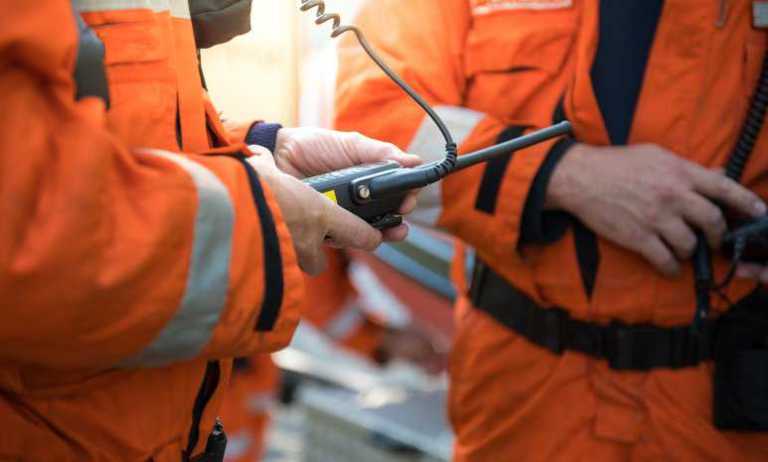
What is P25 CAP? The Project 25 Compliance Assessment Program (P25 CAP) ensures interoperability among the radio communications equipment used by first responders. Developed by…

ISO/IEC 17025 accredited laboratories use Reference Materials, or RMs, and Certified Reference Materials, or CRMs, in a variety of ways. RMs and CRMs can be…

Laboratory Accreditation Meaning Laboratory accreditation is an attestation of the laboratory’s competence to perform measurements based on a defined scope of accreditation. For a broader…

Technical requirements (TR) for specific programs are defined by ANAB to further outline additional requirements for the activities performed by laboratories within those programs. Technical…

An American National Standard, ANSI/ASSP Z9.5-2022, focuses on laboratory ventilation. Why Do We Ventilate Laboratories? Air enters your body through your mouth or nostrils and…