What Does a Career in Quality and Accreditation Actually Look Like?
Ask a high school or college student what they want to do for a living, and you’ll hear familiar answers: doctor, engineer, teacher, software developer….

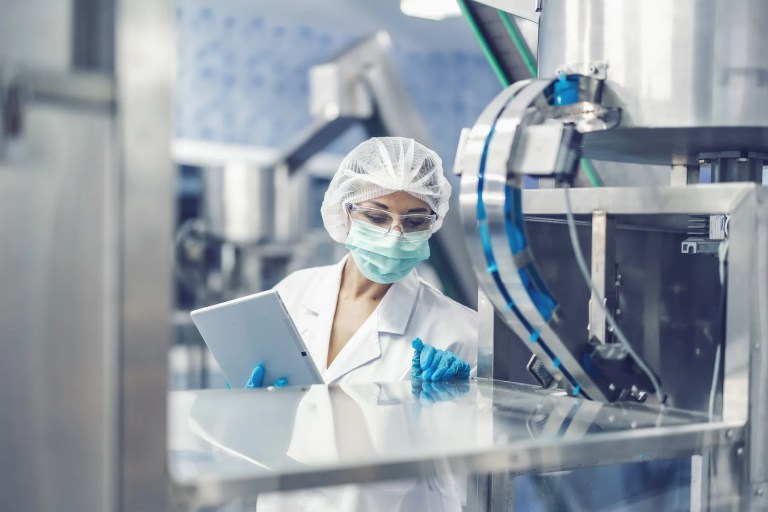
Ask a high school or college student what they want to do for a living, and you’ll hear familiar answers: doctor, engineer, teacher, software developer….
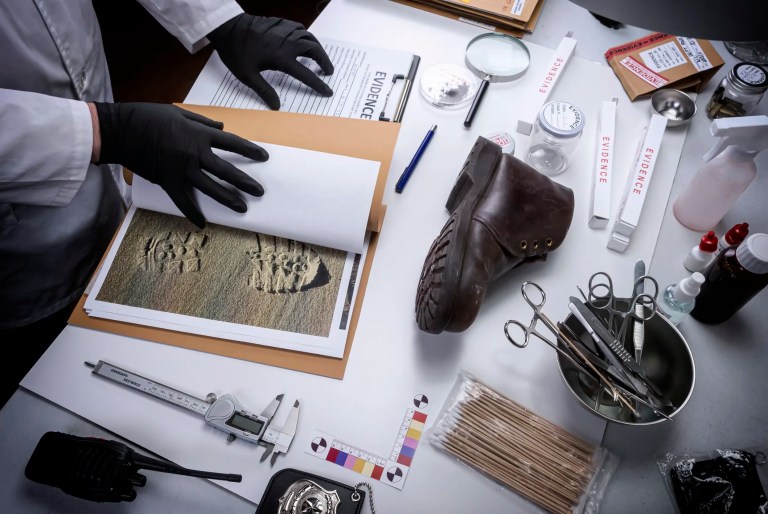
Decisions made by forensic professionals can influence investigations, legal proceedings, and how evidence is understood in court. Because of these high stakes, forensic decision making…

World Accreditation Day 2026 is built around three ideas: innovation, trust, and sustainability. In the last blog post in this series, ANAB looked at how…
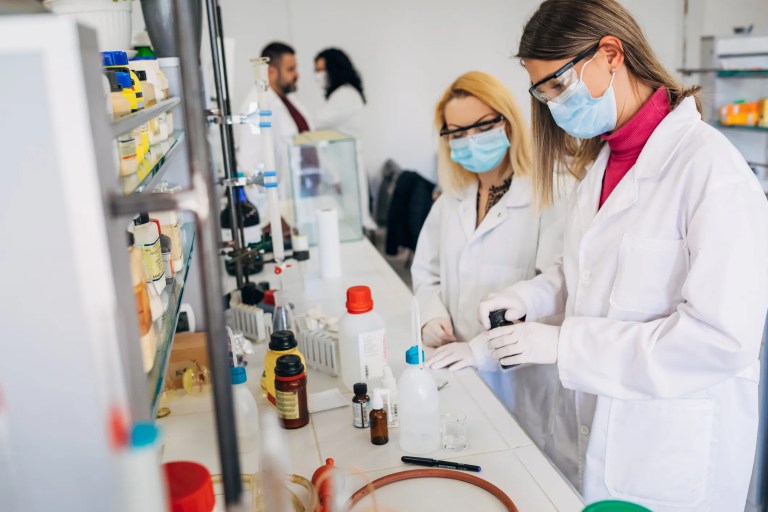
For forensic laboratories, maintaining compliance is not just about passing an assessment; it is about assuring the integrity, reliability, and defensibility of results. Yet, even…
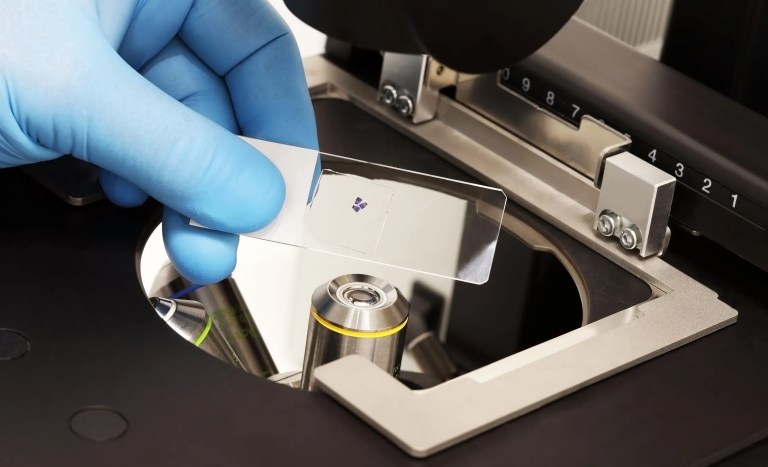
Scientific laboratories need high-precision microscope slides and cover glasses for a wide range of uses, ranging from simple optical microscopy to more advanced cytology and…
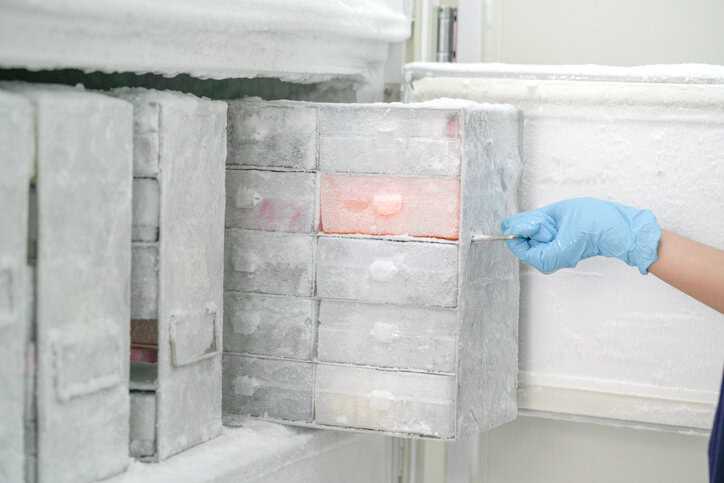
Ultra-low freezers are an essential piece of lab equipment—and for good reason. They play a critical role in preserving and storing biological samples at temperatures…
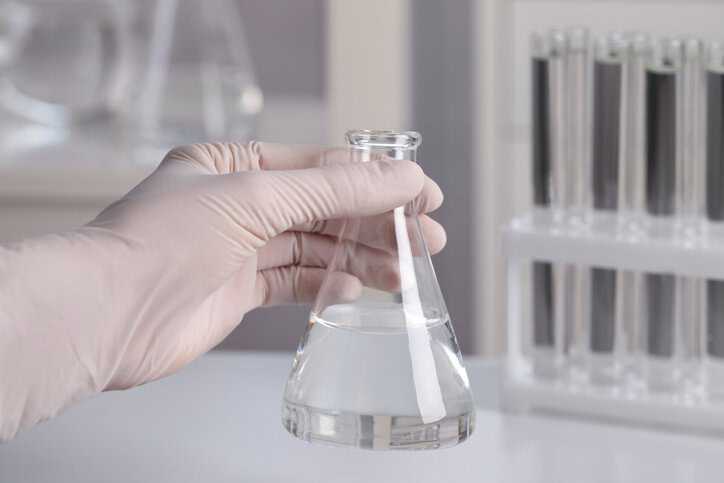
Since the primary goal of every laboratory is to produce accurate and reliable results, assuring the quality of reagent water (i.e., highly purified water) is…
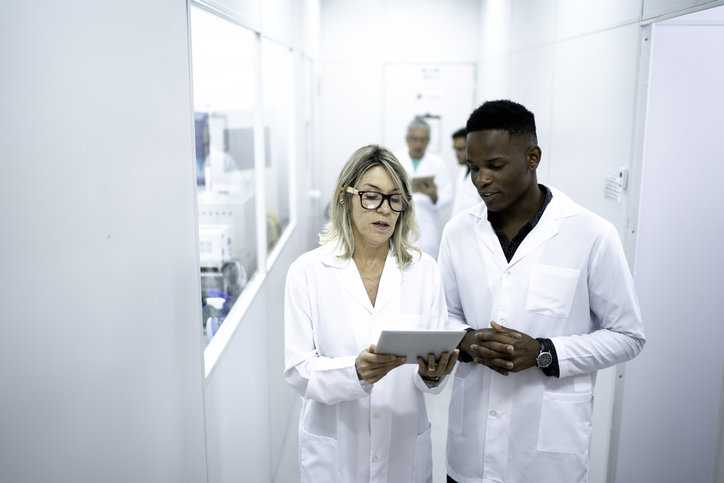
The foundation of any laboratory’s reputation is built on confidence in the laboratory’s ability to provide correct and reliable data. Data integrity is critical to…

While sunlight is an essential source of life and energy, it also creates major health challenges like sunburn, pigmentation, wrinkles, dermatitis, skin cancer, and aging….