ASTM F1976-24: Testing Athletic Shoe Cushioning
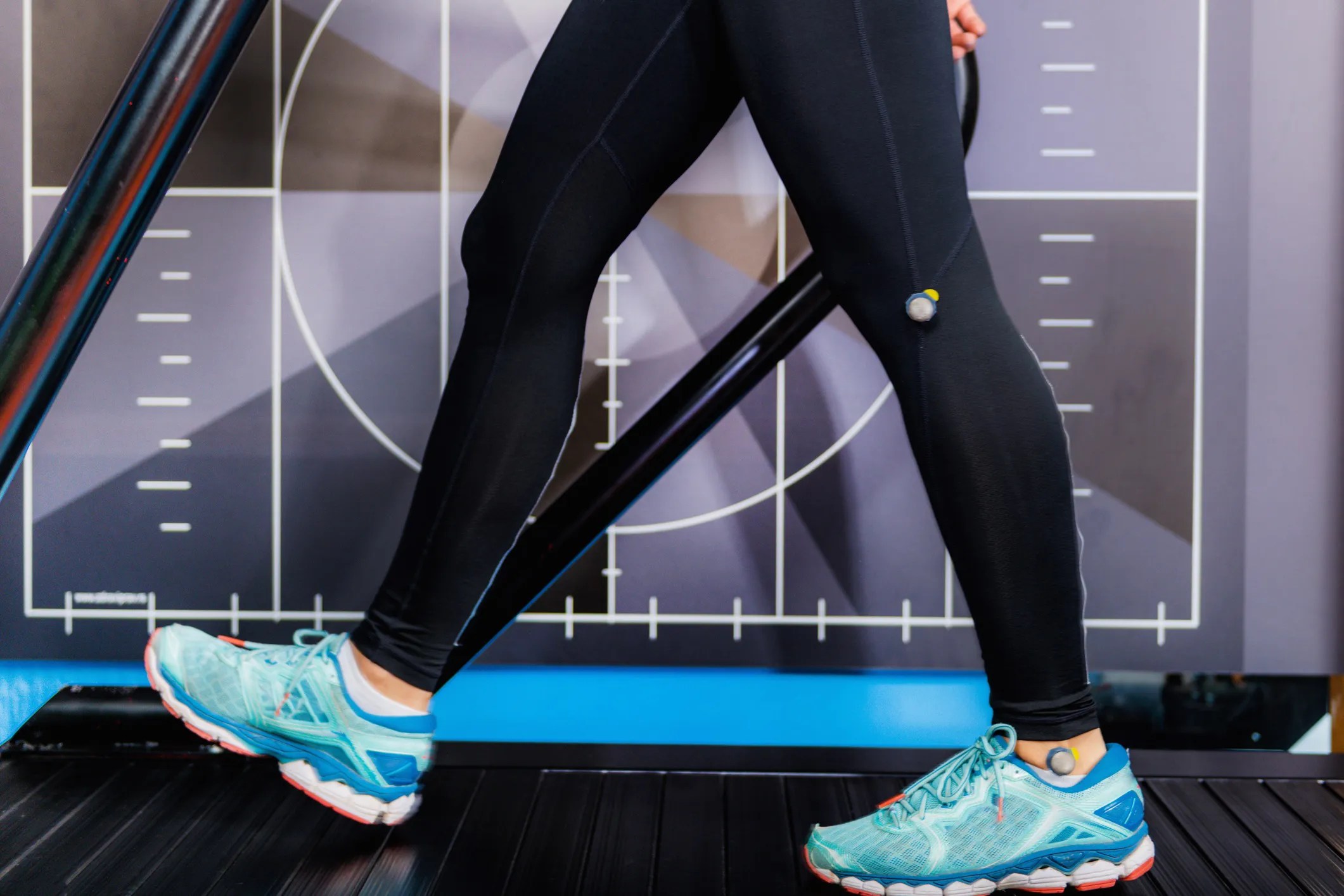
Every stride in a run sends a rapid load through the shoe and into the body. A runner’s heel or forefoot meets the ground, the shoe compresses under the load, and the cushioning system responds in milliseconds. How a shoe manages that impact depends on its materials, construction, thickness, and other characteristics of its cushioning system. ASTM F1976-24, Standard Test Method for Impact Attenuation of Athletic Shoe Cushioning Systems and Materials provides a laboratory method for measuring certain impact attenuation characteristics of cushioning systems and materials used in athletic shoes.
What Is Impact Attenuation in Athletic Footwear?
Impact attenuation describes how a cushioning system responds when it is subjected to an impact. In an athletic shoe, the cushioning system can include much more than the midsole foam. ASTM F1976-24 considers the layers between the wearer’s foot and the ground that are normally part of the shoe. These can include:
- The outsole or other abrasion-resistant outer layer
- The midsole and other compliant cushioning materials or structures
- The insole or insole board
- Parts of the upper or heel counter reinforcement extending beneath the foot
- The sockliner, insock, or other cushioning layers
Together, these components contribute to the shoe’s response when the heel or forefoot strikes the ground.
What Is ASTM F1976-24?
ASTM F1976-24 is a standard test method for evaluating certain impact attenuation characteristics of athletic shoe cushioning systems, components, and materials. The method measures responses, such as force-time profiles and force versus displacement to help characterize how cushioning systems respond to impact.
ASTM F1976-24 uses a gravity-driven impact test in which an 8.5 kg mass is dropped from a height of 30 to 70 mm. The resulting impact generates force-time profiles intended to be comparable to those associated with heel and forefoot impacts during activities, such as walking, running, and jump landings. By applying a controlled and repeatable impact, the method provides laboratories with a consistent way to evaluate the response of athletic shoe cushioning systems and materials.
Research on Athletic Shoe Cushioning Performance
Research demonstrates why controlled impact testing is important when evaluating athletic footwear cushioning. A 2017 study, “The Effect of Cushioning System on Impact Attenuation of Athletic Footwear,” published in MATEC Web of Conferences, compared foam-, gel-, and air-based cushioning systems under different impact speeds and body-mass conditions. The researchers found that cushioning performance varied by material and loading conditions, with body mass notably affecting the impact forces measured for gel- and air-based systems. Air cushioning also produced approximately 8% less impact force at the higher test speed than at the lower speed across the body-mass range studied.
These findings show that cushioning performance can change with both the material and conditions of impact. ASTM F1976-24 provides a standardized, repeatable method for evaluating these impact attenuation characteristics, helping laboratories consistently characterize the response of athletic shoe cushioning systems and materials.
Where to Find ASTM F1976-24
ASTM F1976-24, Standard Test Method for Impact Attenuation of Athletic Shoe Cushioning Systems and Materials is available on the ANSI Webstore, the best place to buy ASTM standards.