What Halloween Can Teach Us About Visibility
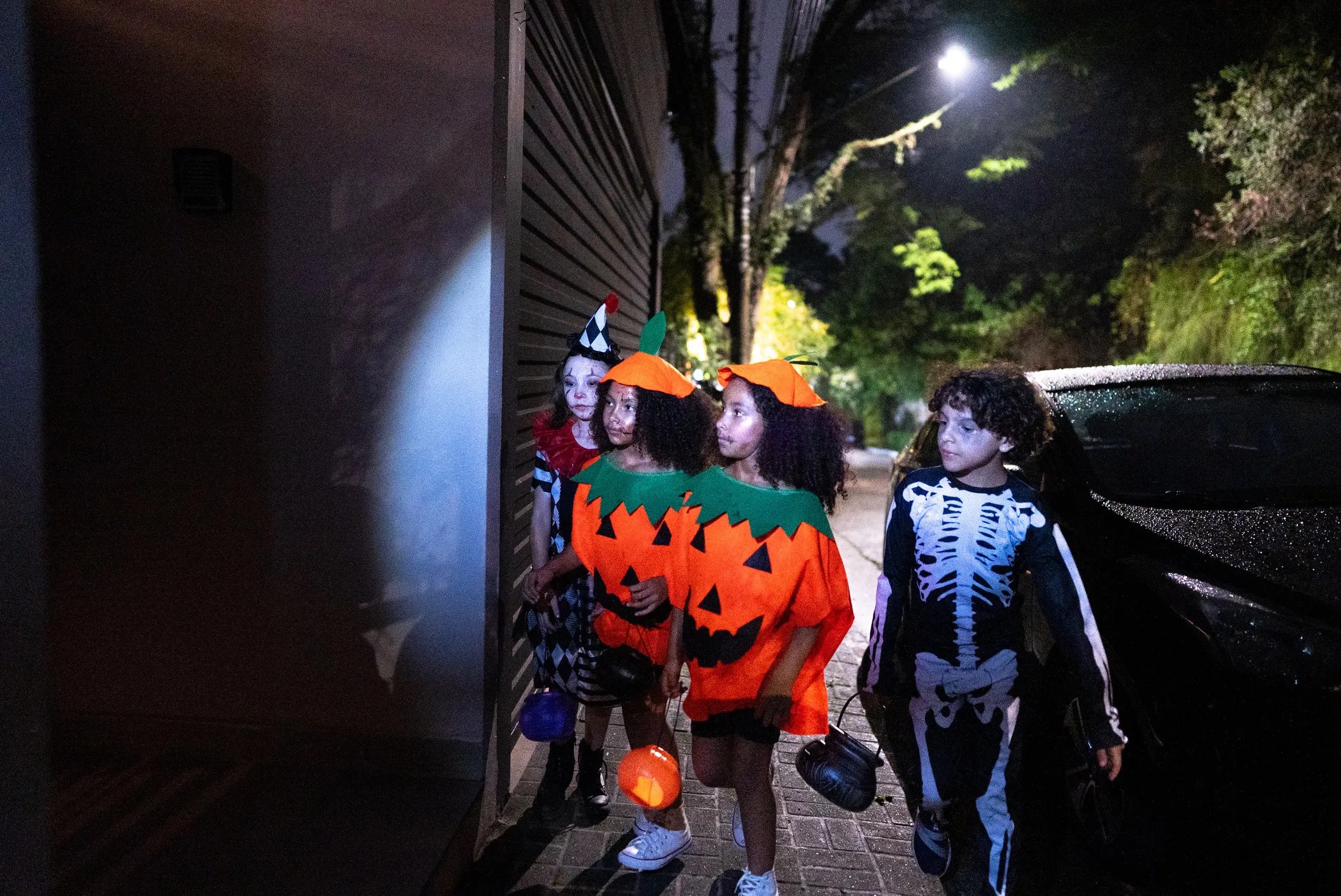
As the sun sets, porch lights flicker on and neighborhoods fill with witches, superheroes, ghosts, and skeletons. For trick-or-treaters, Halloween means candy and costumes, but for drivers, it also means watching carefully for pedestrians after dark. Visibility is especially important when children are walking near roadways. A CDC analysis of U.S. data from 1975–1996 found that childhood pedestrian deaths were four times higher on Halloween evenings than during the same hours on other evenings. The study identified nighttime conditions, dark costumes, and children crossing streets away from intersections among the factors contributing to the increased risk. That makes Halloween a fitting time to look at ANSI/ISEA 107-2020, American National Standard for High-Visibility Safety Apparel: a standard for high-visibility safety apparel.
What ANSI/ISEA 107-2020 Can Teach Us About Halloween Safety
The purpose of ANSI/ISEA 107-2020 is to establish performance requirements for high-visibility safety apparel used in hazardous work environments. It addresses color, retroreflection, minimum areas of background and retroreflective materials, and the configuration of those materials. The American National Standard explains that conspicuity (i.e., how easily an object attracts an observer’s attention) is enhanced by contrast between clothing and the environment behind it.
The same basic idea that helps a worker stand out around moving vehicles can help us understand the importance of visibility for pedestrians walking near traffic at night. Instead of a worker in a reflective vest walking beside a roadway, imagine a seven-year-old dressed as a skeleton crossing the street with a bucket full of candy.
Halloween Costume Safety for Visibility
Making trick-or-treaters more visible after dark involves more than adding reflective materials; costumes should also allow children to see their surroundings and move safely.
How Retroreflective Materials Improve Halloween Visibility
Fluorescent and retroreflective materials work in different ways. ANSI/ISEA 107-2020 describes fluorescent materials as those intended to enhance visibility during daylight and low-light conditions such as dawn and dusk. In contrast, retroreflective materials are designed to return light toward its source, making them particularly useful when a pedestrian is illuminated by vehicle headlights at night.
Consider a car approaching a trick-or-treater after dark. As the headlights illuminate the pedestrian, retroreflective material can reflect that light back toward the driver, helping the person stand out against the surrounding darkness. So, a reflective strip on a backpack, a skeleton costume with reflective bones, or a superhero costumer with a reflective trim can play a practical role in making a trick-or-treater more noticeable at night.
Choosing Halloween Costumes for Better Visibility
Visibility is only about color and reflective materials; peripheral vision also plays an important role. The CDC’s Halloween pedestrian-safety analysis notes that “children normally disregard peripheral vision, have reduced attentiveness, localize sounds poorly, and lack sufficient impulse control.”
Assuring Halloween costumes can enable children to see and move can help improve their peripheral vision. For example, a giant hood can restrict peripheral vision, a mask can make it harder to see approaching vehicles, a long cape or oversized costume can interfere with walking, and props can obstruct a child’s view or make it harder to navigate sidewalks and crossings. A safe Halloween costume for children may be the one that lets its wearer see, move, and be seen.
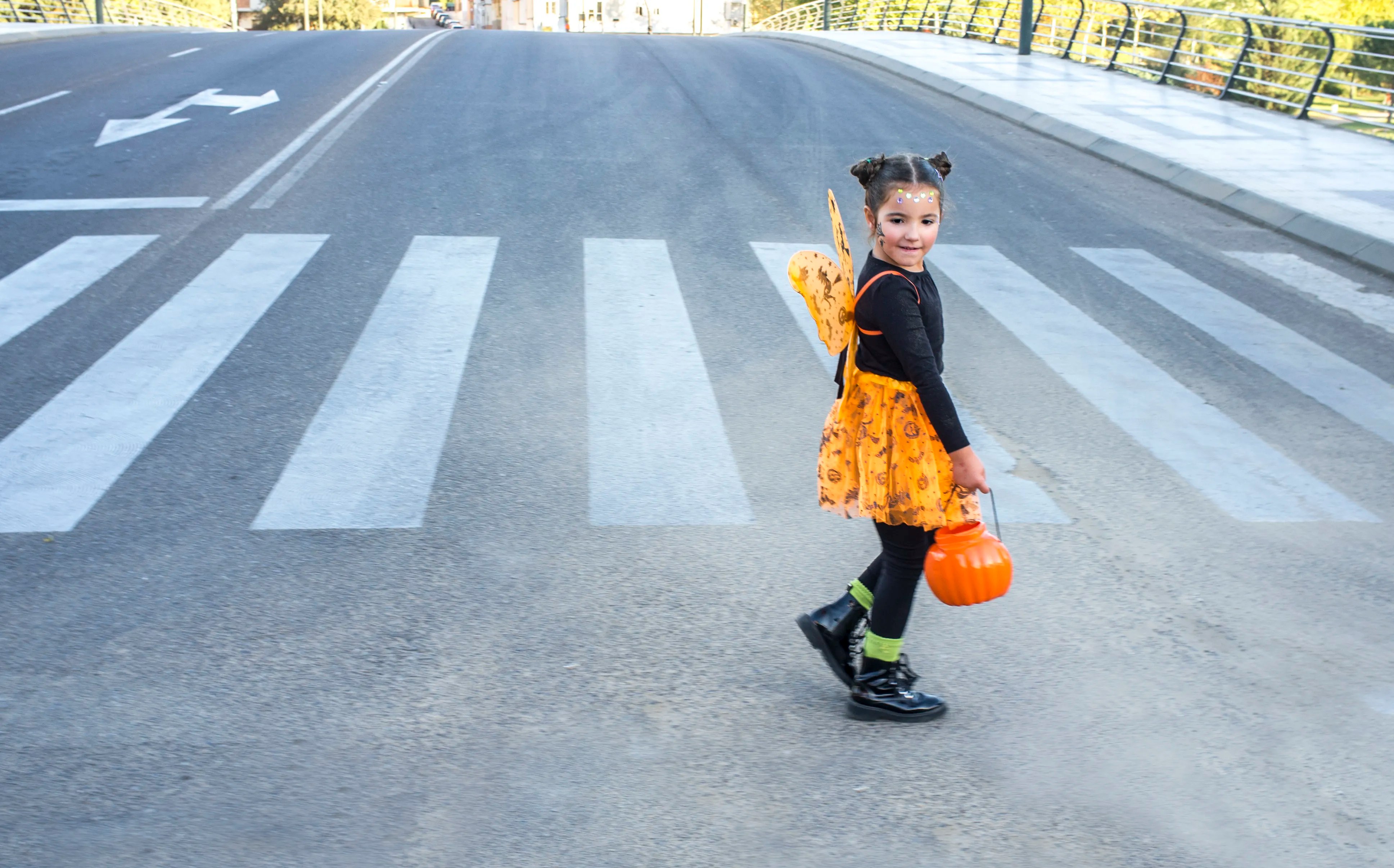
A Few Ways to Make a Trick-or-Treater Stand Out
Parents and caregivers can apply some simple visibility-conscious ideas when planning Halloween costumes:
- Add reflective details to costumes, shoes, backpacks, or outer layers.
- Use a flashlight when walking after dark.
- Consider bright colors that contrast with the night-time surroundings.
- Keep masks and headwear from blocking vision.
- Make sure costumes do not drag or create a tripping hazard.
- Use sidewalks whenever possible.
- Cross at intersections and designated crossings rather than darting between parked cars.
- Accompany younger children and keep an eye on children as they approach and cross streets.
- Remind drivers to slow down and watch carefully for pedestrians in residential neighborhoods.
Integrating these visibility-conscious ideas can help make Halloween costumes safer and help trick-or-treaters see, move, and be seen as they enjoy the festivities after dark.
Where to Find ANSI/ISEA 107-2020
ANSI/ISEA 107-2020, American National Standard for High-Visibility Safety Apparel is available on the ANSI Webstore.
ANSI/ISEA 107-2020 was developed by the International Safety Equipment Association (ISEA).
Please direct any technical questions relating to this American National Standard to the developer. You can find the contact information for all ANSI-accredited standards developers here: List of ANSI-Accredited Standards Developers (ASDs).
For further information, please refer to: Who to Contact for Standards Related Questions.
Learn More about Standards that Assure Halloween Safety
- How ASTM F963-23 Assures Safety in Toys in Horror Movies
- The Dangers of Halloween Costume Flammability
- How Is Your Favorite Halloween Candy Made?
- Spooky Halloween Traditions & What Standards Say About Them
- ISO 8442-2:1997—Cutlery And Table Holloware
- ASTM D1230-22: Flammability of Consumer Fabrics Standard Test Methods
- ASTM F3168-23: Hayride Attractions