AVIXA RP-C303.01:2018, Networked Audio-Visual Systems
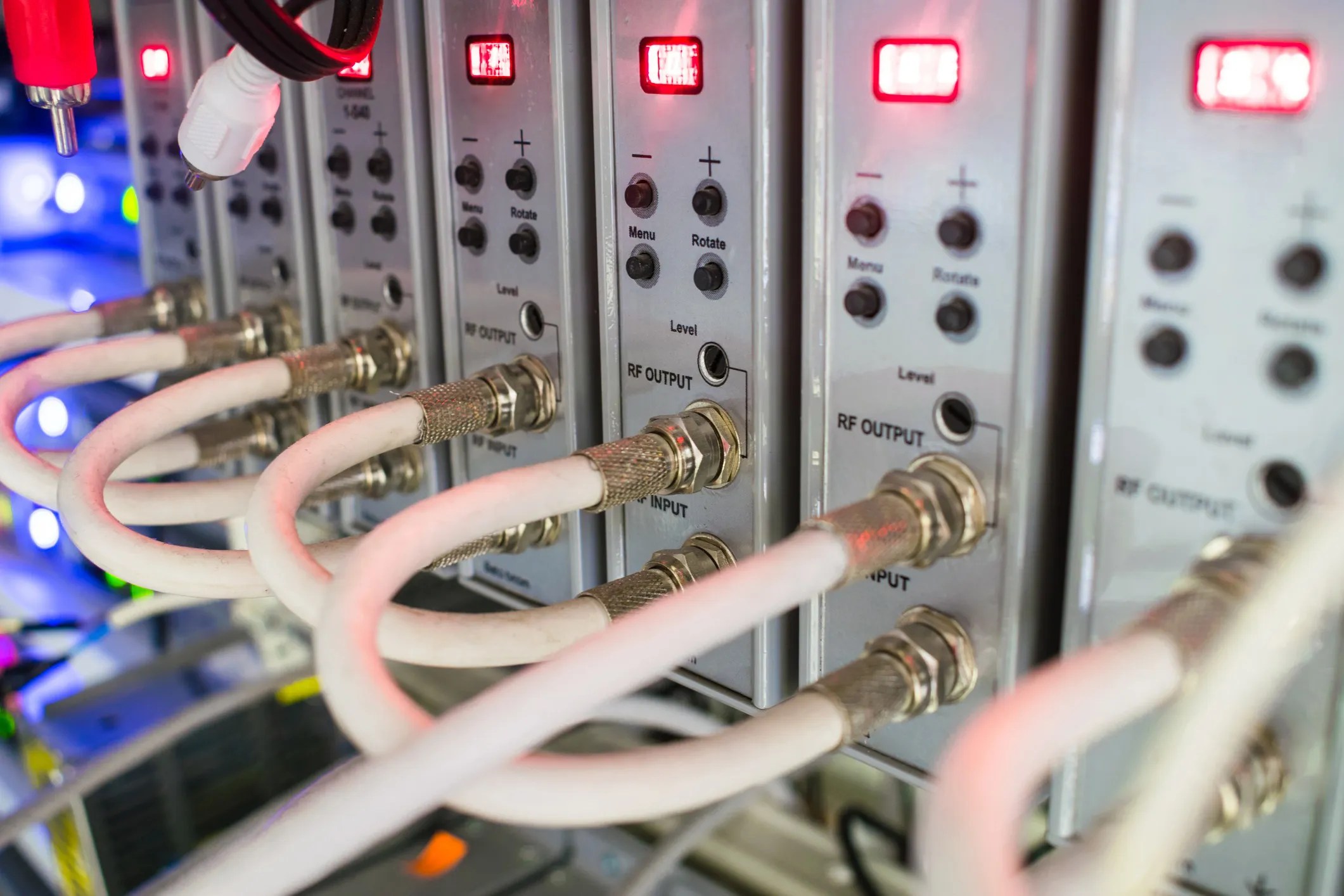
Before an important meeting begins, displays are powered on, cameras are connected, microphones are ready, and presentation systems are communicating across the organization’s network. Behind this seamless connectivity, however, networked audiovisual (AV) equipment may introduce cybersecurity risks that organizations must address. AVA RP-C303.01:2018, Recommended Practices for Security in Networked Audiovisual Systems provides a framework for establishing a baseline for AV security management.
What Is An Audio-Visual (AV) System?
An AV (audio-visual) system is a combination of electronic devices that work together to capture, process, transmit, and display sound and video. The most common types of AV systems include motion pictures, live radio, and television programs, recordings, and presentations. These setups range from a simple classroom TV and speaker to fully integrated corporate boardrooms and live concert stages.
Cybersecurity Risks of Audio Visual (AV) Systems
Networked audiovisual (AV) systems are increasingly integrated with enterprise networks, creating greater opportunities for efficiency, connectivity, and remote management while also introducing cybersecurity risks. Vulnerabilities can arise from unpatched software, weak access controls, insecure configurations, and other security gaps.
Addressing these risks makes securing networked AV systems an important priority.
What Is AVIXA RP-C303.01:2018?
AVIXA RP-C303.01:2018 provides guidance and current best practices for securing networked AV systems of all sizes. Organizations—regardless of their size or experience—that take the steps outlined in this recommended practice can form a baseline for establishing a robust AV security management program.
Best Practices for AV Security Management Program
AVIXA RP-C303.01:2018 describes the following best practices:
- Identifying vulnerabilities and potential threats created by the network integration of AV systems
- Assessing risk (identify, analyze, and evaluate)
- Developing a plan to mitigate and respond to identified (and unidentified) risks
- Deploying controls to continuously address and manage security risks in AV systems
The best practices set forth in AVIXA RP-C303.01:2018 should be used as a complement to an existing overall risk management program within an organization. Additionally, the document notes that to the fullest extent possible, AV staff, integrators, consultants, and manufacturers should be involved in developing risk management plans because of the AV-specific knowledge they bring to the process.
Why Audiovisual (AV) Systems Can Be an Overlooked Cybersecurity Risk
Audiovisual (AV) systems can be an overlooked cybersecurity risk because they are sometimes managed separately from core IT infrastructure and may rely on outdated software or firmware. As AV equipment becomes more connected and supports remote access, vulnerabilities can expand an organization’s attack surface. Cameras, microphones, and other devices may also expose sensitive audio or video information if compromised.
Implementing a proactive, layered approach that includes keeping devices updated, strengthening passwords and access controls, securing communications, and improving collaboration between AV professionals, IT teams, and technology vendors is essential for reducing vulnerabilities and strengthening the security of networked AV systems.
AVIXA RP-C303.01:2018 provides guidance and recommended practices to help organizations establish a baseline for managing these security risks and protecting networked AV systems.
Where to Find AVIXA RP-C303.01:2018
AVA RP-C303.01:2018, Recommended Practices for Security in Networked Audiovisual Systems is available on the ANSI Webstore, the best place to buy AVIXA standards.