ANSI/ASSP A10 Standards for Construction Safety
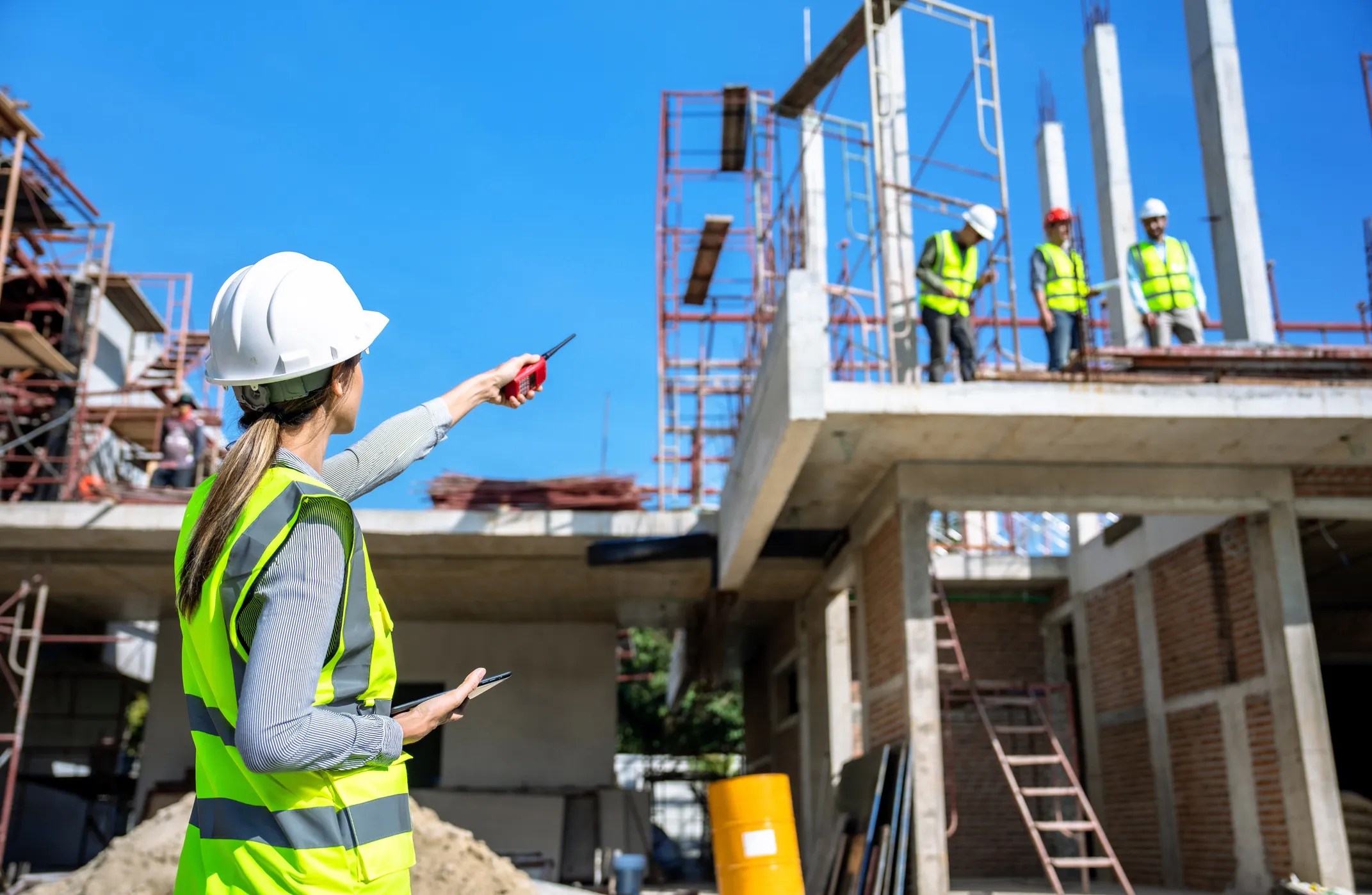
At sunrise, a construction site comes to life. Steel beams rise, scaffolds stretch skyward, and crews prepare to shape the built environment. Behind every hard hat is a human story: a parent, a partner, and a friend. Construction remains one of the most dangerous industries, and the difference between a routine day and a tragedy often comes down to preparation, systems, and standards. This is where the ANSI/ASSP A10 standards step in—not just as technical documents, but as lifelines woven into everyday work.
The Reality of Construction Jobsite Risks
Construction sites present some of the most serious workplace hazards, with the “Fatal Four”—falls, struck-by incidents, caught-in/between hazards, and electrocution—remaining the leading causes of injuries and fatalities. According to the Occupational Safety and Health Administration (OSHA), these incidents account for the majority of construction-related deaths; yet, they are largely preventable with proper planning and safeguards.
When working at height, safety must be built into every phase of a project—from pre-job planning to task execution. Employers should define how work will be performed, identify associated risks, and assure the right protective systems are in place. A secure guardrail can mean the difference between life and loss; a properly installed trench shield can prevent a collapse that takes seconds but changes lives forever; and a well-trained crew transforms uncertainty into confidence, reducing panic while increasing productivity and pride.
This is why adherence to ANSI/ASSP A10 standards is critical. These standards provide safety requirements to help address these hazards at construction sites.
What Is the ANSI/ASSP A10 Standards Series?
Developed by the A10 Accredited Standards Committee, the ANSI/ASSP A10 series consists of safety standards for construction and demolition operations that are designed to prevent injuries, illnesses, and fatalities on jobsites. The standards in the A10 series serve as a guide to contractors, labor, and equipment manufacturers. Standards in the ANSI/ASSP A10 series include, for example:
- ANSI/ASSP A10.1: Pre-Project Safety Planning
- ANSI/ASSP A10.7: Commercial Explosives/Blasting Agents.
- ANSI/ASSP A10.8: Scaffolding
- ANSI/ASSP A10.33 & ANSI/ASSP A10.34: Multi-Employer Worksite Safety and Public Protection
- ANSI/ASSP A10.48: Telecommunications Structures
In sum, the ANSI/ASSP A10 are a set of American National Standards designed to assure safety in construction and demolition operations, aiming to reduce worker injuries, illnesses, and fatalities.
Benefits of Implementing Safety Standards in the Construction Sector
Studies across the construction sector show that companies with structured, proactive safety standards experience significant operational, financial, and safety-related benefits. Furthermore, these key benefits include lower long-term insurance and medical costs, regulatory compliance avoiding penalties/shutdowns, improved productivity, higher worker morale, and enhanced reputation.
Where to Find ANSI/ASSP A10.4-2025
In high-risk industries like construction and demolition, safety is not optional; it is foundational. The ANSI/ASSP A10 standards series provides a comprehensive framework designed to protect workers, reduce incidents, and promote consistent safety practices across job sites.
You can find the ANSI/ASSP A10 standards on the ANSI/ASSP. A10 Construction Package on the ANSI Webstore.
The ANSI/ASSP A10 standards series was developed by the American Society of Safety Professionals (ASSP).