Why Do We Have Fingerprints?
It’s impossible to leave no trace. When you leave a room, on the microscopic or forensic level, you always leave some piece of you behind…

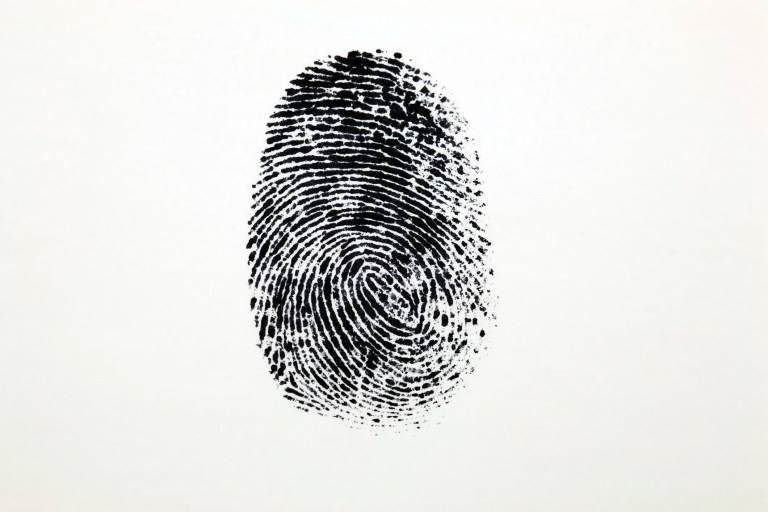
It’s impossible to leave no trace. When you leave a room, on the microscopic or forensic level, you always leave some piece of you behind…
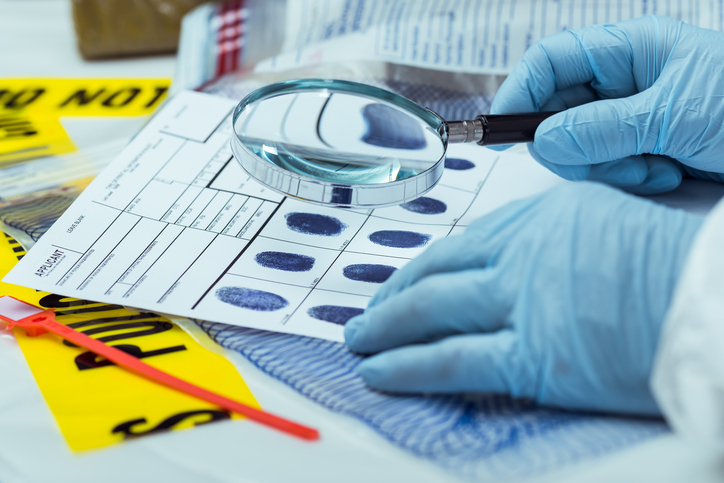
Found on all human fingertips as a means to grip rough surfaces, particularly the branches of a tree, fingerprints have remained crucial throughout the transition…
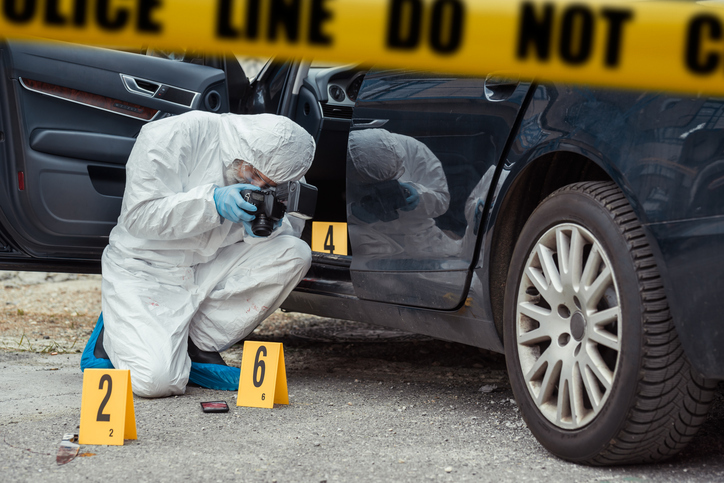
In criminal or civil litigation, evidence—whether being adduced to establish, objectively establishing, or being relational to fact—is key for demonstrating veracity. This makes the spoliation of…
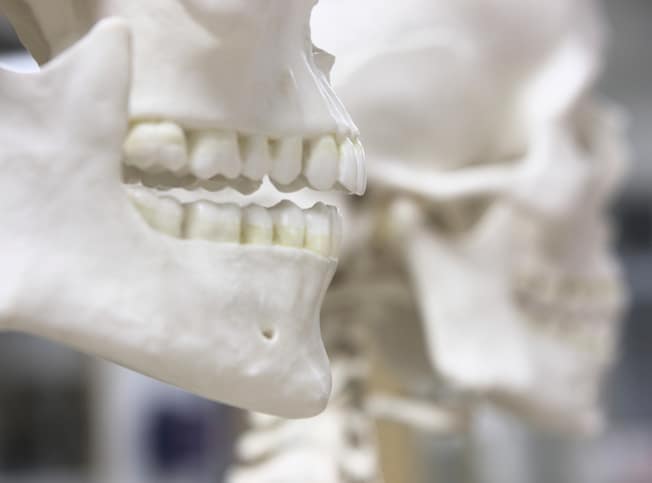
Teeth vary by individual, and unique features, such as fillings, dentures, and tooth eruptions, can help to identify someone postmortem. This is possible by comparing…
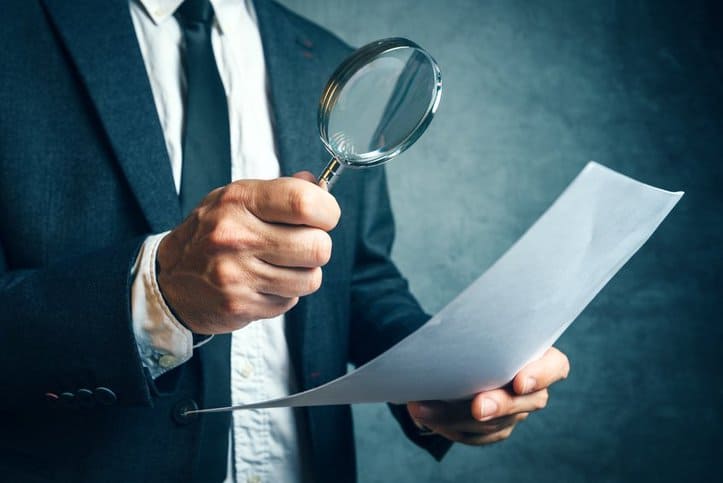
Forensic analysis of a document can provide a great deal of knowledge on the individual who is responsible for writing that document. Forensic document analysis…
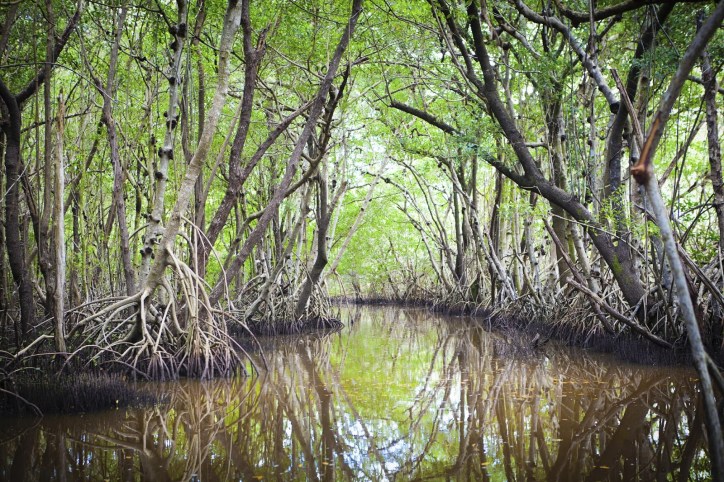
In a past post, we discussed forensic fiber analysis, a process by which investigators collect fibers as evidence to determine an individual’s involvement at a…
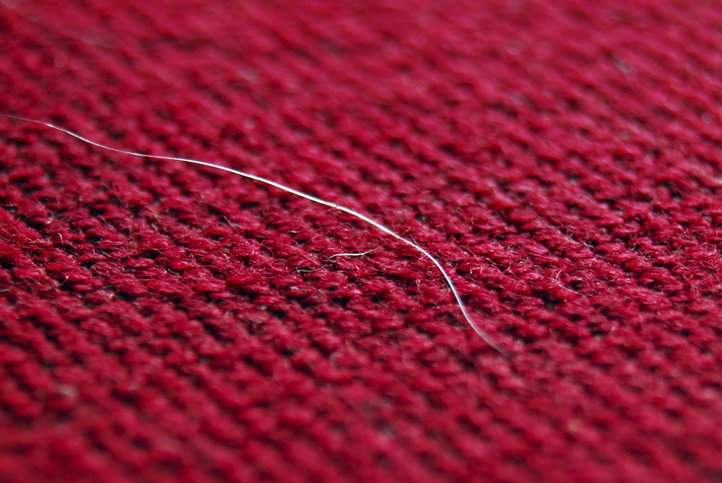
The physical world is completely different at the microscopic level, as minuscule objects that appear virtually nonexistent to the naked eye become visible. An understanding…
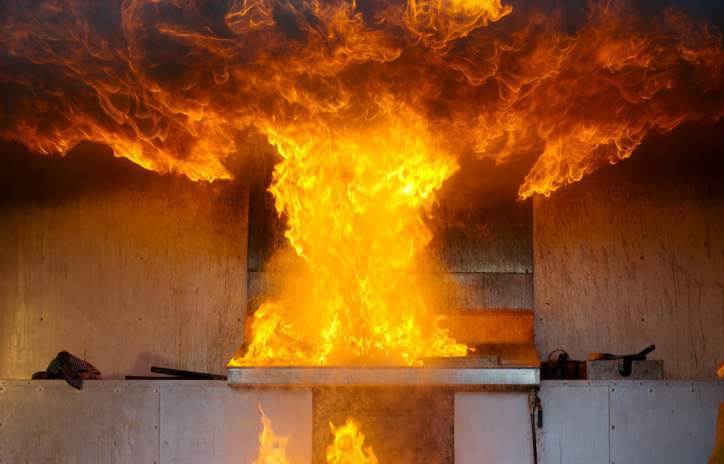
Fire always points to the occurrence of a contingent event, as do its many reaction products. The word smoke is a common example of a…
The U.S. Fish & Wildlife Service operates a forensics lab for crime investigation to support wildlife law enforcement agents at the state, federal and international level….