Why Cognitive Bias Matters in Forensic Decision Making
Decisions made by forensic professionals can influence investigations, legal proceedings, and how evidence is understood in court. Because of these high stakes, forensic decision making…

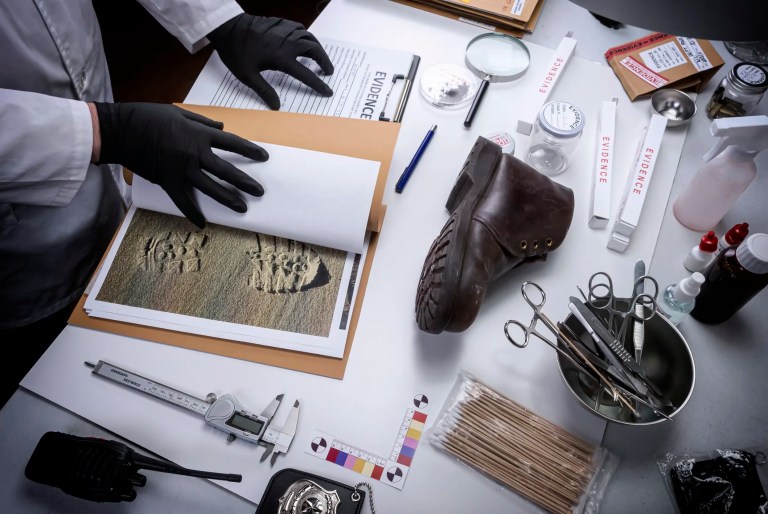
Decisions made by forensic professionals can influence investigations, legal proceedings, and how evidence is understood in court. Because of these high stakes, forensic decision making…

The DNA Identification Act of 1994 required the FBI laboratory to ensure that all DNA laboratories who receive federal grant funding or who participate in…
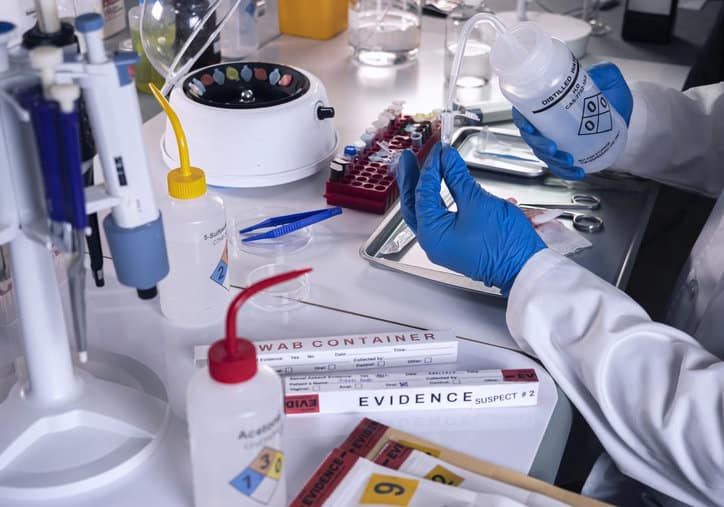
Rapid DNA or Rapid DNA analysis is a fully automated process of developing a DNA profile in 1-2 hours. This technology has the ability to…
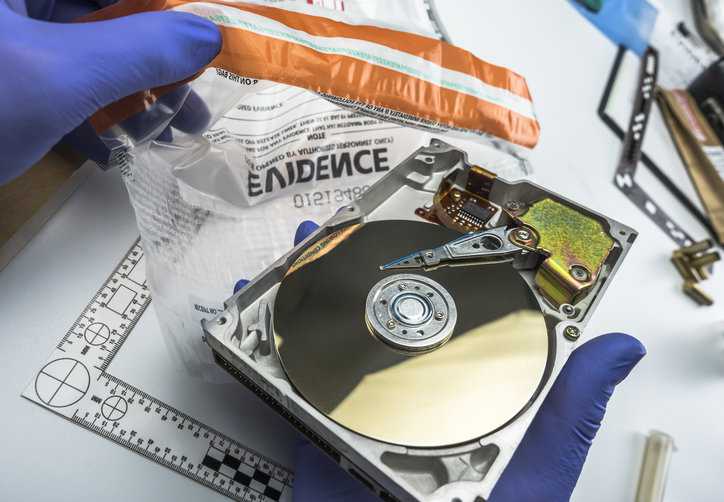
Property and evidence can be any form or any size. Evidence can range from liquid blood to the vapor residue of gasoline and fluctuate in…

Conformity assessments are performed by trained and competent assessors. The assessment team is led by the lead assessor. Lead assessors must have the necessary knowledge…

What is Sample Chain-of-Custody? During criminal investigations, laboratory testing often is necessary to attain data from evidence. Proper sample chain-of-custody procedures instill integrity and nurture…

To understand reaccreditation, one must first understand accreditation. What is Accreditation? Accreditation is an independent evaluation of conformity assessment bodies (CABs) against recognized standards to…

Uncertainty has plagued our everyday lives since early 2020. While many have had to change how we do our work—where we do our work, when…

An ANAB team of 32 forensic scientists from 24 organizations located in three different countries is conducting an assessment of the Department of Chemistry Malaysia….