AWS D17.1/D17.2: Aerospace Welding Standards Set
Extensive, high-quality welding applications are required in the manufacturing of helicopters, airplanes, unmanned drones, space vehicles, military jets, and guided missiles. Any defects in the…

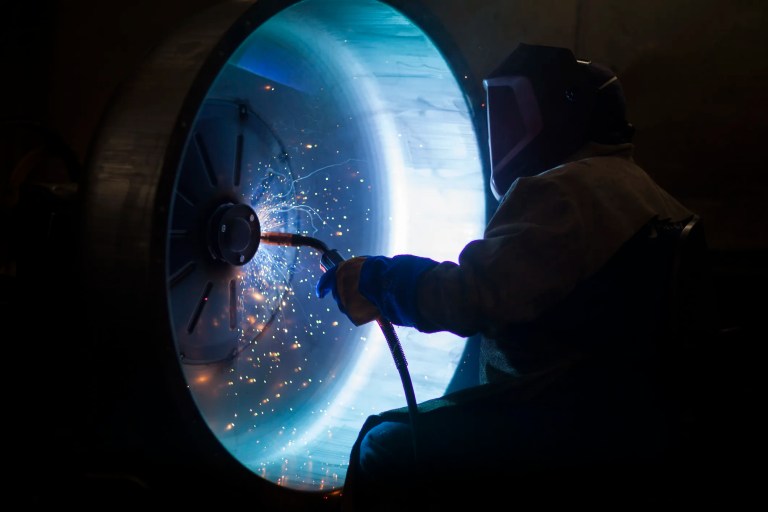
Extensive, high-quality welding applications are required in the manufacturing of helicopters, airplanes, unmanned drones, space vehicles, military jets, and guided missiles. Any defects in the…
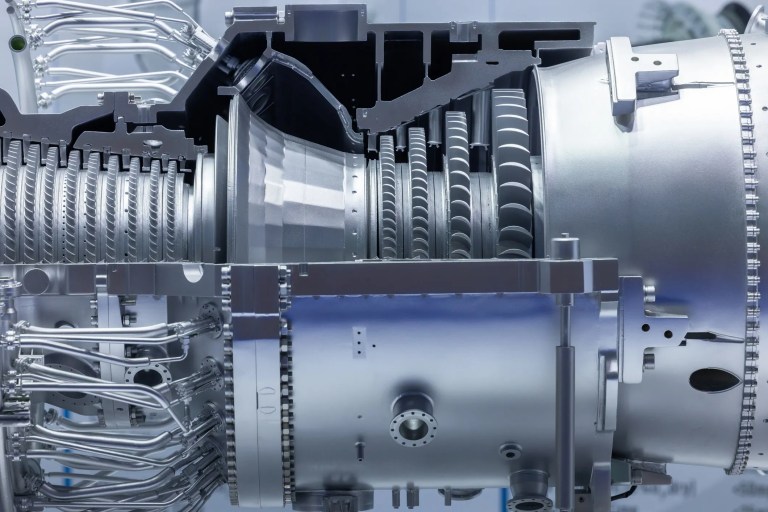
Additive manufacturing (AM) is frequently classified as a special process because the quality of its outputs cannot always be completely verified through inspection alone. In other words, internal…
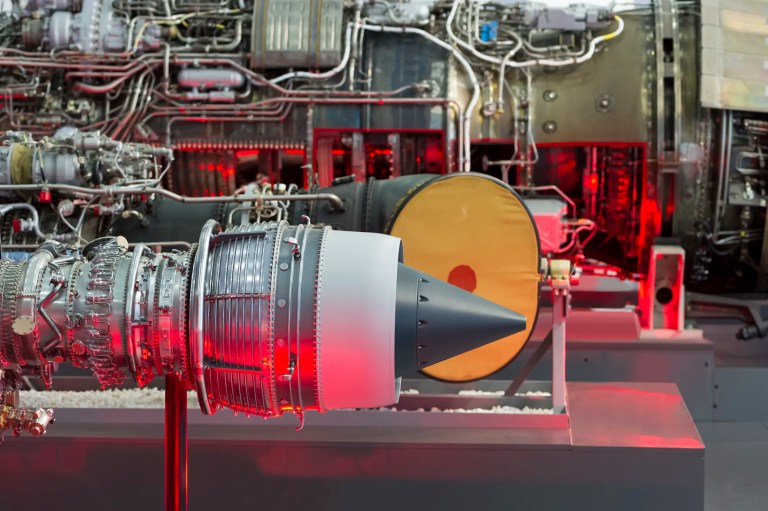
Aerospace engineers rely on testing to understand how engines and nozzle systems perform and to make sure their measurements are accurate. A nozzle plays an…

The aerospace, space, and defense (AS&D) industry depends on one of the world’s most complex global supply chains, with thousands of suppliers producing millions of…

Measurement is the lifeblood of any business operation—every decision, product, and process hinges on its precision. Each measuring instrument, from calipers to high-precision coordinate measuring…

The Soviet Union’s launch of Sputnik I in 1957 is credited with launching the U.S. space program. Now, more than 300 orbital launches are expected…

Uncertainties in wind tunnel testing stem from various factors, including turbulence, model geometry, laboratory conditions, and experimental setup. These uncertainties can lead to discrepancies in results…

Due to the unique challenges in designing aircraft and spacecraft, aerospace is a leading industry employing advanced manufacturing technologies. In fact, advanced manufacturing is critical to NASA…

Consisting of about 8.2% of the Earth’s crust, aluminum is the world’s most abundant metal. However, it is never found in nature as an elemental…