Protein Powder Regulations: What Does FDA Actually Control?
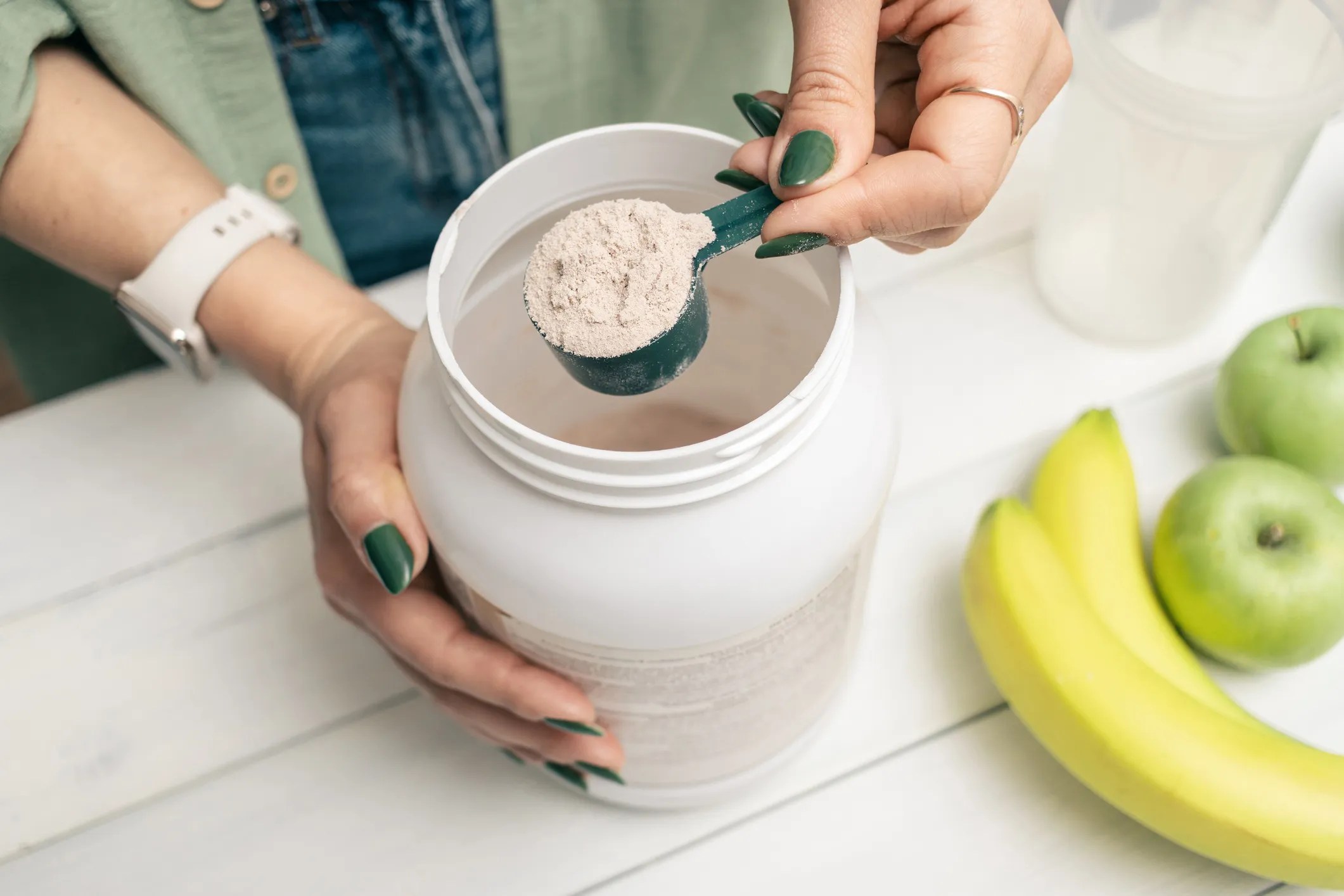
At 8 a.m., the blender hums, a scoop of protein powder disappears into a swirl of fruit and milk, and the day begins with the quiet confidence of doing something “healthy.” Two in five (46%) Americans said they regularly consume protein drinks and shakes; thus, these protein powder has become a seamless part of their weekly routines. While the benefits of protein powder are widely promoted, the regulatory framework behind these products is less often discussed. This blog post takes a closer look at how protein powders are regulated in the United States, including the role of the FDA, labeling requirements, and the standards that govern their safety and quality.
What Are Protein Powders?
Protein powder is a concentrated dietary supplement derived from dairy (whey, casein), eggs, or plants (soy, pea, rice, hemp) designed to increase daily protein intake. A dietary supplement is a product intended for ingestion that, among other requirements, contains a “dietary ingredient” intended to supplement the diet. The term “dietary ingredient” includes vitamins and minerals; herbs and other botanicals; amino acids; “dietary substances” that are part of the food supply, such as enzymes and live microbials (commonly referred to as “probiotics”); and concentrates, metabolites, constituents, extracts, or combinations of any dietary ingredient from the preceding categories.
Protein powder is primarily used for consumers to build muscle, aid workout recovery, and boost satiety for weight management.
Are Protein Powders Regulated in the United States?
In the United States, protein powders are typically regulated as dietary supplements, not as conventional foods or medicine. This classification stems from the Dietary Supplement Health and Education Act of 1994 (DSHEA), which fundamentally shapes how these products are overseen. Under DSHEA:
- Protein powders do not require pre-market approval by the U.S. Food and Drug Administration (FDA)
- Manufacturers are responsible for ensuring product safety before marketing
- The FDA primarily acts post-market, monitoring adverse events and enforcing compliance
This means that, unlike pharmaceuticals, protein powders can be sold without prior verification of safety or effectiveness, and unfortunately, many companies do not test for safety or efficacy before their products hit shelves.
Labeling Requirements and Transparency
Although pre-approval is not required, protein powders must comply with strict labeling regulations. These requirements are outlined in federal regulations such as 21 CFR § 101.36. Key labeling elements include:
- A “Supplement Facts” panel listing ingredients and serving size
- Disclosure of all dietary and “other” ingredients
- Manufacturer or distributor contact information
- Net quantity of contents
Additionally, products making structure/function claims (e.g., “supports muscle recovery”) must include the disclaimer: “This statement has not been evaluated by the FDA.” This framework prioritizes transparency, but it places the burden on consumers to interpret labels accurately.
Manufacturing Standards and Quality Control
Protein powder manufacturers must follow the FDA’s Current Good Manufacturing Practices (cGMPs), such as 21 CFR Part 111, which covers sanitation and hygiene; equipment and facility standards; and quality control procedures. Dietary supplement manufacturers, packagers, and distributors can adhere to NSF/ANSI 455-2 to verify compliance with FDA cGMPs (21 CFR Part 111) and meet retailer quality standards.
However, compliance to cGMPs varies across companies, and enforcement depends largely on FDA inspections rather than pre-market certification.
Regulatory Gaps and Concerns of U.S. Protein Powder Regulation
Despite existing regulations, several gaps continue to raise concerns among regulators and consumers:
Lack of Pre-Market Testing
Manufacturers are not required to submit safety data before selling protein powders; in fact,many dietary supplements can be marketed without even notifying the FDA. Only “new dietary ingredients” introduced after 1994 require FDA notification.
Contamination Risks
Studies have found that some protein powders may contain:
- Heavy metals (e.g., lead, arsenic, cadmium)
- Undeclared ingredients
- Allergen labeling errors
For example, a Consumer Reports (CR) analysis found elevated lead levels in many products, particularly plant-based powders, highlighting inconsistencies in quality control. CR tested a range of best-selling dairy, beef, and plant-based protein supplements, including protein powders and ready-to-drink protein shakes, and found that about 70% of the products tested contained over 120% of CR’s level of concern for lead, which is 0.5 micrograms per day.
Inconsistent Ingredient Accuracy
Because manufacturers self-regulate, some products may not contain the exact ingredient quantities listed on labels. This has led to increased reliance on third-party testing.
Limited Federal Limits on Contaminants
Unlike certain food categories, there are no specific federal limits for heavy metals in protein supplements, leaving a regulatory gap in consumer protection.
The Role of Third-Party Certification
To address regulatory limitations, many brands pursue voluntary third-party certifications, such as NSF Certified for Sport, USP Verified, and Informed Choice. These programs test for ingredient accuracy, contaminants, and banned substances (especially important for athletes).
While not required, these certifications can provide an additional layer of trust.

Key Aspects of NSF/ANSI 173 for Protein Powder
There are accredited organizations, like NSF International, that independently test supplements, including protein powders. NSF/ANSI 173-2024a is a standard that contains requirements for dietary supplements and dietary ingredients that was developed by NSF International to verify that products are free from contaminants, contain the declared ingredients, and are produced according to strict quality guidelines.
NSF/ANSI 173-2024a applies to protein powder safety by verifying that the product contains the ingredients listed on the label, is free from unsafe contaminants (like heavy metals and pesticides), and is produced in a GMP-compliant facility. It is the only American National Standard for dietary supplements, assuring quality, purity, and safety.
Adhering to NSF/ANSI 173-2024a boosts consumer trust, helps manufacturers meet regulatory requirements (GMP), and opens market opportunities—with many retailers now requiring NSF certification.
NSF/ANSI 173-2024a: Dietary Supplements is available on the ANSI Webstore.
Is Protein Powder Safe and Good for You?
Research shows that protein powder contains many contaminants. In 2025, the Clean Label Project released a report about toxins in protein powders. Researchers screened 134 products for 130 types of toxins and found that many protein powders contained heavy metals (lead, arsenic, cadmium, and mercury), bisphenol-A (BPA, which is used to make plastic), pesticides, or other contaminants with links to cancer and other health conditions.
Since protein powder is not strictly regulated by the FDA and thus can contain contaminants like heavy metals, ultimately, if you are a healthy adult, it is recommended to prioritize getting protein from whole foods: nuts, seeds, low-fat dairy products (yogurt, milk, cheese), legumes (beans, lentils), fish, poultry, eggs, and lean meat. “Generally, it is advised to opt for protein foods first, when possible,” but protein powder is often safe for healthy adults when used in moderation to supplement a balanced diet.
Learn More about Dietary Supplements and Food Safety
- NSF/ANSI 173:2024— Dietary Supplements
- Assuring Accurate Creatine Research with ISO 17034 & 17025
- What Is Required to Sell Dietary Supplements on Amazon?
- Dietary Supplements Standardization – How ANSI is Striving for Safety and Quality
- Differences between European and American Food Standards
- Health Risks of Ultra-Processed Foods & Food Safety
- Food Safety of Ice Cream Stabilizers and Emulsifiers
- ISO 22003-1:2022— Food Safety