Assuring Accurate Creatine Research with ISO 17034 & 17025
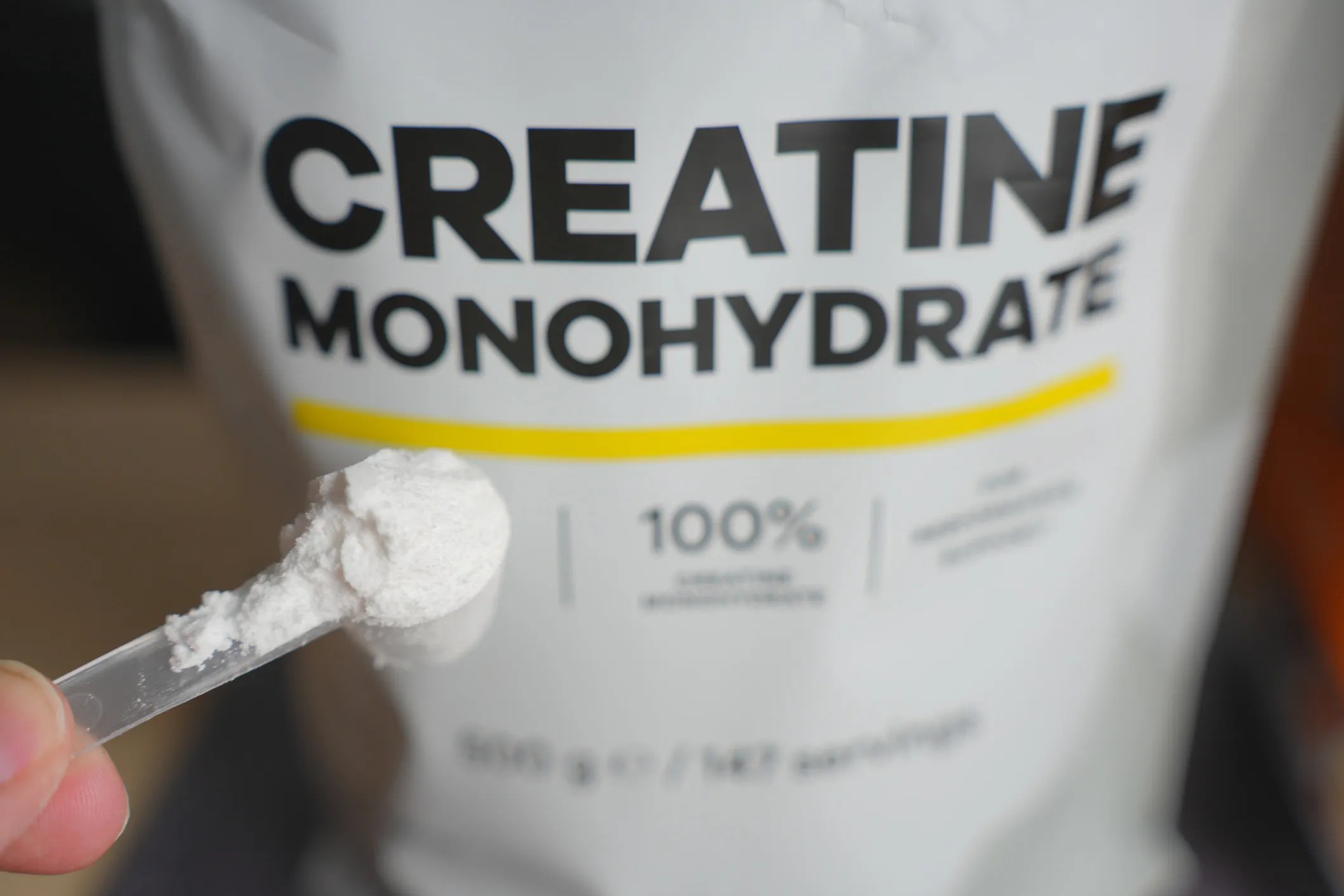
For health supplements like creatine, the accuracy and reliability of data are of utmost importance. Whether it is for fitness enthusiasts looking to boost performance or researchers studying the metabolic effects of creatine on the body, precise measurements are critical. ISO 17034:2016 and ISO/IEC 17025:2017 are vital in creatine research for assuring the accuracy, reliability, and traceability of analytical results, which promotes consumer trust in creatine supplements and research findings by guaranteeing certified reference materials (CRMs) and testing laboratories meet high-quality, competent standards.
What Is Creatine?
Creatine is a compound that comes from three amino acids: arginine, glycine, and methionine. It is found mostly in the body’s muscles and in the brain. Creatine helps create a steady supply of energy in the muscles, so they can keep working, especially while you are exercising.
We get about 1-2 grams a day, especially from protein-rich foods like seafood (fish and shellfish), red meat (pork, veal, and beef), and animal milk (cow, goat, and sheep milk). Most people get creatine in their daily diet—though at levels far below those found in synthetically made creatine supplement. As such, creatine supplementation is gaining popularity.
Why Take Creatine Supplements?
Muscles are usually 60-80% “full” of creatine at baseline, and supplementation can raise those stores by 20– 40%— helping support short-burst energy for high-intensity movement and potentially aiding recovery between bursts of anaerobic activity. When you take creatine, most of it ends up in the skeletal muscles, and the muscles will change it into phosphocreatine (or creatine phosphate) by adding phosphoric acid to it. Phosphocreatine then helps create adenosine triphosphate (ATP).
ATP is a source of energy that your cells use when you exercise. So, creatine helps maintain a continuous energy supply to the body’s muscles during intense lifting or exercise. Creatine is thus popular for athletes, especially those that partake in power sports like bodybuilding, football, and wrestling.
What Are the Health Benefits of Creatine?
Besides increased athletic performance, research shows that creatine supplementation can improve cognitive function as well as muscle health and aging.
- Improved Athletic Performance: Numerous studies have demonstrated that creatine supplementation can enhance physical performance, particularly in activities like weightlifting, sprinting, and high-intensity interval training (HIIT). The precision of creatine and creatinine measurements is crucial for understanding how creatine works in the body and its optimal dosing for various individuals.
- Cognitive Benefits: Recent research suggests that creatine may have neuroprotective effects and could help improve cognitive function, particularly under conditions of mental fatigue or sleep deprivation. For example, studies have shown that creatine supplementation can support brain energy metabolism and improve memory and mental clarity.
- Muscle Health and Aging: As we age, muscle mass naturally declines, which can lead to decreased strength and mobility. Creatine supplementation has been shown to help preserve muscle mass and strength in older adults, supporting healthy aging.
For consumers, it is paramount to know that the creatine supplements they purchase have been tested. The integrity of creatine supplements and the data supporting their efficacy is assured through the use of international standards like ISO 17034:2016 and ISO/IEC 17025:2017.

Certified Reference Material (CRM) for Creatinine
A Certified Reference Material (CRM) refers to a material with specific, certified property values that is used to assure the accuracy and traceability of analytical measurement. Creatine’s derivative, creatinine, is widely available as a CRM from organizations such as the National Institute of Standards and Technology (NIST). This is crucial for ensuring the accuracy and reliability of creatinine tests, which are a common diagnostic tool for assessing kidney function. Creatinine can be produced and certified as a CRM in accordance with ISO 17034 and ISO/IEC 17025.
What Are ISO 17034:2016 and ISO/IEC 17025:2017?
ISO 17034:2016 and ISO/IEC 17025:2017 are internationally recognized standards that help assure the quality and reliability of testing and calibration processes, including those related to health supplements like creatine. ISO 17034:2016 covers the production of reference materials, while and ISO/IEC 17025:2017covers the competence of testing laboratories that perform the analysis for certification.
ISO 17034:2016 — Competence of Reference Material Producers
ISO 17034:2016 focuses on the competence of reference material producers, assuring that the substances used in testing are accurate and reliable. Many Certified Reference Materials (CRMs), including creatinine Standard Reference Materials (SRMs), are produced in accordance with ISO 17034:2016—thereby guaranteeing their integrity when used for research and clinical studies.
You can learn more about ISO 17034:2016 in our blog post: What Is ISO 17034? and Reference Material (RM) vs Certified Reference Material (CRM).
ISO/IEC 17025:2017—Competence of Testing and Calibration Laboratories
ISO/IEC 17025:2017 specifies the general requirements for the competence of testing and calibration laboratories. This standard is applicable to creatinine testing, particularly for the calibration of reference materials and highly specialized testing methods.
Certifying bodies, such as the National Institute of Standards and Technology (NIST), operate under ISO/IEC 17025:2017, assuring the accuracy of the creatine SRMs they produce.
You can learn more about ISO/IEC 17025:2017 in our blog posts: Changes to ISO/IEC 17025:2017, Calibration Laboratories Standard and Ensuring the Validity of Results in ISO/IEC 17025:2017.
ISO 17034:2016 and ISO/IEC 17025:2017: Assuring Accurate Creatine Supplementation Research and Testing
ISO 17034:2016 and ISO/IEC 17025:2017 work together to assure accuracy in creatine supplementation research and testing by creating a “chain of confidence.” ISO 17034:2016 accredits the producers of certified reference materials (CRMs), while ISO/IEC 17025:2017 accredits the laboratories that use those materials for testing. Together, these two standards build a system of quality control that underpins accurate creatine research and testing.
Where to Find ISO 17034:2016 and ISO/IEC 17025:2017
ISO 17034:2016—General Requirements for the competence of reference material producers is available on the ANSI Webstore as well as in the following Standards Packages:
- ISO Guide 30 / Guide 31 / Guide 33 / ISO 17034 / Guide 35 Reference Materials Package
- ISO Guide 30 / ISO 33401 / ISO 33403 / ISO 17034 / ISO 33405 – Reference Materials Package
- ISO Guide 30 / ISO 33401 / ISO Guide 33 / ISO 17034 / ISO 33405 – Reference Materials Package
- ISO Guide 30 / ISO 33401 / ISO Guide 33 / ISO 17034 / ISO Guide 35 – Reference Materials Package
- ISO/IEC 17043 / ISO 17034 – Material Proficiency Testing Package
- Laboratories Package
ISO/IEC 17025:2017—General requirements for the competence of testing and calibration laboratories is available on the ANSI Webstore as well as in the following Standards Packages:
- ISO 10012 and ISO/IEC 17025 Laboratories Measurement Management System Requirements Package
- ISO 9000 Collection 2
- ISO Certification Body Package
- ISO/IEC 17025 / ISO 15189 – Competence of Testing and Calibration Laboratories Package
- ISO/IEC 17025 / ISO 9001 – Quality Management Requirements for Testing and Calibration Laboratories Set
- ISO/IEC 17025:2017 / ISO/IEC 17025:2005 – Competence of Laboratories Transition Set
- ISO/IEC 17043 / ISO/IEC 17025 / ISO/IEC 17000 Competence and Proficiency Testing Package
- Laboratories Package
- Laboratory Inspection and Testing
- Product Certification
- Product, Processes, and Services Package
- Toy Safety Certification Standard Package