
NSF/ANSI 49-2026: Biosafety Cabinets Design and Performance

Biosafety Cabinetry and NSF/ANSI 49
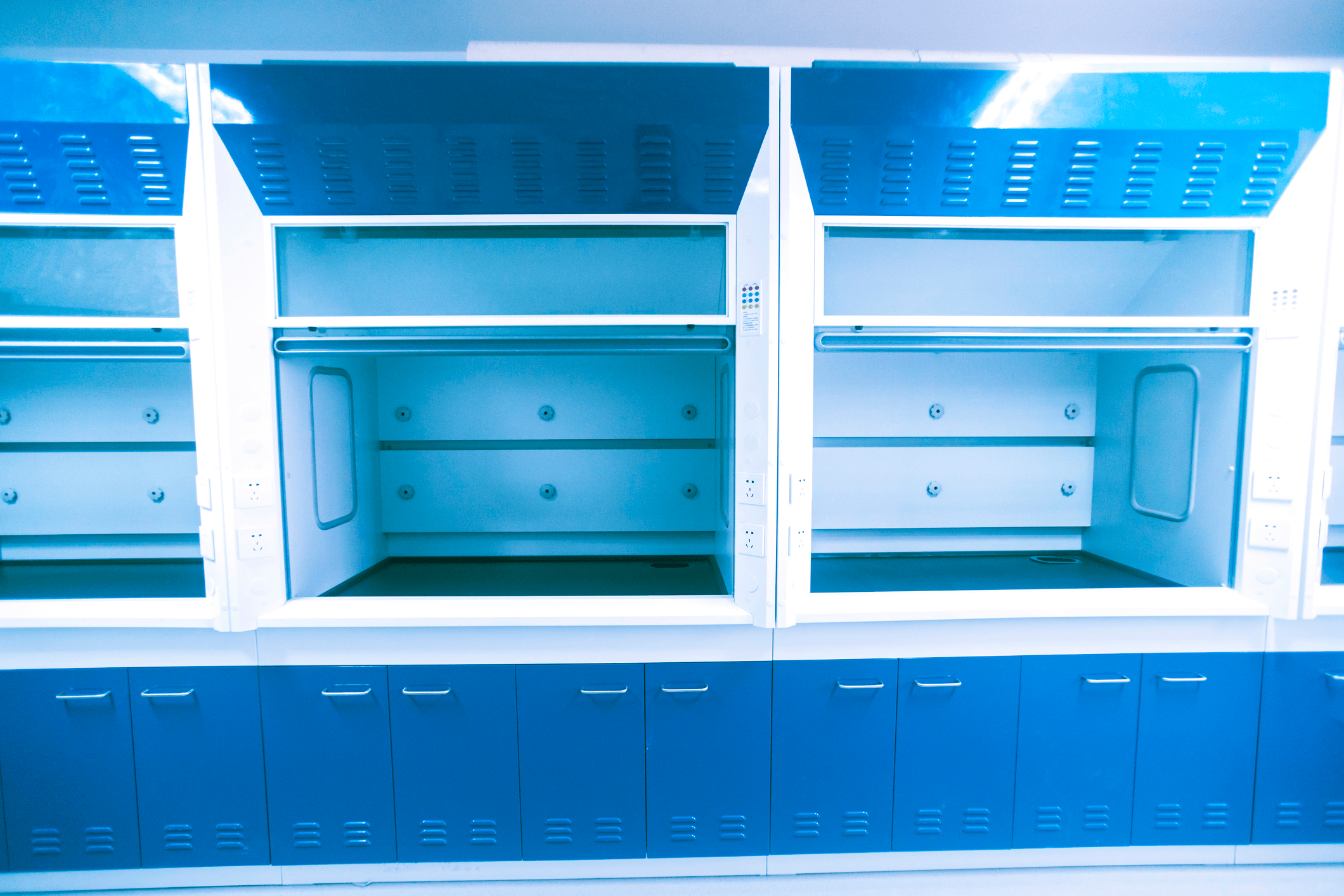
Biosafety cabinets (BSCs) come in three classes. The higher the class, the greater the protection afforded to personnel, products, and the surrounding environment from various hazards that can emerge while working with pathogenic agents. Biosafety cabinetry rated Class I provides personnel and environmental protection but no product protection. Class III biosafety cabinets are designed for work with highly infectious microbiological agents and similar hazardous operations, so they provide maximum protection for the environment and worker.
Class II biosafety cabinets are somewhere in-between; specifically, they contain partial barrier systems that rely on the movement of air to provide personnel, environmental, and product protection. These are covered in NSF/ANSI 49-2026, Biosafety Cabinetry – Design, Construction, Performance, And Field Certification.
NSF/ANSI 49-2026 BSC Tests and Requirements
NSF/ANSI 49-2026, an American National Standard, applies to Class II, or laminar flow, biosafety cabinets designed to minimize inherent hazards in work with agents assigned to biosafety levels 1, 2, 3, or 4. It outlines basic guidelines for their design, construction, and performance. BSCs designed and tested under NSF/ANSI 49-2026 guidance are assured reliable operation, durability and structural stability, cleanability, limitations on noise level, illumination, vibration, and motor/blower performance.
Changes to NSF/ANSI 49-2026
NSF/ANSI 49-2026 revises the 2024 edition of the same standard developed by the NSF Joint Committee on Biosafety Cabinetry, and it has undergone several changes that distinguish it from the previous version. These changes are outlined in the foreword of the document, including:
- Language was added regarding the canopy connection set up instructions in Sections 5.22.4, N-1.13.2, and N-5.7.3.2.2.1.
- Language was added and updated regarding the effective cleaning and disinfecting below the BSC work zone in Section I-1.7.8.
- Language was added and updated regarding the HEPA filter leak test in Sections 5.19, 6.3, N-1.2.3.2, N-5.5.3.2 and I-1.3.1.4.
- A normative reference was added for ANSI/ASSP Z9.14-2020 in Section 2.
- Language was added and updated regarding cabinet types in Sections N-5.3.3.2.2 and N-5.3.3.2.4.
- Language was updated regarding the alternate inflow measurement methods in Section N-5.3.3.2.
- Bacillus subtilis was updated to Bacillus atrophaeus throughout the standard.
- Language was updated regarding the Light Intensity Test in Sections N-1.4.3 and N-5.9.3 to match language used in Figure 13, “Light level test.”
- Language was updated regarding pressure testing in Sections N-1.1.1.2 and N-1.11.2.
- Language was added regarding the B1 and B2 exhaust alarm language in Section N-5.7.3.2.1.
NSF/ANSI 49-2026, Biosafety Cabinetry – Design, Construction, Performance, And Field Certification is available on the ANSI Webstore and in the NSF/ANSI 49 / ANSI/ASSP Z9.5 / ANSI/ASHRAE Standard 110 – Biosafety Cabinetry and Laboratory Ventilation Package. You can also download NSF/ANSI 49-2026 Annex I-1, “Biosafety Cabinetry: Design, Construction, Performance, And Field Certification.”
Changes to Past Editions of NSF/ANSI 49
The standard for Class II biosafety cabinetry is revised periodically, and each revision features numerous significant updates. If you’d like to know more about the specific changes made to past revisions, we’ve listed some below:
Questions About NSF/ANSI 49?
NSF/ANSI 49 was developed by NSF International.
Please direct any technical questions relating to this American National Standard to the developer. You can find the contact information for all ANSI-accredited standards developers here: List of ANSI-Accredited Standards Developers (ASDs).
For further information, please refer to: Who to Contact for Standards Related Questions.



Where can I find the actual decibel numbers allowed in a safety cabinet? I find the alarms are damaging my hearing with such loud pitch.
Thank you
Green ideas
Kindly share details and requirements to purchase of ANSI 49-2022