AORN MAN-896-2020: Laser Safety for Perioperative Nurses
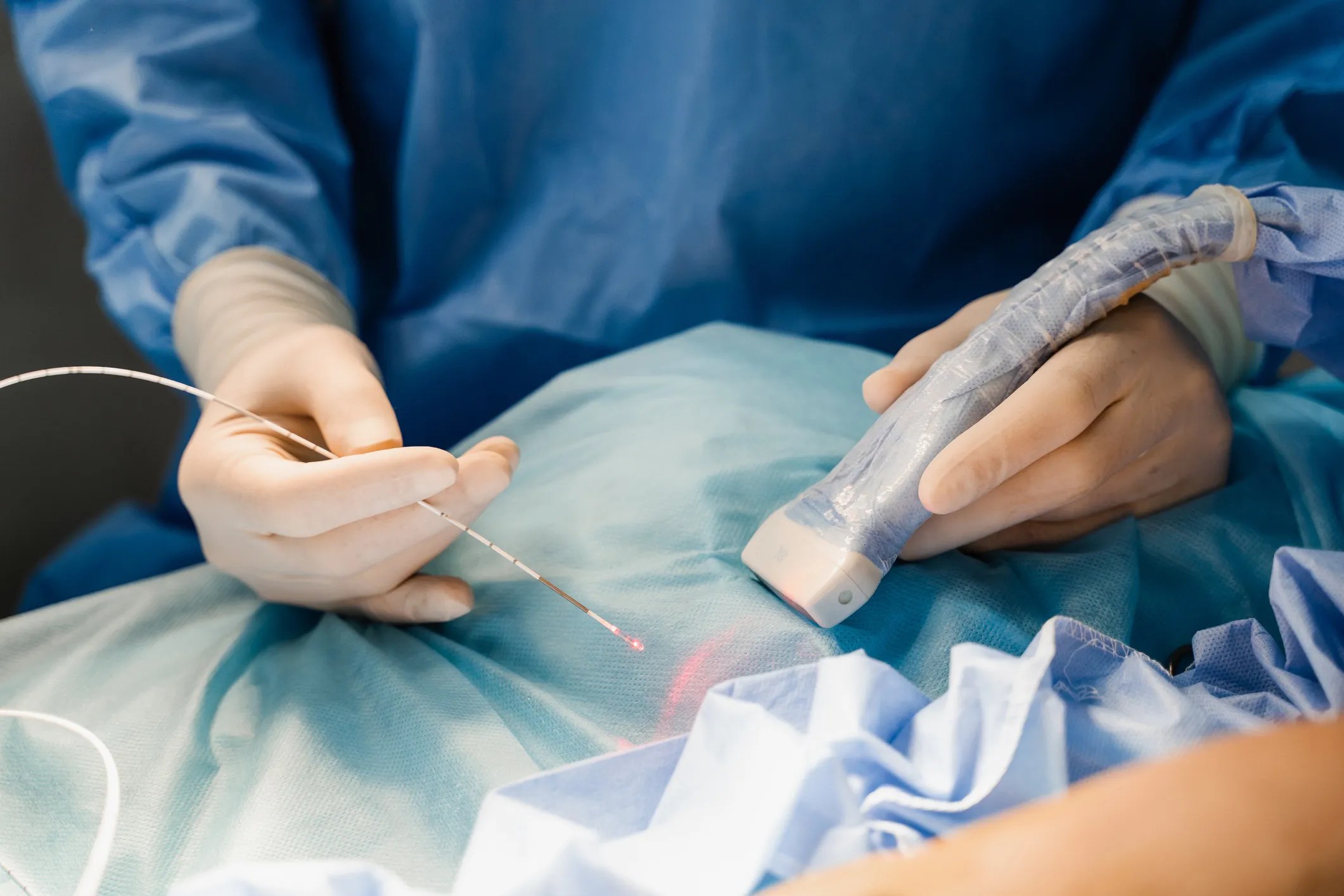
By 2030, the global surgical laser market size is projected to grow from $10.3 to $16 billion. These highly focused light beams are commonly used to treat medical conditions and chronic diseases. For instance, they can be used to repair a detached retina, shrink or destroy tumors in the skin, treat bleeding ulcers, or break up kidney stones. Because surgical lasers can pose significant risks like laser radiation, surgical fires, and surgical smoke to patients and perioperative personnel, it is essential to take appropriate precautions. AORN MAN-896-2020, Guideline for Laser Safety provides guidance for perioperative nurses on the safe use and care of laser equipment.
Laser Classifications and Potential Safety Risks
AORN MAN-896-2020 notes that lasers are classified as 1, 1C, 1M, 2, 2M, 3R, 3B, or 4, which is based on the accessible laser radiation. Most lasers used in health care facilities are class 3R, 3B, and 4:
- Class 3R laser systems present a low risk for injury, although the eye may be injured if it is focused and stable and the beam enters the eye directly or via specular reflection.
- Class 3B laser systems may be hazardous when the beam enters the eye directly or via specular reflection, but they do not normally cause a diffuse reflection or act as an ignition source.
- Class 4 laser systems are hazardous to the skin and to the eye when the beam enters the eye directly.
Class 4 Lasers and the Importance of Perioperative Safety
According to OSHA, nearly all treatment laser products used in surgery are Class 4 lasers, meaning they can cause serious injury from direct or reflected exposure. Potential hazards include severe eye injuries, skin burns, and respiratory exposure to laser-generated airborne contaminants. These risks make the operating environment an important part of laser safety.
AORN MAN-896-2020 addresses the safe use of laser systems as well as the roles, responsibilities, and education of personnel involved in laser procedures.
What Is AORN MAN-896-2020?
AORN MAN-896-2020 provides guidance to the perioperative team on the safe use of lasers, the roles and responsibilities of personnel, and the educational requirements for personnel involved with use of a laser system for medical procedures. The standard also establishes safe practices for preventing potential hazards associated with surgical smoke.
Reducing the Risk of Laser-Related Fires
A surgical fire can occur when three elements come together: an ignition source, fuel, and an oxidizer. During laser procedures, the laser serves as an ignition source, which can complete the surgical fire triad. An estimated 90 to 100 surgical fires (i.e., accidental and preventable fires in, on, or around a patient undergoing a medical or surgical procedure) occur each year in the United States. As such, fire prevention is an integral component of laser safety. The good news is that although surgical fires are one of the most catastrophic complications associated with Class 4 medical lasers, they are preventable.
To help reduce this risk, AORN MAN-896-2020 recommends incorporating a laser time-out into the procedural time-out. This gives the perioperative team an opportunity to confirm that a laser will be used and address potential fire hazards before activation. Depending on the procedure, precautions may include protecting exposed tissue with moist materials, keeping saline or water readily available, and reducing oxygen concentration to the lowest tolerable level when using a laser near the patient’s head, face, or neck.
By addressing potential sources of ignition, fuel, and oxygen before laser activation, perioperative teams can reduce fire hazards and support the coordinated safety practices outlined in the guideline.
Where to Find AORN MAN-896-2020
AORN MAN-896-2020, Guideline for Laser Safety is available on the ANSI Webstore.