ANSI N15.28-2021: Nuclear Material Control
Former U.S. Strategic Command Commander General Eugene Habiger famously observed that “good security is 20% equipment and 80% people,” highlighting the importance of a well-trained…

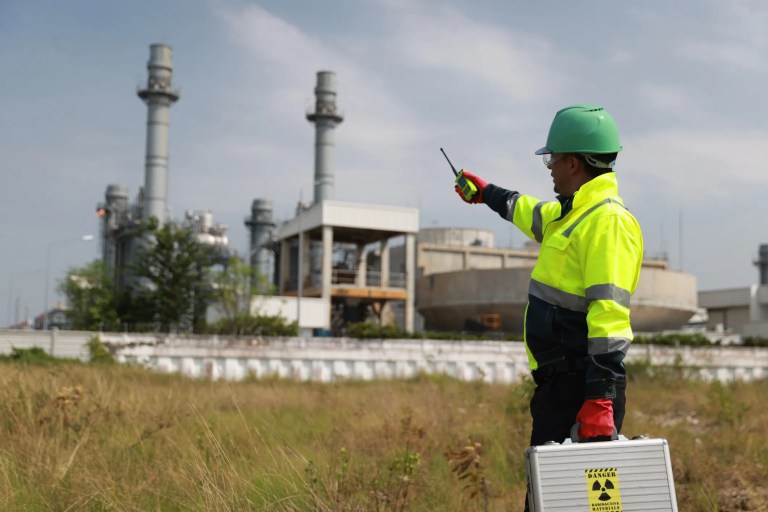
Former U.S. Strategic Command Commander General Eugene Habiger famously observed that “good security is 20% equipment and 80% people,” highlighting the importance of a well-trained…
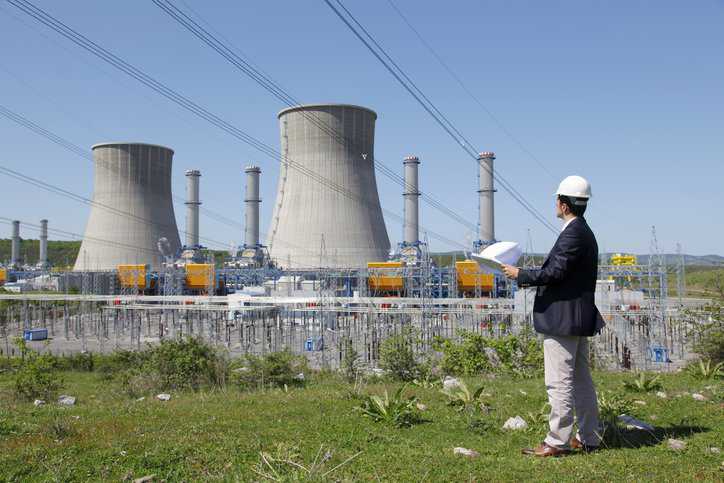
Probabilistic risk assessment (PRA) originated in the aerospace industry during and before the Apollo space program: the U.S. space project of the 1960s and 70s…
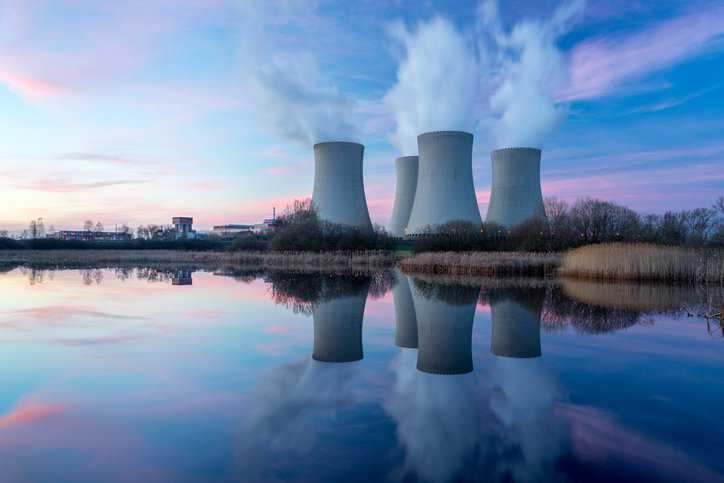
The United States is the world’s largest producer of nuclear energy, accounting for about 30% of the worldwide nuclear power generation. As such, the nuclear…
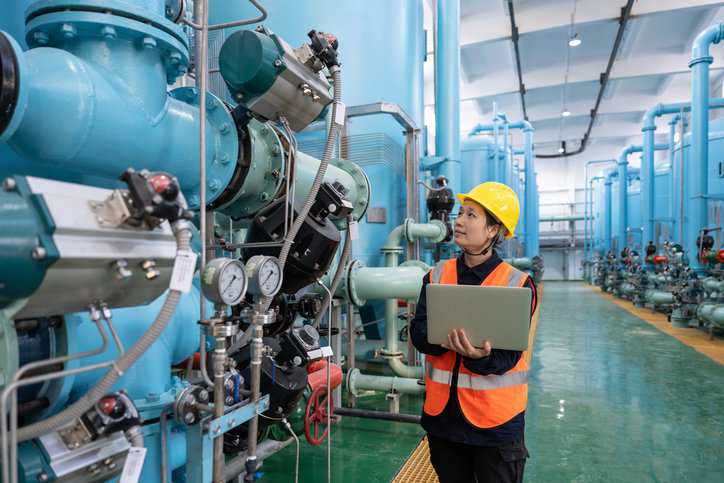
The fundamental objectives of nuclear safety are the achievement of proper operating conditions and the prevention or mitigation of accident consequences, resulting in the protection…
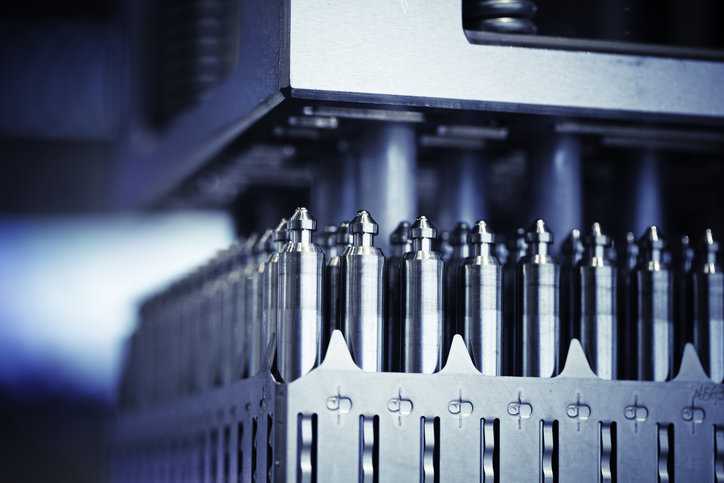
~440 nuclear power reactors operate across the globe. 96 are in the United States, where they produce nearly 20% of the electricity generated throughout the…
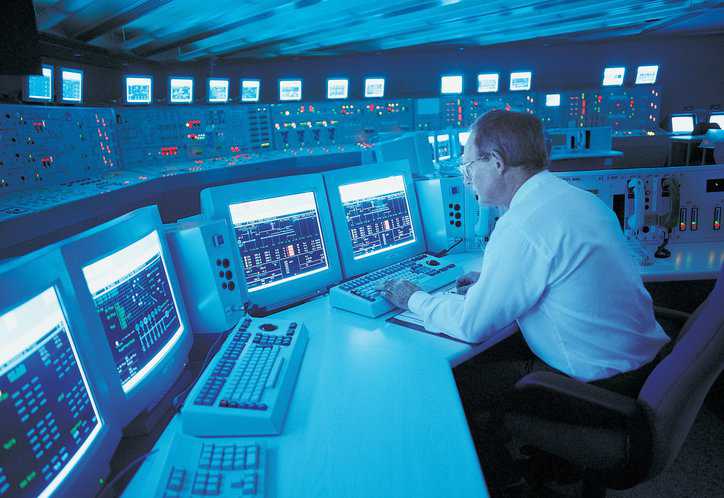
Nuclear energy provides about 10% of the world’s electricity from about 440 power reactors and is the world’s second largest source of low-carbon power. It is necessary that…
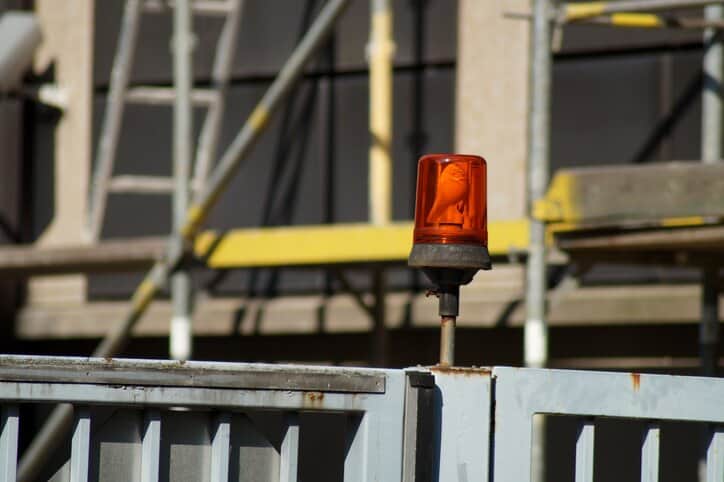
A Criticality Accident Alarm System (CAAS) is installed as part of criticality safety management for use in reducing the radiation workers could be exposed to…
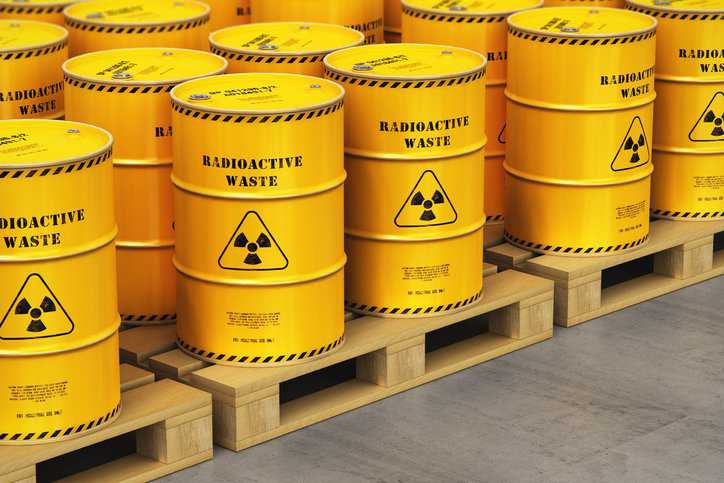
Globally, about 15 million packages of radioactive material are transported yearly on public roads, railways, and ships. Since important natural resources like uranium are not…
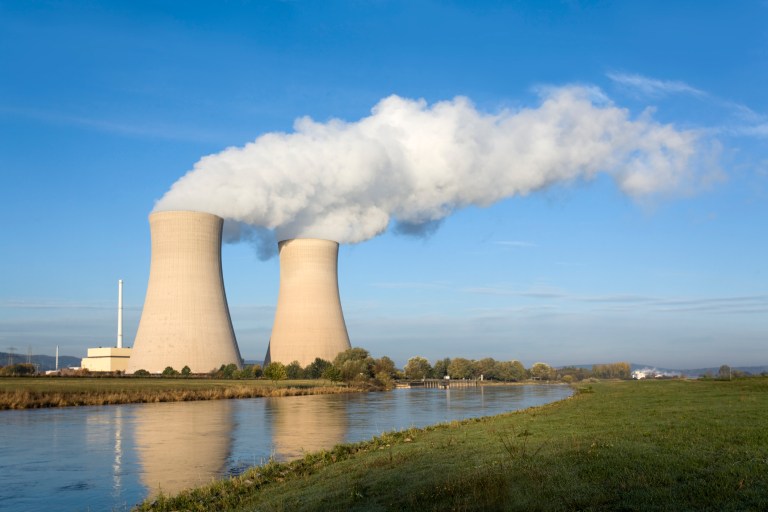
Nuclear reactors are safely maintained by current standards and regulations. Through these guidelines and requirements, the world’s 445 nuclear reactors generate about 10 percent of…