ANSI N15.28-2021: Nuclear Material Control
Former U.S. Strategic Command Commander General Eugene Habiger famously observed that “good security is 20% equipment and 80% people,” highlighting the importance of a well-trained…

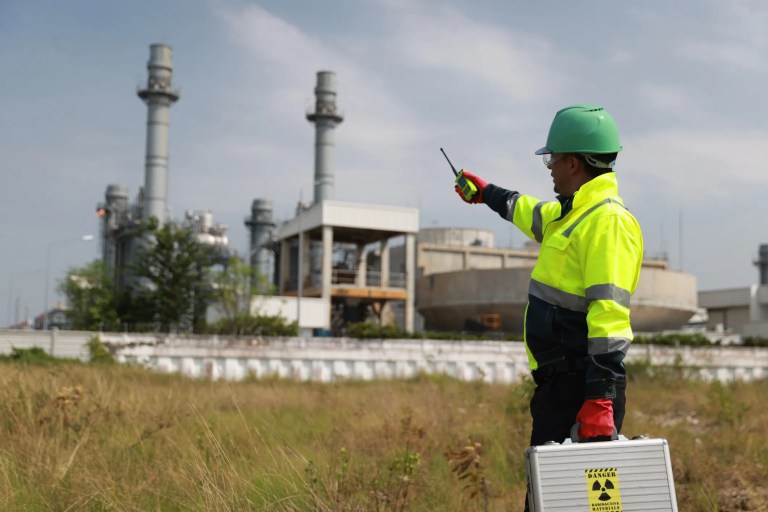
Former U.S. Strategic Command Commander General Eugene Habiger famously observed that “good security is 20% equipment and 80% people,” highlighting the importance of a well-trained…
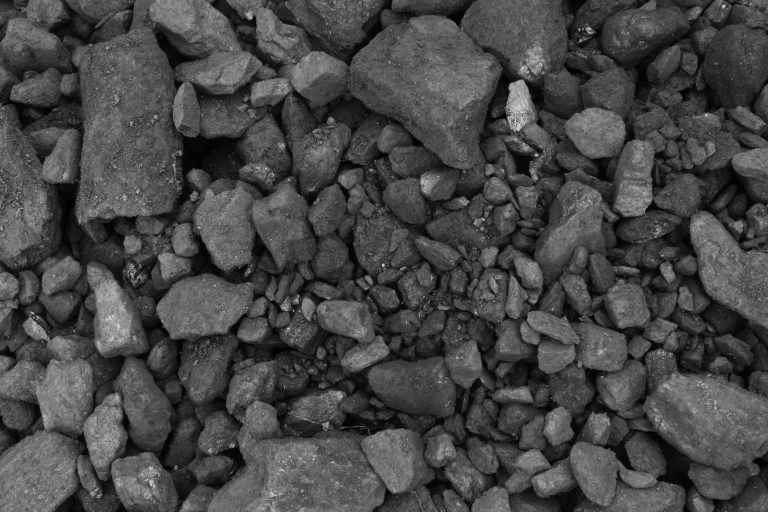
Coal abrasiveness is a key parameter influencing equipment wear, maintenance costs, and operational reliability in mining, power generation, and bulk material handling systems. While coal…
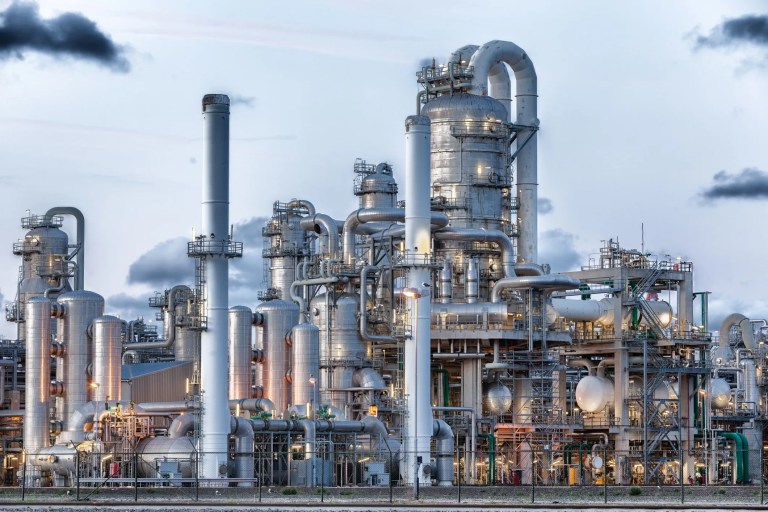
Petrochemicals are chemical compounds that are extracted by refining and processing petroleum (crude oil) and natural gas. They make the manufacturing of over 6,000 everyday…

The buildings sector includes energy used for constructing, heating, cooling, and lighting homes and businesses as well as the appliances and equipment installed in them—all…
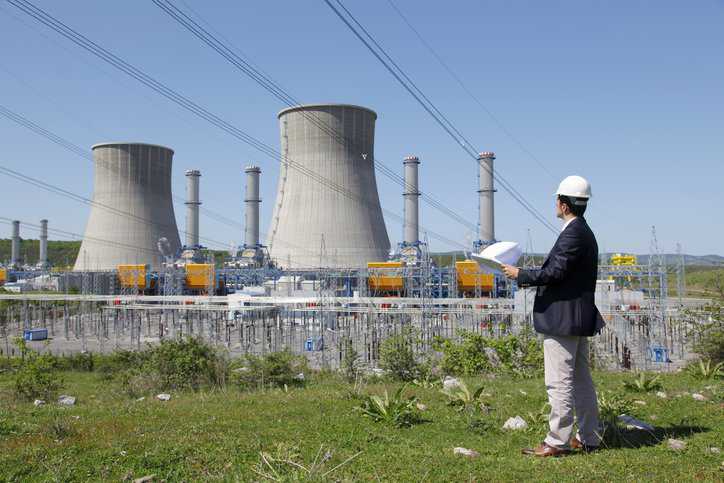
Probabilistic risk assessment (PRA) originated in the aerospace industry during and before the Apollo space program: the U.S. space project of the 1960s and 70s…
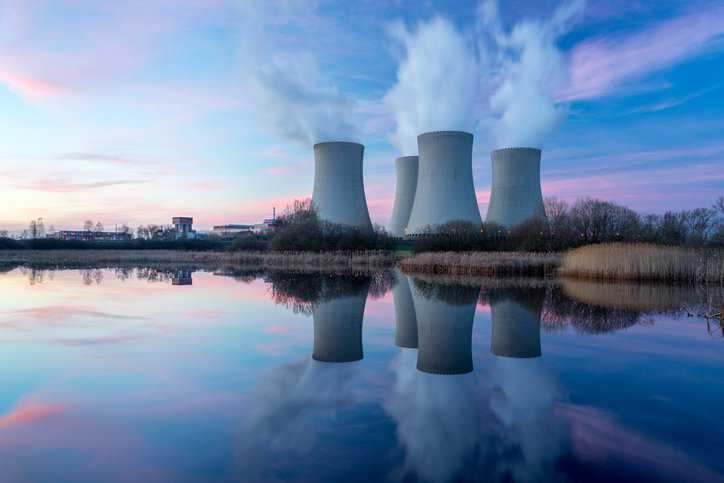
The United States is the world’s largest producer of nuclear energy, accounting for about 30% of the worldwide nuclear power generation. As such, the nuclear…
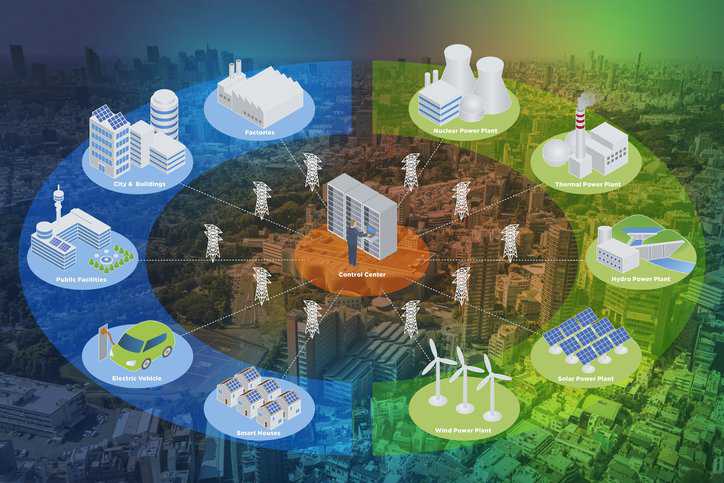
Nearly all electricity is consumed in a building of some kind: homes, retail establishments, offices, schools, factories, hospitals—the list goes on. ANSI/ASHRAE/NEMA Standard 201-2016(R2020): Facility…
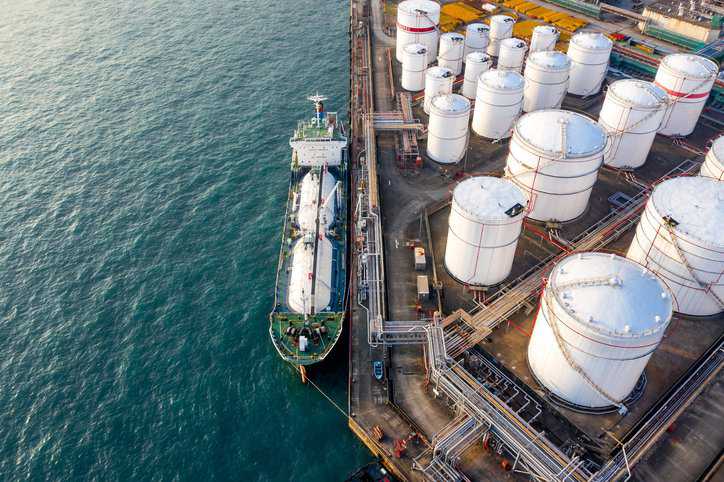
Cargo ships carry over 90% of global goods. They are typically are powered by heavy fuel oil (HFO)—a residual fuel produced from petroleum refining that…

Wind energy in the United States helps avoid 336 million metric tons of carbon dioxide emissions annually—equivalent to the emissions from 73 million cars. Further, wind…