CEDIA-CTA-RP22-2023: Immersive Audio Design
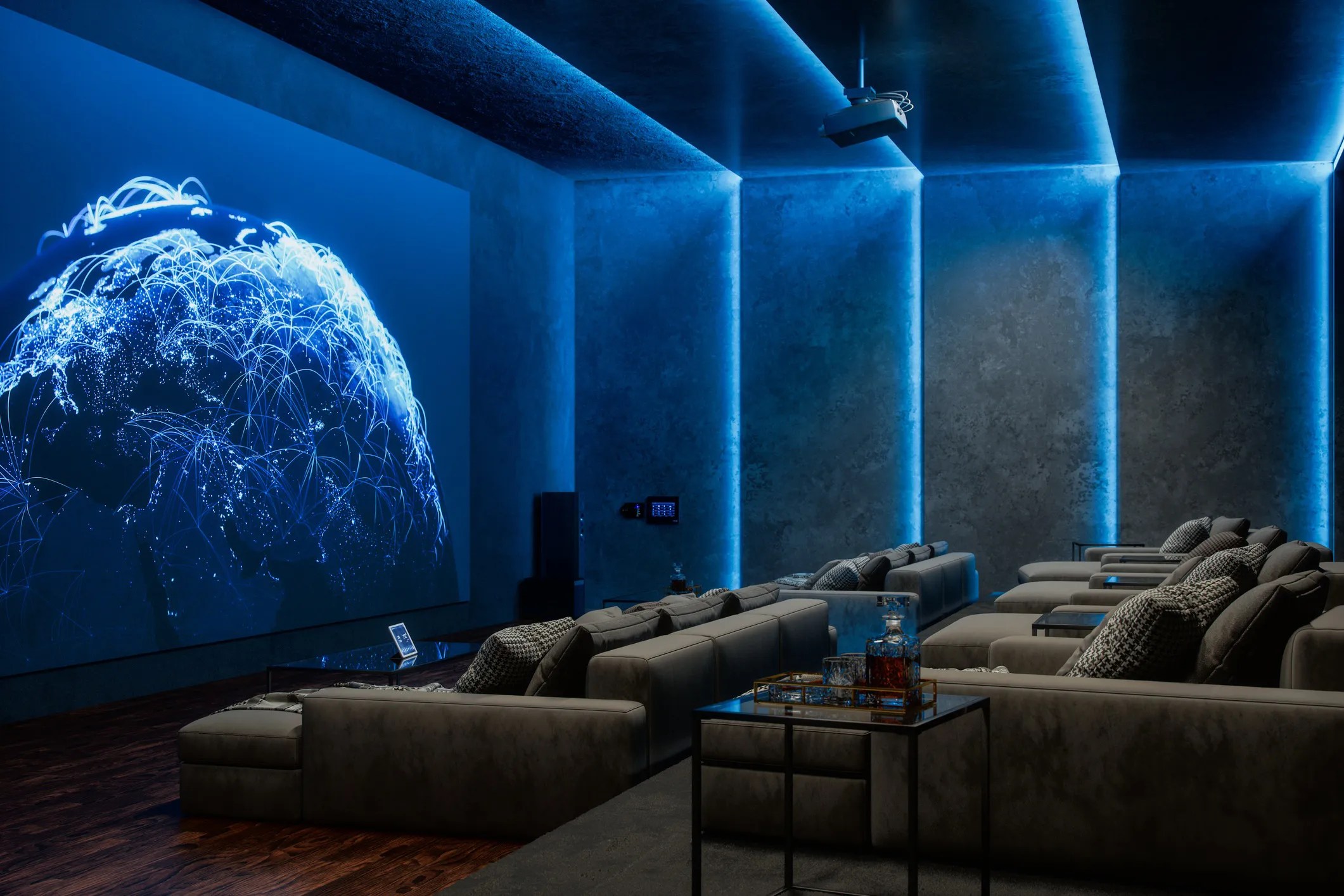
Immersive audio is playing a growing role in the home entertainment experience. In 2025, 58% of dedicated theater projects included full immersive audio setups, while three-quarters of integrators reported installing six or more surround-sound loudspeakers. With complex audio systems, thoughtful design is essential to achieving the intended experience. CEDIA-CTA-RP22-2023, Immersive Audio Design Recommended Practice provides guidance for professionals designing audio systems in private entertainment spaces.
What Is Immersive Audio?
Immersive audio is a sound technology that creates a three-dimensional listening experience, surrounding individuals with sound from above, below, and all around them. In a home theater or other private entertainment space, immersive audio can bring audiences deeper into the content. A film scene, for example, can seem to unfold around the listener, music can take on a greater sense of space, and sound effects can appear to move throughout the environment.
Designing Immersive Audio for the Entertainment Experience
For sounds effects to work as intended, the audio system needs to be carefully designed around the room and the intended listening experience. This means considering the different acoustic/physical characteristics—such as room dimensions, construction materials, furnishings, speaker locations, seating positions, and other elements—that can affect the audio performance of an entertainment space.
Growing Demand for Home Entertainment Spaces
The home entertainment market is projected to reach $4.1 billion by 2029, reflecting continued growth as consumers adopt flexible media rooms and home theater systems. With sophisticated entertainment spaces, careful audio design helps deliver the intended entertainment experience.
CEDIA-CTA-RP22-2023 provides audio design and engineering parameters to help professionals address the unique characteristics of private entertainment spaces and achieve proper audio performance.
What Is CEDIA-CTA-RP22-2023?
CEDIA-CTA-RP22-2023 outlines various audio design and engineering parameters relevant to the proper performance of audio within a private entertainment space. Such spaces deliver a user experience that renders content as close as possible to the intent of the content creator.
For the purposes of this recommended practice, entertainment spaces are any space in a building where people can enjoy the consumption of audiovisual content. Examples of content include, but it is not limited to, movies, TV shows, games, and music, via a range of distribution methods.
What Is Not in the Scope of CEDIA-CTA-RP22-2023?
CEDIA-CTA-RP22-2023 does not address methods or best practices for measuring or verifying as-built system performance. Its recommendations apply only to consumer release formats and do not cover theatrical applications. The recommended practice also does not address speaker positioning around large emissive displays, such as video walls.
As these technologies continue to mature and proposals for their applications become more widely adopted, future updates to the document are anticipated.
Growing Importance of Immersive Audio
According to DTS consumer research, 83% of adults in the U.S. and U.K. consider audio essential or valuable to their everyday entertainment experience, while 31% would like more immersive or surround sound. As immersive audio has become an important part of home entertainment, careful system design can help assure that sound performs as intended within these valued entertainment spaces.
Where to Find CEDIA-CTA-RP22-2023
CEDIA-CTA-RP22-2023, Immersive Audio Design Recommended Practice is available on the ANSI Webstore.
CEDIA-CTA-RP22-2023 was developed by the Consumer Technology Association (CTA).
Please direct any technical questions relating to this American National Standard to the developer. You can find the contact information for all ANSI-accredited standards developers here: List of ANSI-Accredited Standards Developers (ASDs).
For further information, please refer to: Who to Contact for Standards Related Questions.