Building Safety Standards That Protect Structures
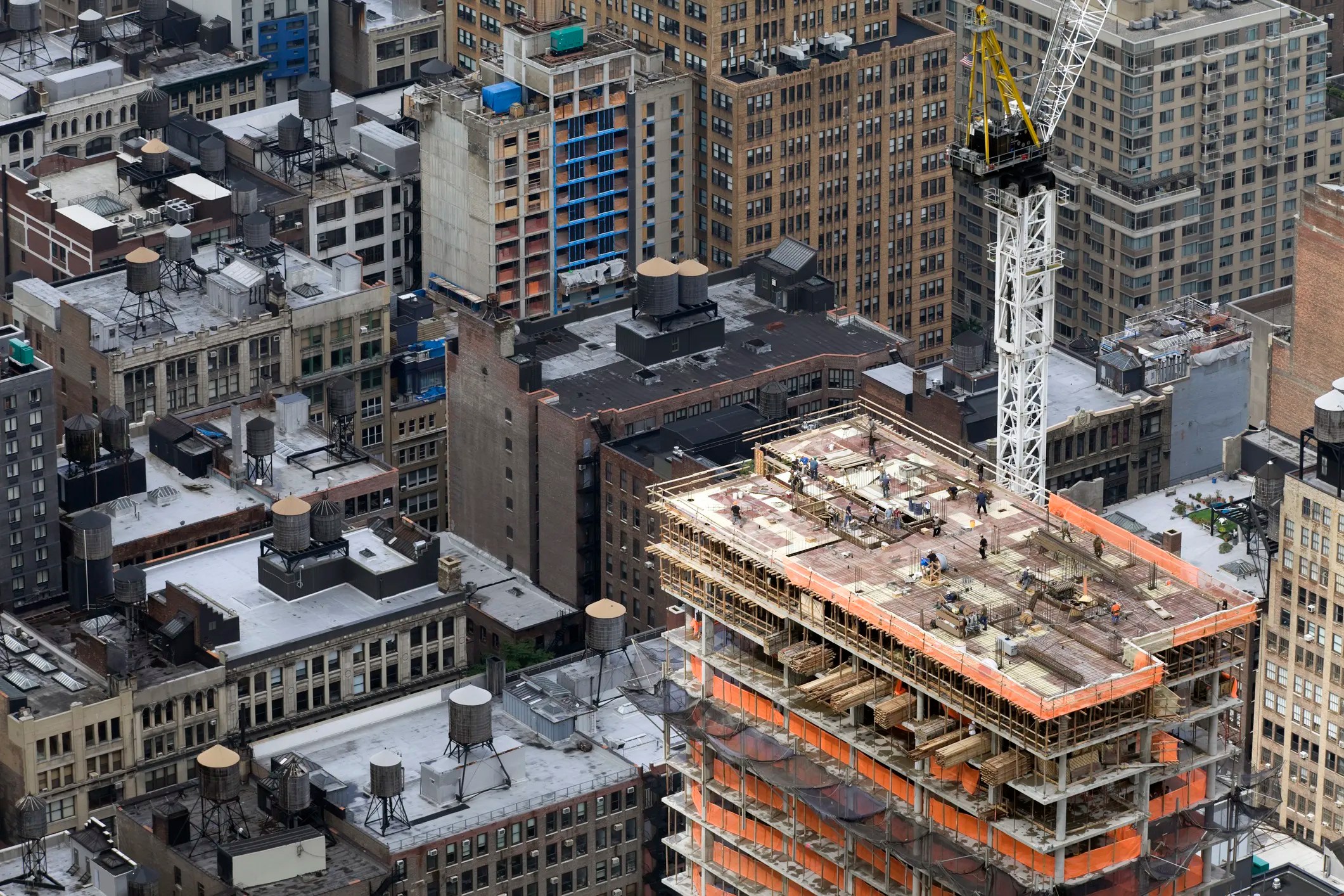
While structural failures in buildings are uncommon, they can have devastating consequences. Since 1969, the National Institute of Standards and Technology (NIST) has investigated more than 40 major disasters and failures to improve building codes, engineering practices, and safety standards. Research has also shown that many building failures are linked to preventable factors, including construction deficiencies, inadequate maintenance, and improper renovations. Together, these findings underscore the critical role standards play in helping create safer, more resilient buildings throughout their lifecycle.
Midtown Manhattan Building Emergency
On July 7th, 2026, a major structural emergency unfolded in Midtown Manhattan after workers discovered buckling structural columns inside the former Pfizer headquarters at 235 East 42nd Street, a high-rise currently undergoing conversion from office space into residential apartments. Emergency officials evacuated the building along with several surrounding properties, established a safety perimeter, and began stabilization efforts.
Fortunately, no injuries were reported because workers recognized the warning signs and emergency procedures were quickly implemented. The incident underscores a critical reality: structural safety depends on rigorous engineering, construction oversight, and adherence to standards throughout a building’s entire lifecycle.
Designing Buildings for Strength and Resilience
Meticulous structural engineering is the foundation of safe, resilient buildings. Engineers rely on standards to evaluate the forces a structure may experience throughout its lifetime, including occupant and equipment loads, wind, snow, earthquakes, flooding, and other environmental stresses. These calculations help assure buildings can withstand expected conditions while maintaining structural integrity during extreme events. Without this level of engineering precision, structures are more vulnerable to failures caused by unanticipated loads, material deterioration, or changing environmental conditions.
ISO 22111:2019, Bases for Design of Structures—General Requirements establishes fundamental principles for structural design, providing a framework for developing structures that can safely resist expected loads while reducing the risk of disproportionate collapse during extreme events or unforeseen hazards.
Complementing this global framework, ASCE/SEI 7-2022, Minimum Design Loads and Associated Criteria for Buildings and Other Structures defines the minimum design loads and performance criteria engineers use to account for forces such as wind, earthquakes, snow, flooding, and other environmental hazards. By establishing consistent methods for evaluating structural demands, the standard supports reliable and resilient building design.
Together, ISO 22111:2019 and ASCE/SEI 7-2022 provide a foundation for designing buildings that are strong, adaptable, and capable of supporting occupant safety throughout their service life.
Structural Assessments for Existing Buildings
Constructing a new building and evaluating an existing one are very different engineering challenges. As buildings age, engineers may assess corrosion, fatigue, settlement, material deterioration, previous renovations, or changes in building use before recommending repairs or modifications.
SEI/ASCE 11-99, Guideline for Structural Condition Assessment of Existing Buildings provides guidance for conducting systematic structural evaluations, documenting deficiencies, and supporting engineering decisions regarding repairs or rehabilitation. Essentially, it helps evaluate the safety, serviceability, and remaining service life of aging infrastructure. SEI/ASCE 11 is critical for helping professionals make informed decisions regarding repairs, historic preservation, and sustainable reuse.
Construction Safety Standards for Safer Worksites
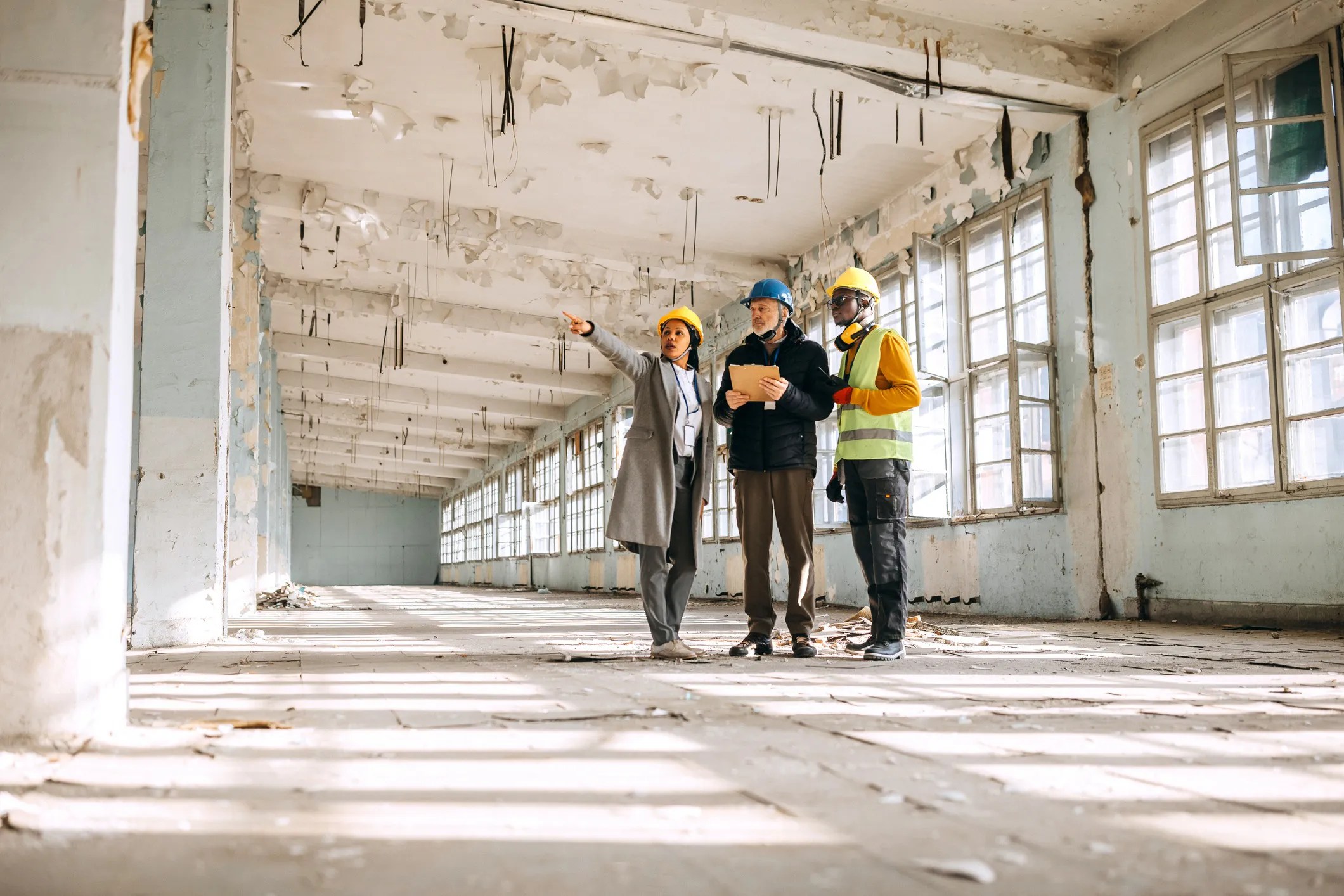
Even with careful planning and engineering, unexpected conditions (e.g., deteriorated materials, corrosion, cracks, soil issues, or weakened connections) can arise on construction and renovation sites. Identifying hazards early, establishing clear responsibilities, and responding effectively are essential steps for preventing injuries and reducing the risk of more serious incidents.
The ANSI/ASSP A10 Construction Safety Standards series provides guidance for protecting workers across a wide range of construction activities, helping organizations establish safe work practices, coordinate responsibilities, and manage hazards throughout the project lifecycle. For example, ANSI/ASSP A10.33-2020 is critical across a building’s life cycle because it establishes the baseline requirements for a cohesive safety and health program on multi-employer construction and demolition sites. It eliminates worksite fragmentation, assuring that project owners, construction managers, contractors, subcontractors, and other stakeholders operate under a single, unified hazard-management framework.
Other standards in the A10 series focus on specific risks associated with construction, demolition, and renovation activities. ANSI/ASSP A10.12-2022, Safety Requirements for Excavation establishes safety practices for excavation operations, including guidance for managing hazards such as cave-ins, underground utilities, and protective systems. These considerations are especially important for projects involving foundation work, site preparation, or modifications to existing structures. For work involving elevated areas, ANSI/ASSP A10.5-2020, Safety Requirements for Material Hoisting and ANSI/ASSP A10.8-2019, Scaffolding Safety Requirements provide guidance for protecting workers from hazards associated with lifting materials and working on temporary access structures.
Additionally, ANSI/ASSP A10.18-2023, Safety Requirements for Temporary Floor Openings, Wall Openings, and Holes in Construction and Demolition helps address fall hazards created during construction activities, while ANSI/ASSP A10.48-2023, Criteria for Safety Practices with the Construction, Demolition, Modification, and Maintenance of Communication Structures provides guidance for specialized structural work environments.
ANSI/ASSP A10 Construction Safety Standards help project teams establish proactive safety programs, manage construction risks, and maintain safer worksites during new construction, renovations, and structural modifications.
Building a Safer Future Through Standards
Structural safety depends on more than strong materials and sound engineering; it requires a comprehensive approach that encompasses design, construction, inspection, renovation, maintenance, and worker safety throughout a building’s lifecycle. By applying recognized standards, industry stakeholders can better identify risks, improve decision-making, and help create buildings that support the safety of occupants, workers, and communities.
Learn More Standards for Construction and Resilient Design
- ANSI/ASSP A10 Standards for Construction Safety
- Construction Safety Tips
- Standards Help Build Safe and Resilient World Cup Stadiums
- ASCE/SEI 24-2025: Flood Resistant Design and Construction
- ASCE/SEI 7-2022: Minimum Design Loads for Buildings
- ASTM E2921-22: Whole Building Life Cycle Assessments
- 2024 International Building Code (ICC IBC-2024)