AWWA B110-09: Membrane Systems
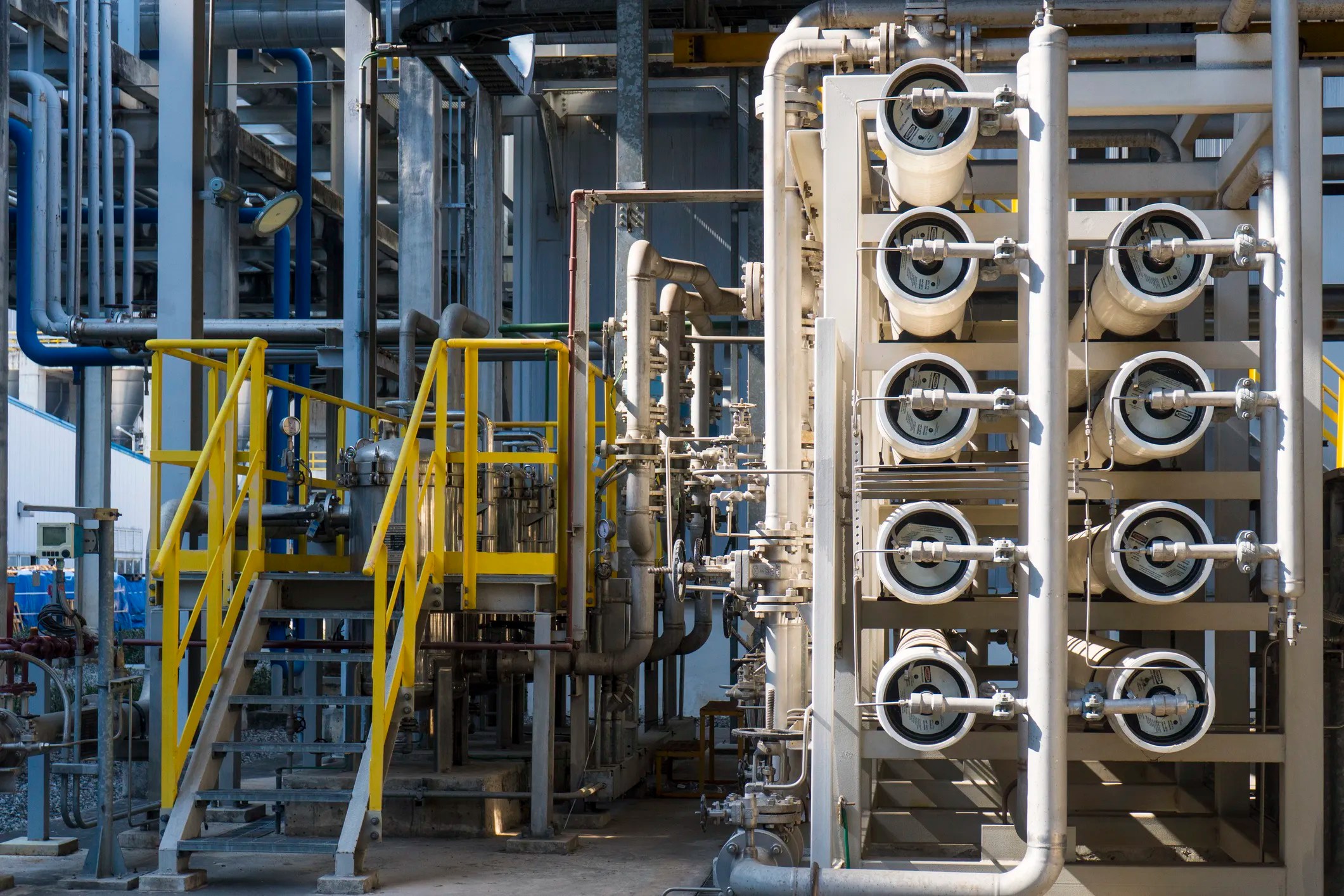
As the world’s population and living standards steadily grow, the demand for robust and effective water- and wastewater treatment systems to support human, agricultural, and industrial water uses also continues to increase. Membrane separation and filtration technology provides a range of treatment methods that can remove contaminants, helping produce high-quality drinking and reclaimed water to support communities worldwide. AWWA B110-09, Membrane Systems establishes minimum requirements for membrane systems used in water and reclaimed water systems.
The Evolution and Growing Use of Membrane Water Treatment
Membrane technology has been used for water purification since the 1950s, when electrodialysis became an established treatment method, followed by reverse osmosis in the late 1960s. Membrane systems have evolved and are now commonly used to produce potable water from seawater, brackish water, groundwater, and surface water. Additionally, in the 1990s, microfiltration (MF) and ultrafiltration (UF) gained wider acceptance for microbial removal.
Today, membrane systems are used by industries (e.g., biotechnology, pharmaceuticals, and food and beverage processing) worldwide for drinking water and reclaimed water applications. AWWA B110-09 provides minimum requirements to help utilities plan, select, procure, construct, and commission membrane-based treatment systems while considering site-specific water quality, regulatory requirements, and treatment objectives.
What Is AWWA B110-09?
AWWA B110-09 sets minimum requirements for microfiltration (MF), ultrafiltration (UF), nanofiltration (NF), reverse osmosis (RO), electrodialysis (ED), and electrodialysis reversal (EDR) membrane systems for water and reclaimed water treatment systems. AWWA B110-09 is intended to assist with the design, procurement, installation, and commissioning of membrane systems.
Different Membranes Target Different Contaminants
Not all membrane systems are designed to remove the same types or sizes of contaminants. Based on their pore size (i.e., a tiny hole in the filter sheet) and separation mechanism, they target specific contaminants, such as particles, bacteria, viruses, organics, and salts from water (or gas). The four primary types of membrane filtration include:
- Microfiltration (MF): Contains the largest pores of about 0.1 to 10 micrometers. Often used in dairy and plant-based processing, MF is based on a membrane with a very open structure. It allows most dissolved substances to pass whereas non dissolved particles, bacteria, spores, and fat globules are rejected.
- Ultrafiltration (UF): Contains smaller pores of about 0.01 to 0.1 micrometers. UF catches everything MF does plus tiny particles and most viruses—but it still leaves healthy dissolved minerals alone.
- Nanofiltration (NF): Contains very small pores of about 0.001 micrometers. NF membranes reject organic molecules, larger contaminants and sulfates, and multivalent ions, but it can allow smaller single-charged ions (like sodium) to pass through. Since NF softens water by membrane (not salt), it is highly effective for water softening.
- Reverse Osmosis (RO): Contains the finest separation level of about 0.0001 micrometers. Since its membrane pores are so tiny, RO removes up to 99% of dissolved salts, heavy metals, microorganisms, suspended particles, and other impurities. It is best for high total dissolved solids (TDS), brackish/seawater, demineralized water, and scale-sensitive processes.
Where to Find AWWA B110-09
AWWA B110-09, Membrane Systems is available on the ANSI Webstore.