ANSI/AAMI/ISO 23500-2:2024—Hemodialysis Water Treatment
Healthy kidneys continuously filter waste products, excess fluids, and toxins from the bloodstream. When kidneys fail, hemodialysis (i.e., a life-saving treatment for kidney failure) performs…

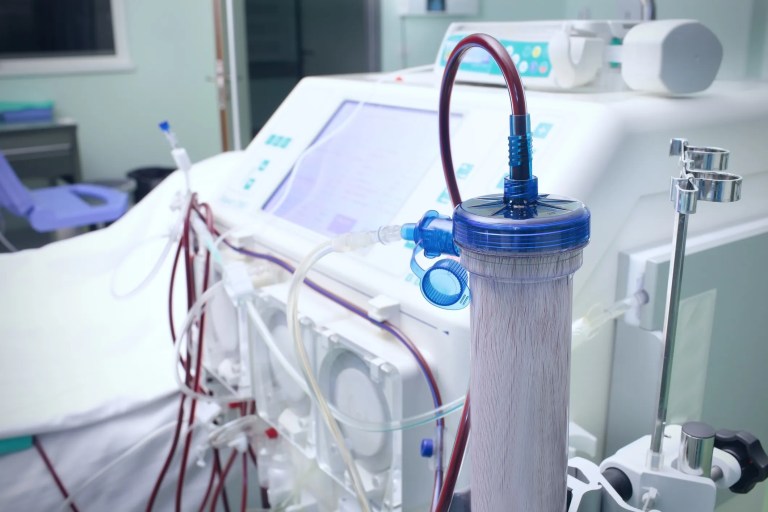
Healthy kidneys continuously filter waste products, excess fluids, and toxins from the bloodstream. When kidneys fail, hemodialysis (i.e., a life-saving treatment for kidney failure) performs…
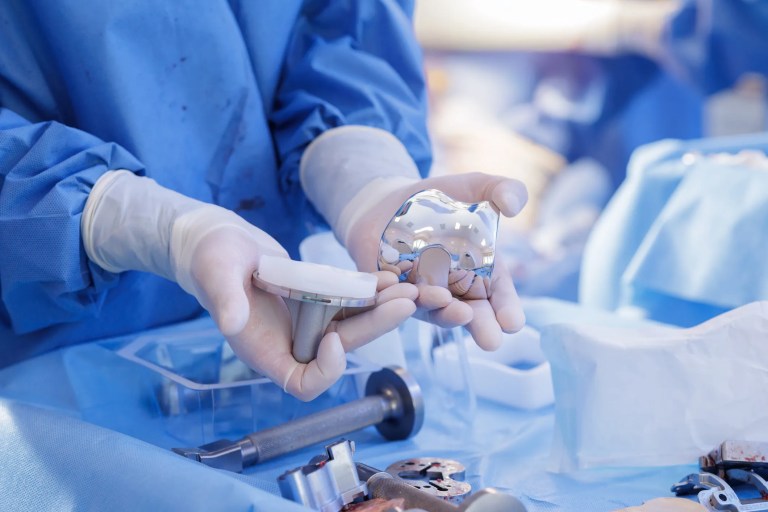
When a medical device is implanted into the human body (whether temporarily or permanently) it triggers a biological response. The difference between safe integration and…
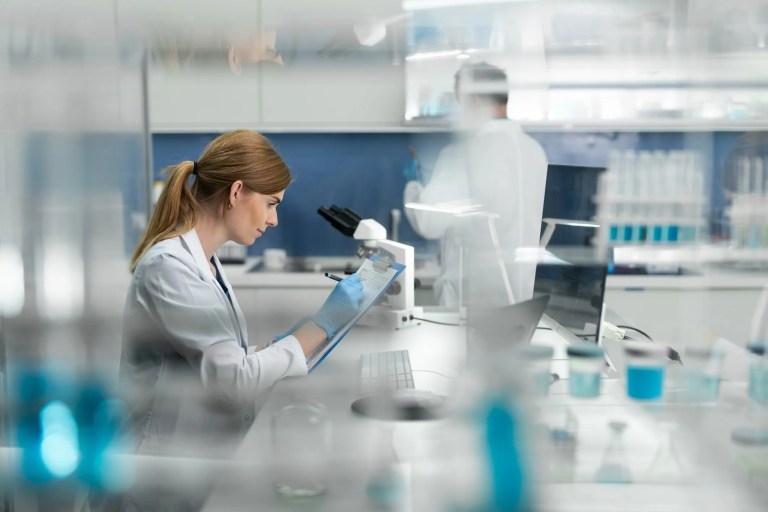
Bringing a medical device to market is not just about innovation; it is about trust. Before a device ever reaches a patient, it must undergo…
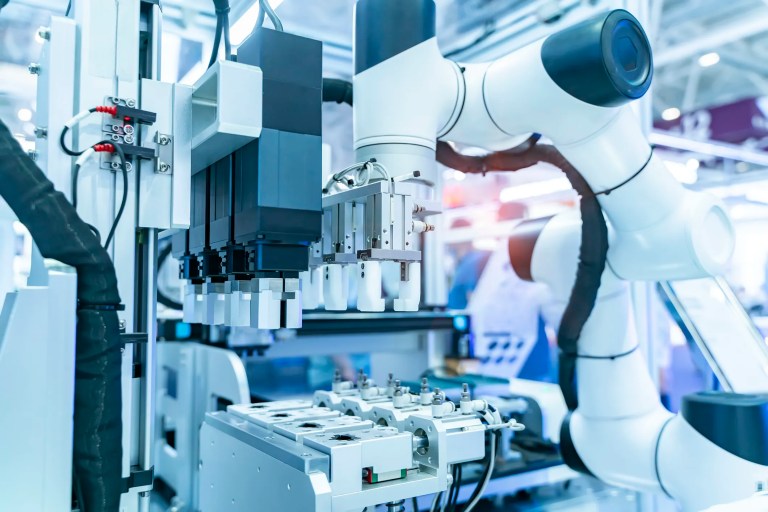
In medical manufacturing, even the smallest deviation is more than a cosmetic issue. It represents real risk. A micron of excess material, a slightly rough…

While medical devices are designed to heal, monitor, or save lives, they could instead become a tool for harm if compromised. The healthcare sector is…
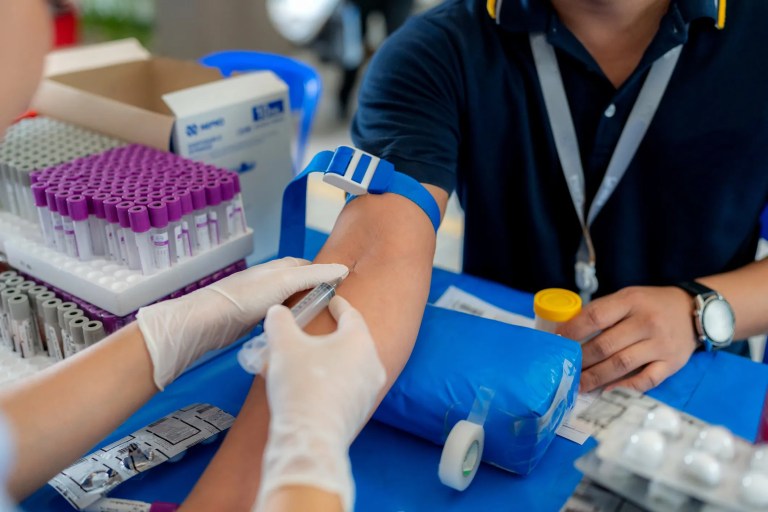
Needle-based injection systems (NISs) are extremely common and represent the primary method for drug delivery, with at least 16 billion NISs injections administered globally each year. Therefore,…
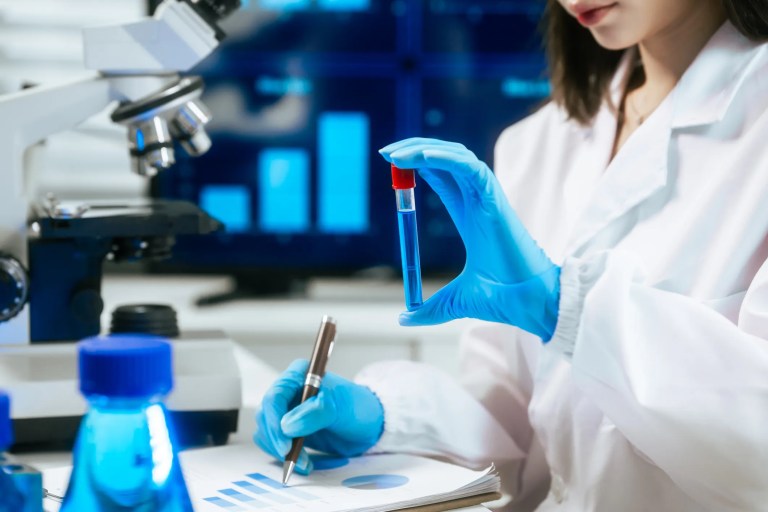
Medical devices range from simple bandages to complex implantable devices like pacemakers and prosthetics. Regardless of their complexity, all medical devices must undergo rigorous testing…
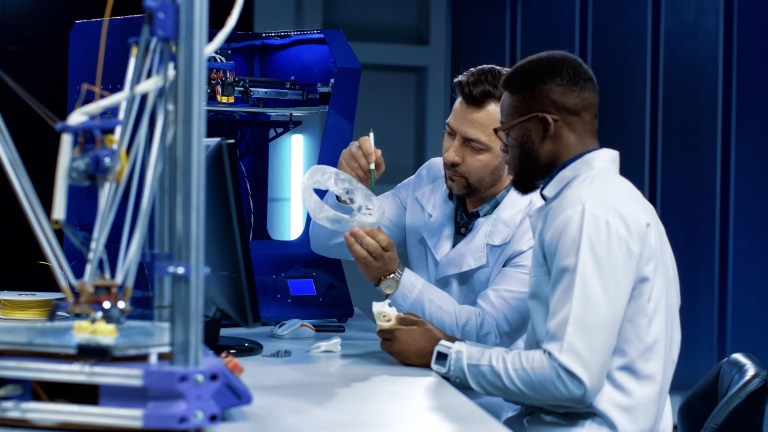
Medical devices are essential to modern healthcare, but their safety and effectiveness rely heavily on human factors engineering (HFE). HFE helps reduce use errors (a…
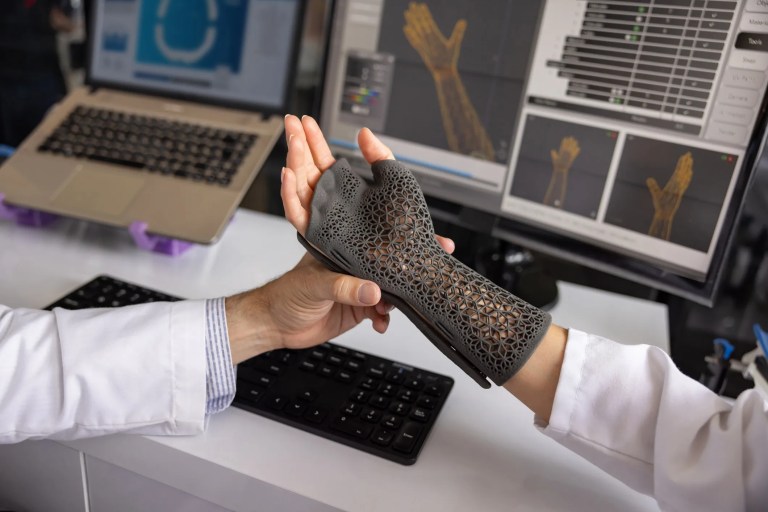
3D printing technology has caused a revolution in health care delivery. It is being widely adopted for various applications, including anatomical modeling, surgical planning, the creation…