ANSI/PHTA/ICC 2-2023: Public Pool and Spa Operations
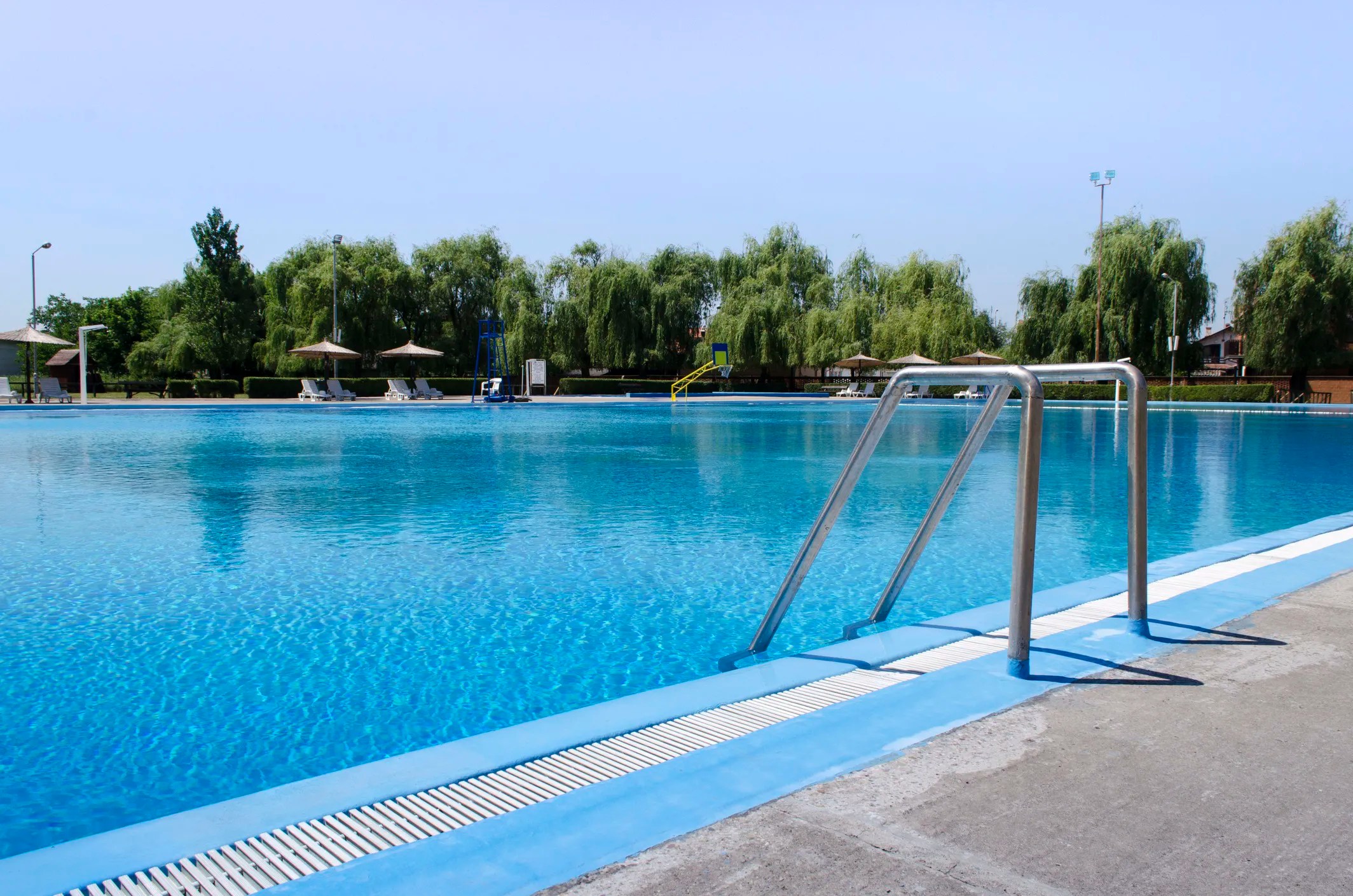
Public pools and spas may look like inviting oases of relaxation but keeping their waters clean and their facilities safe requires careful, ongoing maintenance. In fact, about 1 in 7 routine public hot tub and spa inspections result in immediate closure due to serious health and safety violations. ANSI/PHTA/ICC-2-2023, American National Standard for Public Pool and Spa Operations and Maintenance provides public health officials, aquatics professionals, and code officials with an adoptable framework for managing public aquatic venues and supporting safe, sanitary conditions.
Why Water Quality Monitoring Matters for Public Pools and Spas
Without proper treatment and routine testing, aquatic facilities can become breeding grounds for harmful bacteria, parasites, and other contaminants. Factors such as disinfectant levels, pH balance, and water circulation all play a role in maintaining healthy swimming environments. As such, consistent monitoring and maintenance help pool and spa operators identify potential problems, reduce the risk of recreational water illnesses, and support a safer experience for swimmers.
ANSI/PHTA/ICC-2 2023 addresses water quality and other critical operational practices to help professionals manage public aquatic venues.
What Is ANSI/PHTA/ICC-2 2023?
ANSI/PHTA/ICC-2 2023 provides public health officials, industry professionals, and code officials with an easily adoptable set of guidelines for the operation and maintenance of all types of public aquatic venues. The American National Standard focuses on critical areas of operations and maintenance including inspections, operating permits, water quality, hygiene facilities, indoor/outdoor environment, and other requirements.
By bringing these operational considerations together, ANSI/PHTA/ICC-2 2023 provides a reference for public health authorities, facility operators, and code officials responsible for aquatic venue management.
The Role of Consistent Pool and Spa Maintenance
Public pools and spas require consistent attention to water quality, hygiene, and facility conditions to help reduce the risk of illness and injury. CDC surveillance has documented outbreaks associated with treated recreational water, including illnesses linked to pathogens such as Cryptosporidium and Legionella.
Cryptosporidium and Legionella Outbreak Impact
In the U.S., Cryptosporidium is the single most common cause of outbreaks associated with treated recreational water. Of the 2,953 cases linked to outbreaks with a confirmed infectious cause during 2015–2019, 2,492 were associated with Cryptosporidium. This parasite can survive for more than seven days in water containing CDC-recommended chlorine concentrations, highlighting why effective pool management involves more than relying on chlorine alone.
While Legionellaaccounts for fewer total cases, this bacterium is responsible for nearly all severe outcomes and fatalities linked to treated recreational water outbreaks, especially in vulnerable individuals. During 2015–2019, 65 reported outbreaks were attributed to Legionella, resulting in 13 deaths. These findings illustrate why effective aquatic facility management involves multiple operational safeguards, including appropriate water treatment, maintenance, and oversight.
ANSI/PHTA/ICC-2 2023 provides a framework for addressing these responsibilities through its operational and maintenance provisions.
Where to Find ANSI/PHTA/ICC-2 2023
ANSI/PHTA/ICC 2-2023, American National Standard for Public Pool and Spa Operations and Maintenance is available on the ANSI Webstore.
ANSI/PHTA/ICC-2 2023 was developed by the Pool & Hot Tub Alliance (PHTA).
Please direct any technical questions relating to this American National Standard to the developer. You can find the contact information for all ANSI-accredited standards developers here: List of ANSI-Accredited Standards Developers (ASDs).
For further information, please refer to: Who to Contact for Standards Related Questions.