ANSI/ADA 101-4-2025: Endodontic Auxiliary Instruments
To navigate the intricate network of canals in a tooth, endodontists may work in spaces finer than a strand of human hair. These specialized dentists rely on instrumentation to perform precise, microscopic work that can save a tooth’s life. ANSI/ADA 101-4-2025 — Dentistry – Endodontic Instruments – Part 4: Auxiliary instruments establishes requirements for endodontic auxiliary instruments.
What Are Endodontic Auxiliary Instruments?
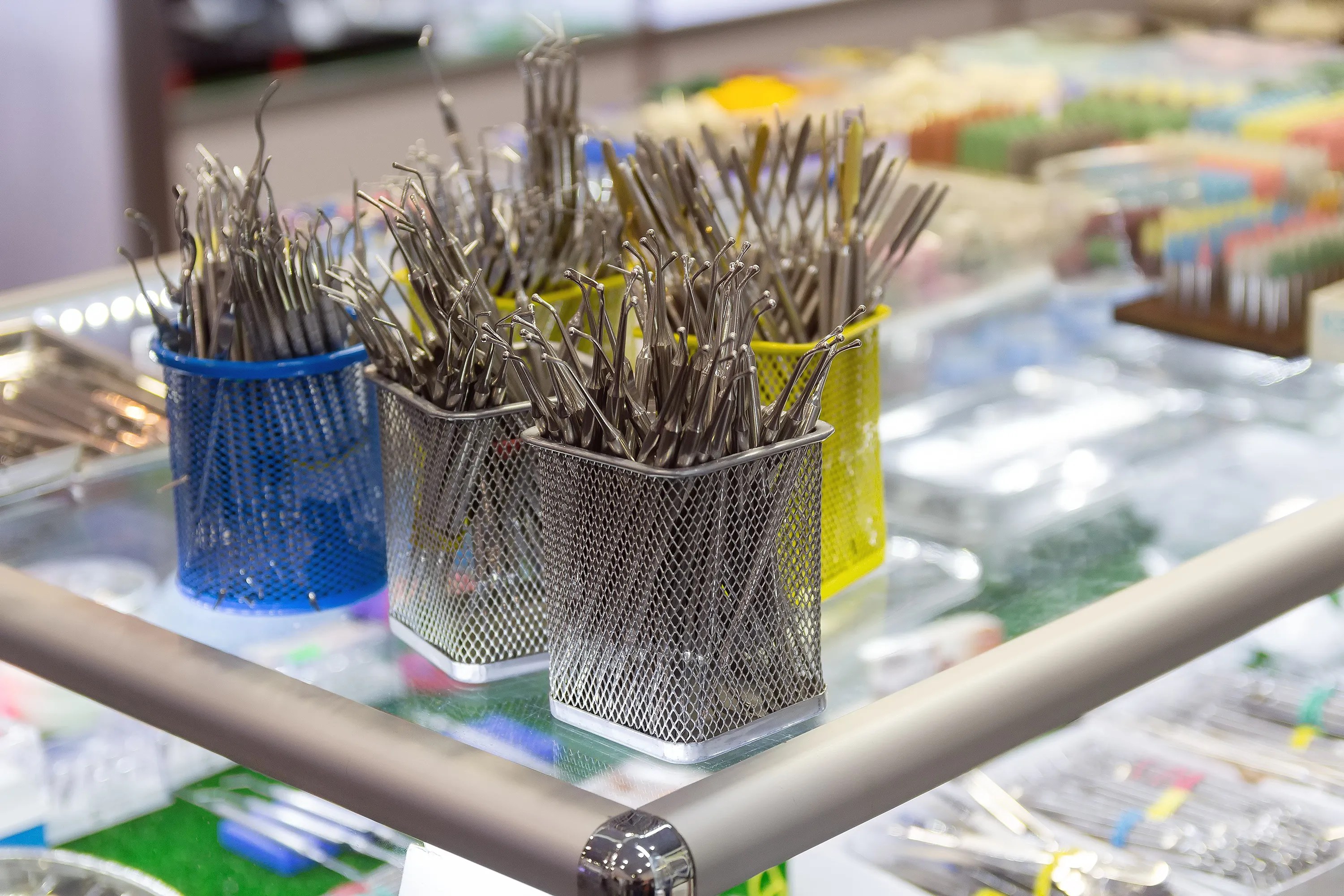
Endodontic auxiliary instruments are specialized, non-cutting tools used to assist in locating, cleaning, shaping, and sealing root canals. They include, for example, rubber dam systems, electronic apex locators, endodontic rulers and gauges, endo organizers and cassettes. These instruments help enhance access to canals, facilitate irrigation, clean complex anatomy, manage calcifications, and improve efficiency in drying and obturation.
ANSI/ADA 101 Series for Endodontic Instruments
The ANSI/ADA 101 consists of dental standards defining requirements and test methods for endodontic instruments used in root canal cleaning and shaping. ANSI/ADA 101-4-2025 is a specific part of the ANSI/ADA 101 series focusing specifically on endodontic auxiliary instruments.
What Is ANSI/ADA 101-4-2025?
ANSI/ADA 101-4-2025 specifies requirements and test methods for hand-held or mechanically operated auxiliary instruments for performing root canal procedures such as barbed broaches, paste carriers, explorers, cotton broaches and cannulae. This American National Standard also details the requirements for size, product designation, safety considerations, instructions, and labelling.
ANSI/ADA 101-4-2025 is an identical adoption of ISO 3630-4:2023.
Root Canal Instrumentation
Root canal treatment is an endodontic treatment thatprevents the need for tooth extraction. Instrumentation in a root canal procedure aims to ensure precision and reduce procedural complication. As such, each instrument is designed for specific stages such as, access, canal negotiation, shaping, cleaning, and obturation—of the procedure.
How Instrumentation Contributes to Root Canal Success Rate
Root canal therapy has a very high success rate: a study found that the success rate of a tooth surviving after a root canal ranged from 97% after 10 years to 68% after 37 years. Root canal instrumentation play a pivotal role in achieving this high success rate. For example, auxiliary instruments in root canal therapy—such as rubber dams, ultrasonic units, and specialized irrigants—assure a clean, bacteria-free environment, which in turn enhances precision and improves efficiency in root canal procedures.
Where to Find ANSI/ADA 101-4-2025
ANSI/ADA 101-4-2025 — Dentistry – Endodontic Instruments – Part 4: Auxiliary instruments is available on the ANSI Webstore.
ANSI/ADA 101-2-2025 was developed by the American Dental Association (ADA).
Please direct any technical questions relating to this American National Standard to the developer. You can find the contact information for all ANSI-accredited standards developers here: List of ANSI-Accredited Standards Developers (ASDs).
For further information, please refer to: Who to Contact for Standards Related Questions.