ANSI/A3 R15.08-3-2026: Industrial Mobile Robot Applications
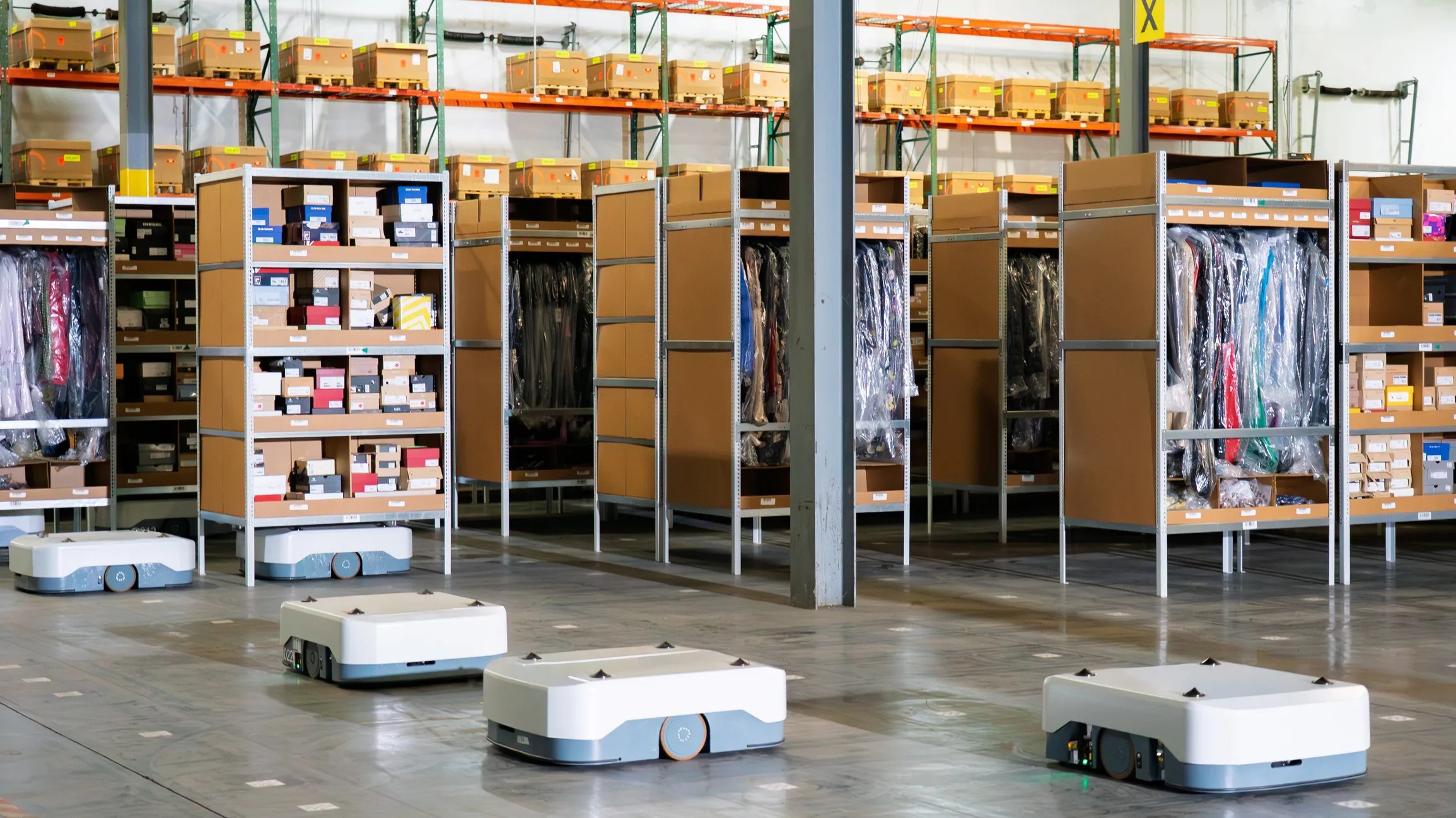
Industrial mobile robots (IMRs) are an important part of modern workplaces, helping organizations automate tasks and improve the movement of materials. In fact, 88% of end users already using robotics reported that the technology was somewhat or very successful at reducing repetitive employee tasks. As robots take on more routine work and become integrated into daily operations, assuring they are safely operated and maintained becomes essential. ANSI/A3 R15.08-3-2026, Industrial Mobile Robots – Safety Requirements – Part 3: Use of IMR Applications provides safety requirements for the use of IMR systems and applications, helping end users address risks throughout their operation and maintenance.
What Is ANSI/A3 R15.08-3-2026?
ANSI/A3 R15.08-3-2026 is Part 3 of the R15.08 series and focuses on the safe use of industrial mobile robot (IMR) applications. The American National Standard outlines user requirements for applying the information provided by the IMR manufacturer and system integrator to safely operate and maintain IMR applications and their operating environments. It also addresses the development of appropriate training and safe work procedures.
Users also play an important role in managing safety. ANSI/A3 R15.08-3-2026 calls for users to conduct a risk assessment, implement and maintain the risk reduction measures (RRMs) identified through that assessment, and maintain documentation of the risk assessment. These responsibilities also apply when users make changes to the IMR, its application, or its operating environment after deployment by the original supplier(s).
Which Mobile Robots Are Covered by R15.08 Part 3?
ANSI/A3 R15.08-3-2026 specifies safety requirements for the use of IMR Type A, B, and C systems and applications, as described in R15.08 Part 1. In this context, “mobile” refers to ground-based systems capable of navigating and traversing horizontal surfaces or a series of horizontal surfaces, such as steps or stairs, within their current operating environment.
Certain mobile robot applications fall outside the scope of ANSI/A3 R15.08-3-2026. These include airborne and waterborne systems; systems permanently mounted on rails or gantries; mobile platforms operated solely through manual control, such as continuous human remote or local control; and non-industrial mobile robots.
ANSI/A3 R15.08 Standards Series for Industrial Mobile Robots (IMR)
The R15.08 series is a set of U.S. national safety standards for industrial mobile robots (IMRs) and autonomous mobile robots (AMRs) operating in workplaces like warehouses and factories. The series is split into three main parts to cover different responsibilities in the deployment lifecycle:
- Part 1, ANSI/A3 R15.08-1-2020 (R2026), specifies safety requirements for the IMR to be produced by the manufacturer.
- Part 2, ANSI/A3 R15.08-2-2023, specifies safety requirements for integrating IMR systems and applications.
- Part 3, ANSI/A3 R15.08-3-2026, describes user responsibilities for safe operation of IMR applications in the specific operating environment.
Robotics Adoption Is Expanding Across Industry
According to the International Federation of Robotics (IFR), 38,000 industrial robots were installed in the United States in 2025, an 11% increase from 2024. The growth was particularly strong outside traditional automotive applications, with the U.S. food industry seeing a 30% increase in robot installations. Globally, 542,000 industrial robots were installed in 2024, more than twice the number installed a decade earlier. The United States also had 307 robots per 10,000 manufacturing employees in 2025, ranking eighth worldwide in robot density.
Mobile robotics is also gaining momentum. In the U.S. packaging and processing industry, mobile robots accounted for 32% of robotics revenue in 2025 and are projected to reach 45% by 2031. Meanwhile, robotics adoption among surveyed end users is expected to increase from 72% to 95% by 2031.
As robotics become more integrated into industrial operations, safe operation and maintenance become increasingly important. ANSI/A3 R15.08-3-2026 provides safety requirements for IMR applications, helping end-users operating IMRs manage risk in everyday workplace operations.
Where to Find ANSI/A3 R15.08-3-2026
ANSI/A3 R15.08-3-2026, Industrial Mobile Robots – Safety Requirements – Part 3: Use of IMR Applications is available on the ANSI Webstore, the best place to buy A3 Standards.
ANSI/A3 R15.08-3-2026 is also available in the following Standards Packages:
ANSI/A3 R15.06-2025 (Parts 1+2) / ANSI/A3 R15.06-3-2025 (Part 3)
Industrial Robots and Robot Systems – Safety Requirements (Parts 1, 2, and 3)
ANSI/A3 R15.08-3-2026 was developed by The Association for Advancing Automation (A3).
Please direct any technical questions relating to this American National Standard to the developer. You can find the contact information for all ANSI-accredited standards developers here: List of ANSI-Accredited Standards Developers (ASDs).
For further information, please refer to: Who to Contact for Standards Related Questions.