Christmas Tree Fire Safety: Fire Retardant Treatments
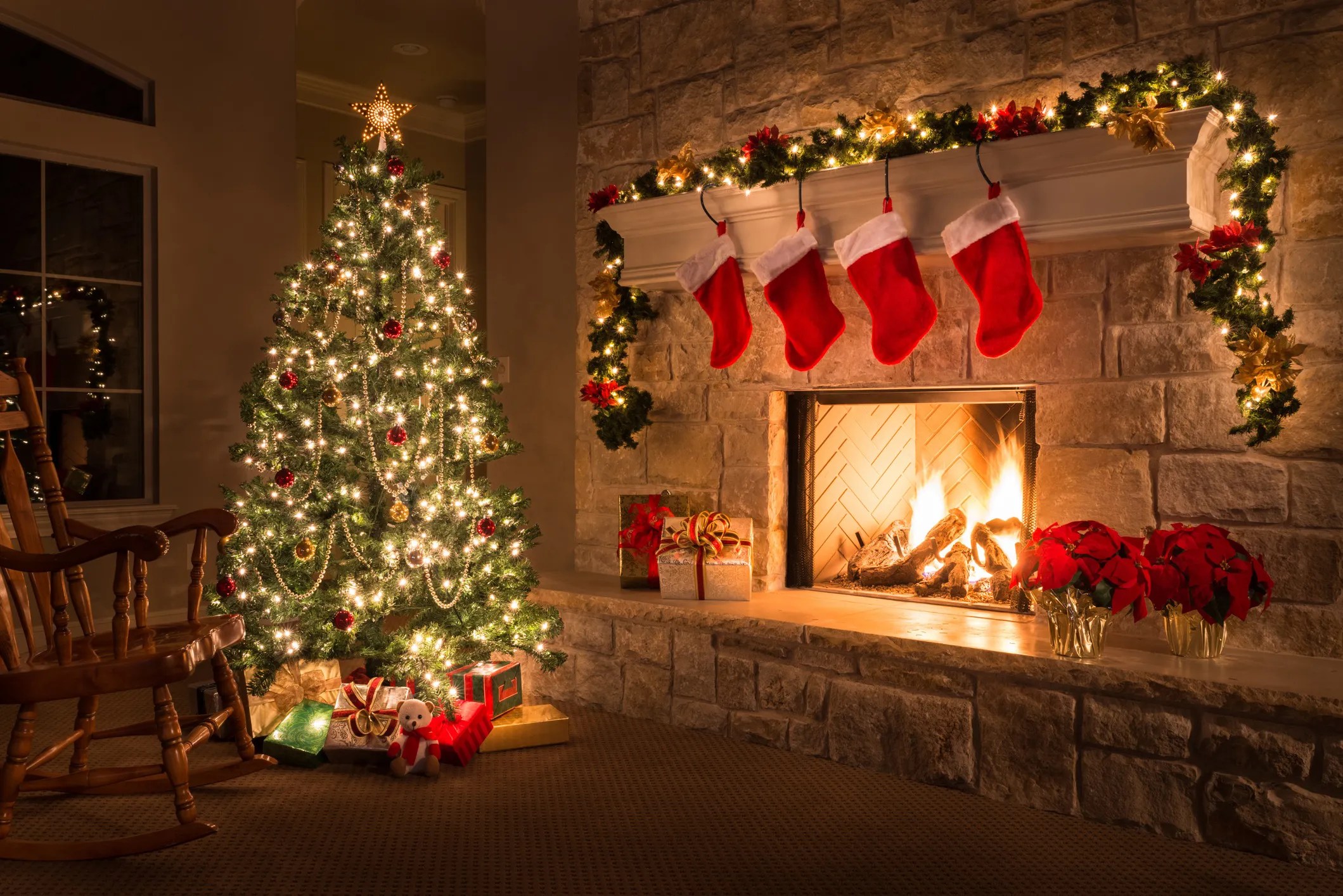
While the holiday season encompasses decorating, celebrating, and gathering with loved ones, festive décor can introduce fire hazards into the home. A dry natural Christmas tree can ignite and engulf a room in flames in less than a minute. Fire safety is therefore a critical component of making sure your holiday season is safe. One way to evaluate fire prevention measure for natural Christmas trees is with ASTM E3082-20, Standard Test Methods for Determining the Effectiveness of Fire Retardant Treatments for Natural Christmas Trees: a two-step testing process for determining the effectiveness of surface-applied fire retardant treatments on natural Christmas trees.
Defining Fire Retardant
A fire retardant is a substance that is used to slow down or stop the spread of fire or reduce its intensity. In the context of Christmas trees, fire retardant treatments slow combustion, thereby reducing the risk of an accidental holiday fire.
How Common Are Christmas Tree Fires?
Christmas tree fires are rare, accounting for less than 0.1% of all residential home fires in the U.S.. However, they do happen: between 2018 and 2022, fire departments in the United States responded to an annual average of 155 home structure fires caused by Christmas trees, which approximately resulted in four civilian deaths, seven civilian injuries, and $15 million in direct property damage each year.
When Christmas tree fires do happen, they grow very fast and cause serious damage.
What Is ASTM E3082-20?
ASTM E3082-20 is a fire-test-response standard. It provides a two-step testing process for determining the effectiveness of surface applied treatments for natural Christmas trees to improve fire test response:
- Method 1 (Detached Branch Test)
- Method 2 (Whole Tree Test)
You can learn more about ASTM E3082-20 in our blog post ASTM E3082-20: Christmas Trees Fire Retardant Treatments.
What Causes Christmas Tree Fires?
The National Fire Protection Association (NFPA) found that that electrical distribution or lighting equipment was involved in 41% of home Christmas tree fires, lamps or bulbs were responsible for 20% of these fires, and candles accounted for 11% of home Christmas tree fires. The NFPA also found that approximately 40% of Christmas tree fires started in the living room. These statistics highlight the importance of taking precautions when decorating and displaying natural Christmas trees, particularly when using electrical decorations, lighting, and candles.
Precautions to Take to Reduce the Risk of Christmas Tree Fires
Precautions to take to reduce the risk of Christmas tree fires include keeping natural trees discarding the tree after Christmas or when it is dry, adding water daily to the tree to keep it hydrated, cutting about 2 inches off the bottom of the trunk before placing the tree in the stand to improve water absorption, and positioning the tree at least 3 feet away from heat sources.
Where to Find ASTM E3082-20
ASTM E3082-20, Standard Test Methods for Determining the Effectiveness of Fire Retardant Treatments for Natural Christmas Trees is available on the ANSI Webstore, the best place to buy ASTM standards, as well as its reline version: ASTM E3082-20, Red Standard Test Methods for Determining the Effectiveness of Fire Retardant Treatments for Natural Christmas Trees (Standard + Redline PDF Bundle).
Learn More About Standards that Assure Your Holiday Season is Safe & Sustainable
Which Christmas Tree Is More Sustainable? Real vs. Fake
UL 588 Ed. 19-2015: Holiday Decorative Products
How ISO/TS 34700 Shapes Ethical Thanksgiving Turkeys
How ISO 22000 Helps Assure a Safe Thanksgiving Feast
Sustainable Holiday Shopping with ISO 59020 & ISO 59010
Managing Work Stress During the Busy Holiday Season
Thanksgiving & ISO 8601: How Date Standards Clarify Holidays