AORN MAN-836E-2020: Hand Hygiene Guidelines
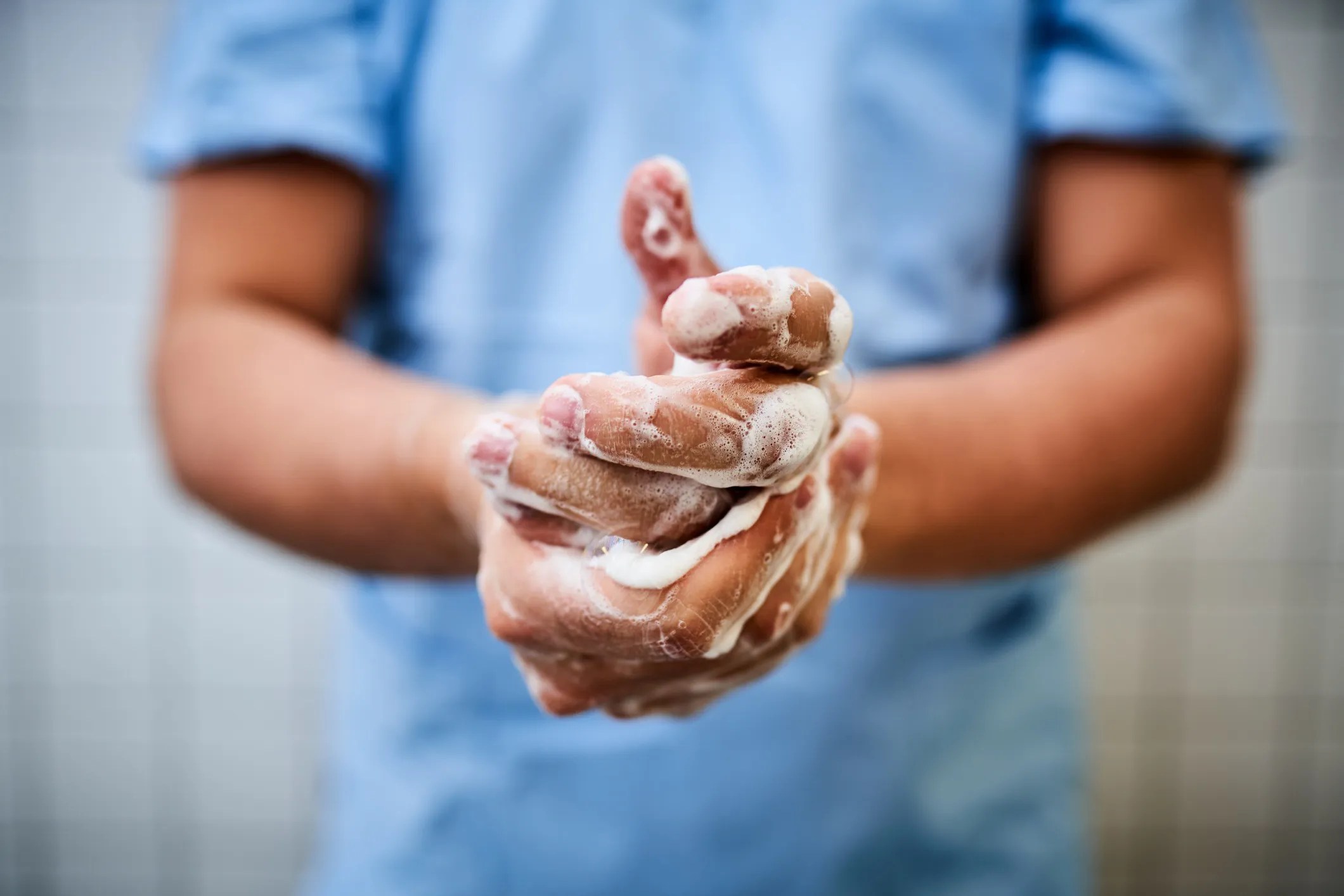
Hand hygiene is one of the simplest, most effective, and cost-effective ways to prevent the spread of healthcare associated infections (HAIs). These infections can result in untoward patient outcomes, such as morbidity and mortality, pain and suffering, longer lengths of hospital stay, delayed wound healing, increased use of antibiotics, and higher costs of care. Prevention of HAIs is consequently a top priority for all health care personnel. AORN MAN-836E-2020, Guideline for Hand Hygiene provides guidance for hand hygiene and surgical hand antisepsis in the perioperative setting, the total environment and span of time surrounding a surgical procedure.
Proper Hand Hygiene Prevents Surgical Infection
Proper hand washing and surgical hand antisepsis are especially important in perioperative environments, where healthcare professionals may encounter microorganisms through patient care and contact with contaminated surfaces. Because hands can carry both transient microorganisms on the skin’s surface and resident microorganisms in deeper skin layers, following appropriate hand hygiene protocols is essential to reducing infection risks and supporting patient safety. Maintaining proper hand hygiene practices like those detailed in AORN MAN-836E-2020 helps healthcare organizations strengthen infection prevention efforts and promote safer surgical outcomes.
What Is AORN MAN-836E-2020?
AORN MAN-836E-2020 provides perioperative registered nurses (RNs) and other perioperative team members with evidence-based practice guidance for hand hygiene and surgical hand antisepsis. This standard aims to promote patient and personnel safety and reduce the risk for health care–associated infections, especially surgical site infections (SSIs). It notes that hand hygiene, hand washing, and surgical hand scrubs are the most effective way to prevent and control infections and represent the least expensive means of achieving both.
Hand hygiene in health care settings other than the perioperative setting is outside the scope of AORN MAN-836E-2020.
How Often Should Healthcare Personnel Clean Their Hands?
A common challenge in the healthcare industry is keeping hands healthy and clean. Although some healthcare personnel may need to clean their hands as often as 100 times during a work shift to keep themselves, patients, and staff safe, hand hygiene is paramount as contaminated hands are the primary source of healthcare-associated infections (HAIs), with health agencies estimating that roughly 80% to 90% of common infectious diseases and healthcare-associated transmission occur via hand contact. This could be because, for instance, jewelry impeded the removal of microorganisms from the hands during hand hygiene or unhealthy skin or fingernails harbored microorganisms that were not properly removed.
However, despite these findings, adherence to effective hand hygiene practices can vary widely and is often quite low. This highlighting the importance of following established hand hygiene protocols like AORN MAN-836E-2020.
Where to Find AORN MAN-836E-2020
AORN MAN-836E-2020, Guideline for Hand Hygiene is available on the ANSI Webstore.