ANSI B11.26, ANSI B11.19 & ANSI B11.20: Machine Safety
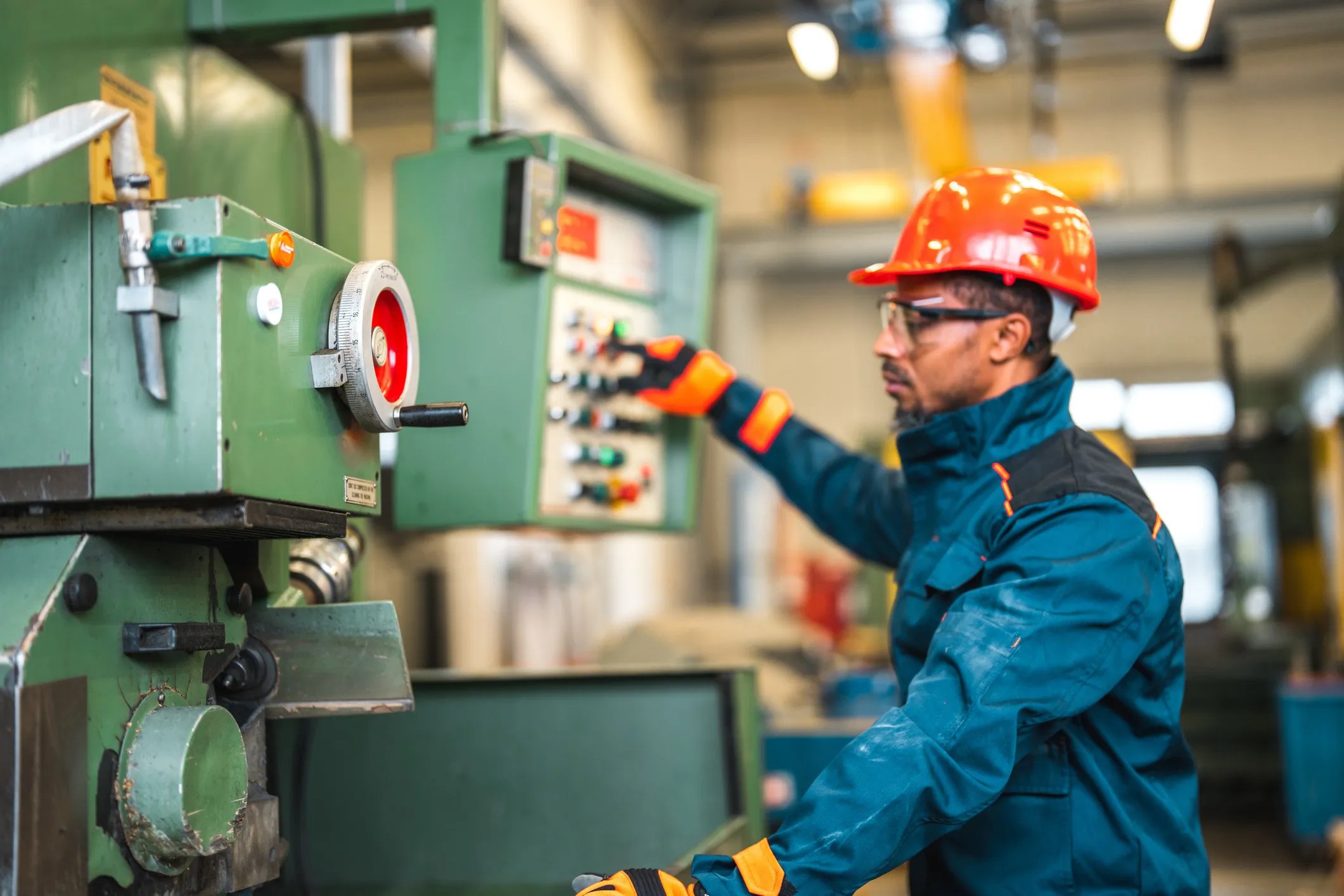
Machine-related accidents are a leading cause of severe occupational injuries and fatalities worldwide.By combining guidance on functional safety, safeguarding, and machinery integration ANSI B11.26 / ANSI B11.19 / ANSI B11.20 – Machine Safety Package provides a coordinated resource for professionals working to reduce machinery-related risks.
Understanding Machine Safety: Safeguarding, Functional Safety, and Integration
Machines pose a range of serious hazards present throughout the entirety of a machine’s lifecycle. Workers who operate and maintain machinery suffer approximately 18,000 amputations, lacerations, crushing injuries, abrasions, and over 800 deaths per year due to unguarded or inadequately guarded equipment. Besides safeguarding machines, assuring the functional safety of machines and safe machine integration are critical aspects of machine safety.
ANSI B11.26 / ANSI B11.19 / ANSI B11.20 – Machine Safety Package combines these machine safety aspects in one resource, helping organizations reduce risks and protect personnel. This Standards Package is especially useful for organizations seeking a more consistent, reliable approach to machinery safety across individual machines and integrated production systems.
What Is the ANSI B11.26 / ANSI B11.19 / ANSI B11.20 – Machine Safety Package?
Companies that embed machine safety into their design and operational processes are better positioned to protect workers, safeguard productivity, and remain competitive in an increasingly demanding market. ANSI B11.26 / ANSI B11.19 / ANSI B11.20 – Machine Safety Package delivers a comprehensive, standards-based framework for advancing machine safety across design, integration, and operational environments.
This Standards Package combines three essential standards—ANSI B11.26, ANSI B11.19, and ANSI B11.20—into a unified resource that supports a holistic approach to safeguarding machinery and protecting personnel. These American National Standards provide complementary guidance that spans risk reduction, functional safety, and the proper selection and application of safeguarding measures.
ANSI B11.26: Functional Safety of Machines
ANSI B11.26 provides requirements and guidance for the implementation of safety related control functions (also known as “functional safety”) as they relate to electrical, electronic, pneumatic, hydraulic, and mechanical components of control systems. It applies when a control system is used as a risk reduction measure.
ANSI B11.19: Performance Criteria for Safeguarding
ANSI B11.19 provides performance requirements for the design, construction, installation, operation, and maintenance of the risk reduction measures when applied to machines. This includes engineering controls, physical guards, light curtains, area scanners, and administrative control.
ANSI B11.20: Safe Machinery Integration
ANSI B11.20 specifies the safety requirements for the design, construction, installation, set-up, operation, maintenance, modification and decommissioning of integrated machinery systems—which incorporate two or more industrial machines.
Learn More about ANSI B11 Standards for Machine Safety
You can learn more about ANSI B11.26, ANSI B11.19, and ANSI B11.20 in our blog posts:
- ANSI B11.26-2024: Machines – Functional Safety
- ANSI B11.19-2019: Safeguarding and Machinery Risk Reduction
- ANSI B11.20-2017: Safety Requirements for Integrated Manufacturing Systems (IMS)
Where to Find Machine Safety Standards
ANSI B11.26 / ANSI B11.19 / ANSI B11.20 – Machine Safety Package is available on the ANSI Webstore.
ANSI B11.26, ANSI B11.19, and ANSI B11.20 were developed by B11 Standards.
Please direct any technical questions relating to this American National Standard to the developer. You can find the contact information for all ANSI-accredited standards developers here: List of ANSI-Accredited Standards Developers (ASDs).
For further information, please refer to: Who to Contact for Standards Related Questions.