
ANSI/HFES 200-2008: Human Factors in Software Design
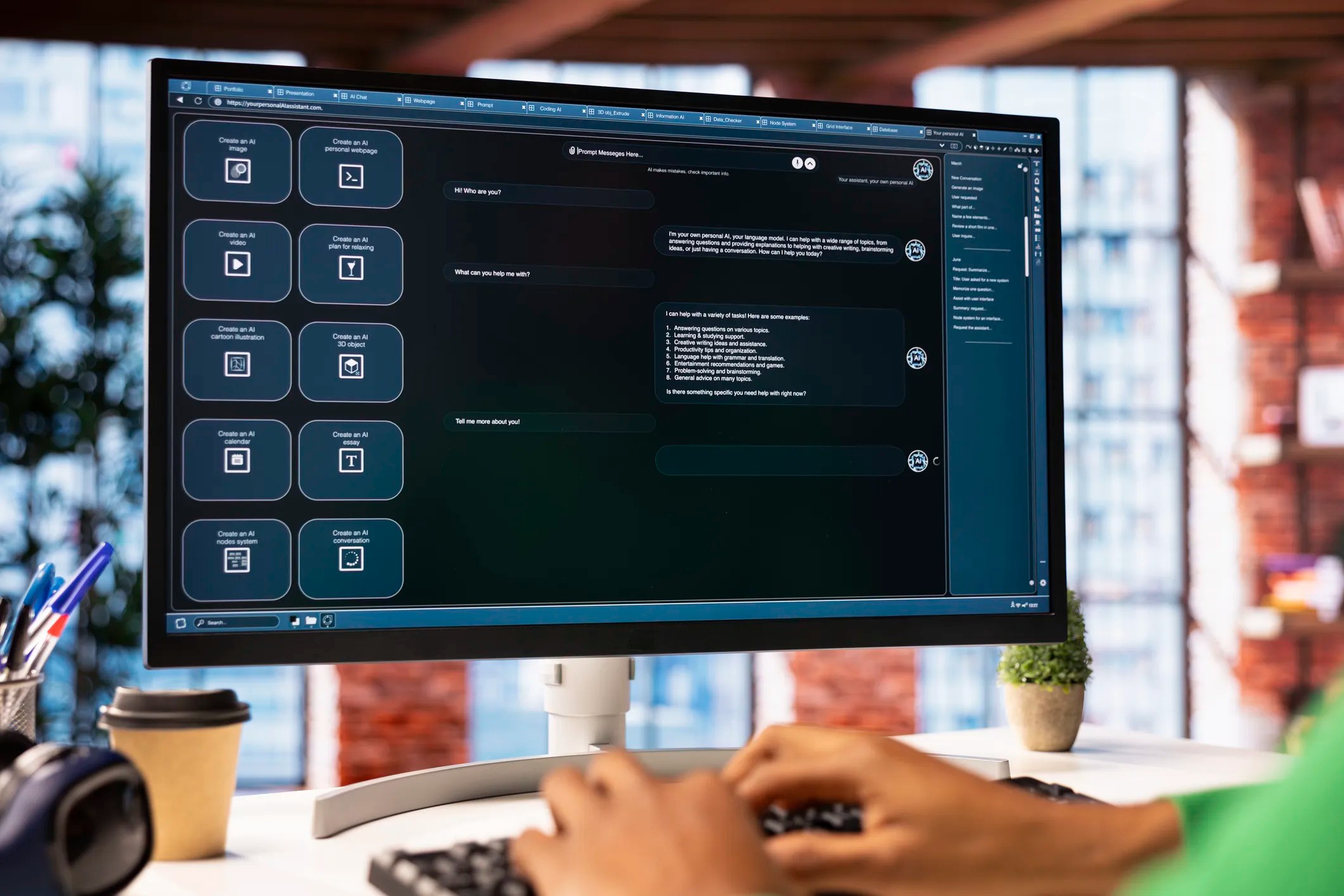
A well-designed software user interface helps people find information, navigate menus, enter data, and complete tasks with minimal confusion or unnecessary effort. When buttons, controls, instructions, and other interface elements are presented in a logical and consistent way, users can more easily understand what to do and accomplish their goals. ANSI/HFES 200-2008, Human Factors Engineering of Software User Interfaces provides design requirements and recommendations intended to improve the accessibility, learnability, and ease of use of software.
Human Factors Engineering in Software Design
Human factors engineering focuses on designing systems around the capabilities, limitations, and needs of the people who use them. In software, this means considering how users perceive information, learn interface functions, interact with controls, and complete tasks. Considering these factors during design helps organizations create interfaces that better support users and their intended tasks. It ensures that digital systems match human cognitive limits, sensory processing, and behavioral patterns to maximize safety, efficiency, and user satisfaction.
By providing recommendations for software user-interface design, ANSI/HFES 200-2008 helps make software more accessible, consistent, and easier to learn.
What Is ANSI/HFES 200-2008?
ANSI/HFES 200-2008 focuses on how people interact with software for personal, business, and educational use, particularly on a desktop PC or terminal. While developed with these environments in mind, many of this American National Standard’s recommendations also apply to home and mobile computing, interactive voice response applications, and other types of interactive software.
Although this standard does not specifically address certain specialized environments—including high-risk applications, nuclear power plant control rooms, alarm and security systems, process control, and entertainment—many of its recommendations may still be useful for improving the quality and usability of software in these settings. ANSI/HFES 200-2008 provides design requirements and recommendations that will increase the accessibility, learnability, and ease of use of software.
Who Is ANSI/HFES 200-2008 Designed For?
ANSI/HFES 200-2008 is designed with software end users in mind. Their needs serve as the foundation for its design recommendations, which aim to support user interfaces that are more usable, accessible, and consistent while promoting greater productivity and user satisfaction.
Addressing Accessibility in Software Design
Digital accessibility (i.e., the practice of designing and developing websites, mobile apps, digital documents, and other technology so that people with disabilities can use them) remains an ongoing challenge. The 2026 WebAIM Million analysis found that 95.9% of the top one million home pages had detectable accessibility issues. The most common issues included low-contrast text, missing alternative text for images, and missing form-input labels. While these findings apply specifically to web pages rather than software applications, they illustrate how accessibility barriers can persist in digital interfaces when accessibility is not adequately addressed during design.
The recommendations in ANSI/HFES 200-2008 Part 2, Accessibility, focus on features and functions of computer operating systems, drivers, application services, other software layers upon which applications depend, and software applications, that increase the accessibility of applications for users with disabilities.
Where to Find ANSI/HFES 200-2008
ANSI/HFES 200-2008, Human Factors Engineering of Software User Interfaces is available on the ANSI Webstore.
ANSI/HFES 200-2008 was developed by the Human Factors and Ergonomics Society (HFES).
Please direct any technical questions relating to this American National Standard to the developer. You can find the contact information for all ANSI-accredited standards developers here: List of ANSI-Accredited Standards Developers (ASDs).
For further information, please refer to: Who to Contact for Standards Related Questions.