ANSI/A3 R15.08-2-2023: Integrating Industrial Mobile Robots
Mobile robotics is gaining momentum: industrial robots represented 63% of the market in 2025, followed by mobile robots at 32% and collaborative robots at 5%,…

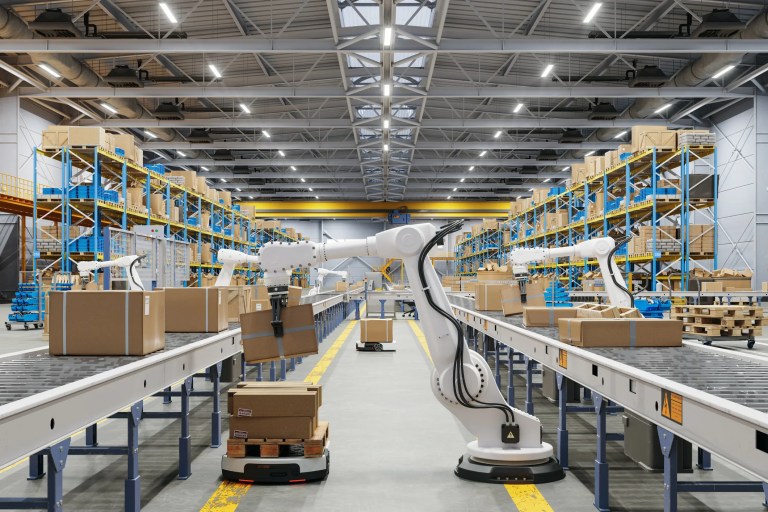
Mobile robotics is gaining momentum: industrial robots represented 63% of the market in 2025, followed by mobile robots at 32% and collaborative robots at 5%,…
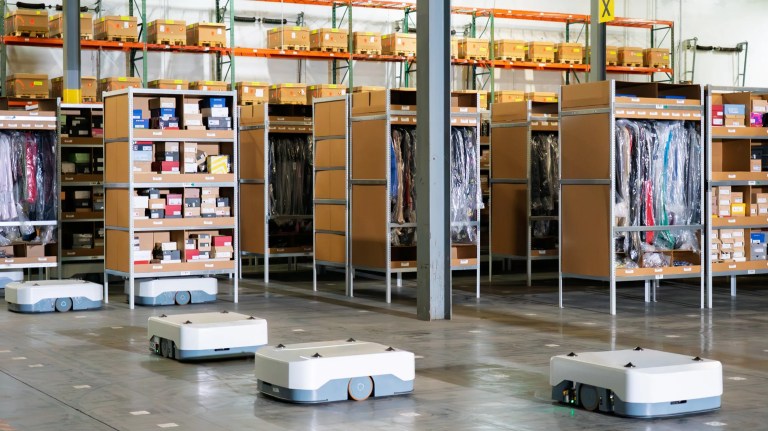
Industrial mobile robots (IMRs) are an important part of modern workplaces, helping organizations automate tasks and improve the movement of materials. In fact, 88% of…
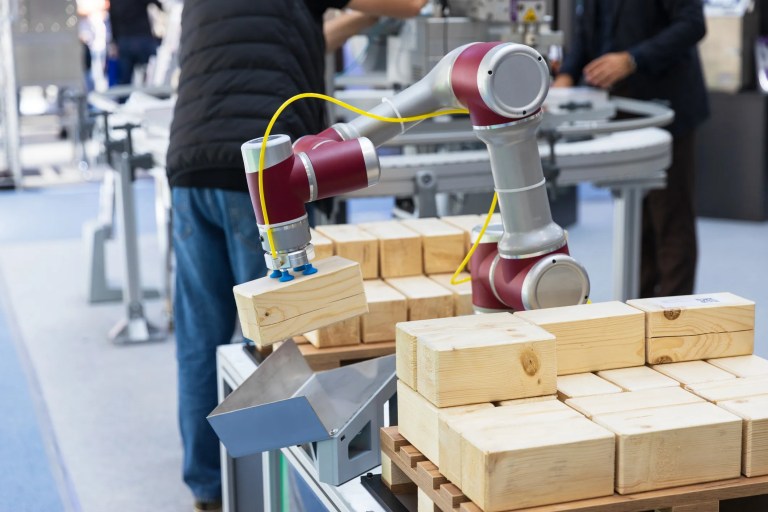
More than 4.2 million industrial robots have been deployed worldwide as of 2023, with the number of new installations continuing to grow globally across various industries—…
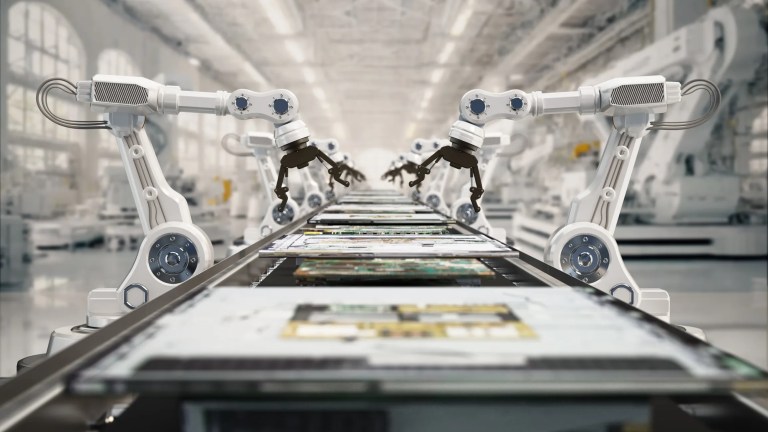
What makes Artificial Intelligence (AI) so compelling is its ability to breathe life into machines, enabling robots to make decisions independently, learn from experiences, and…

Manufacturing challenges like labor shortages, rising costs, higher consumer demand, and global marketplaces have renewed the push for companies to be automated. Industrial robots are…
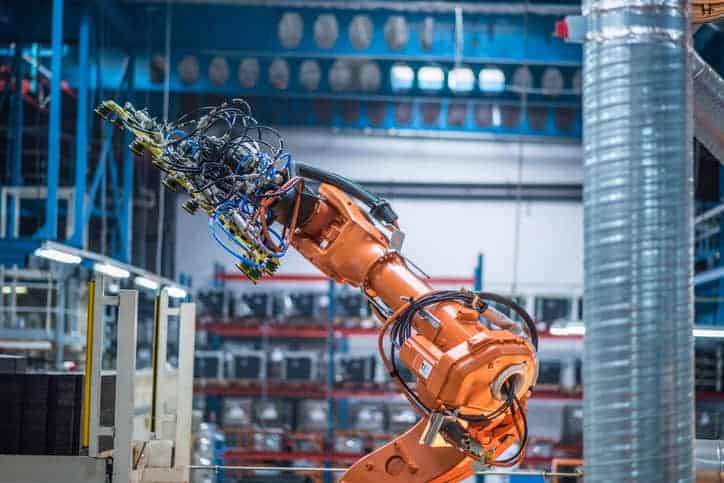
Thanks to often-sensationalized discussions inspired at least science fiction, the idea of a robotic singularity is typically associated with the technological singularity. Basically, this concept…
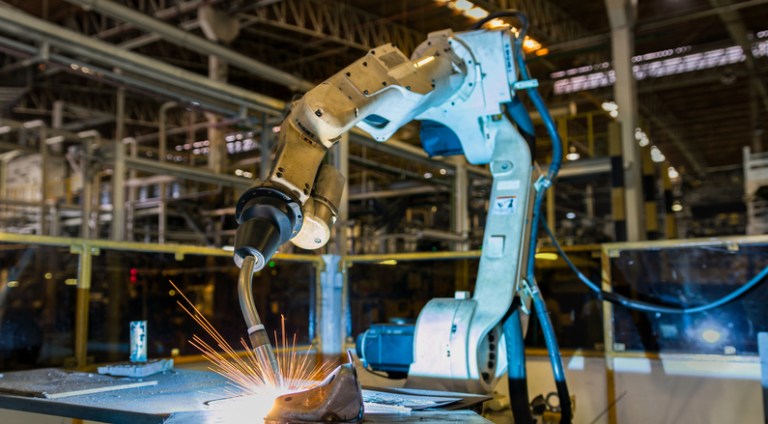
What are Industrial Robots? The word “robot” derives from the Old Church Slavonic word rabota, meaning “servitude,” with its origin with the 1920 play “R.U.R.”…

Thomas B. Sheridan, a pioneer of robotics and remote control technology, defined a robot as “a machine that senses and acts upon its environment autonomously,…

Collaborative robots are designed to be used in “collaborative workspaces” with humans. Collaborative operations offer many notable advantages over other robotics procedures, but they require…