ANSI GPTC Z380.1-2025: Gas Pipeline Systems Guide
The safe and reliable operation of natural gas infrastructure is critical to energy delivery across the United States. From large interstate transmission pipelines, local distribution…

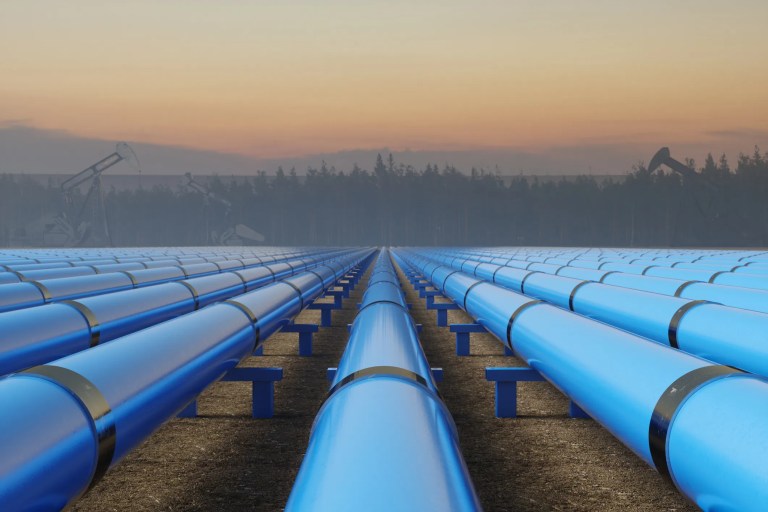
The safe and reliable operation of natural gas infrastructure is critical to energy delivery across the United States. From large interstate transmission pipelines, local distribution…
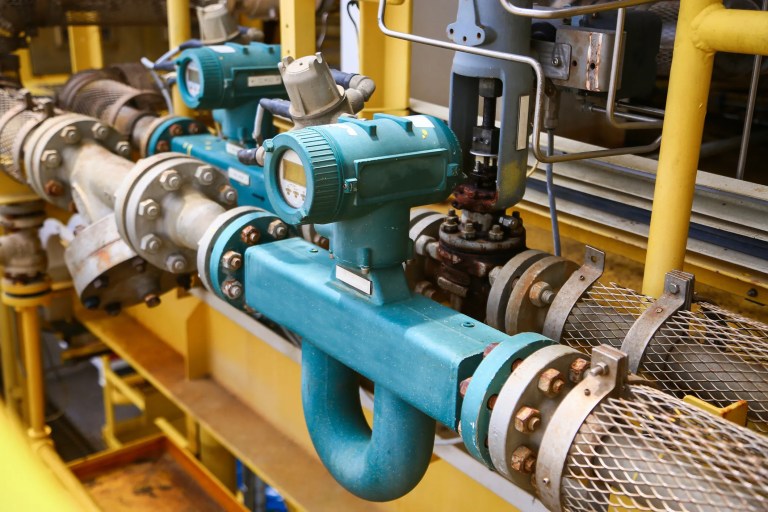
In the natural gas industry, even small measurement inaccuracies can create major financial and operational consequences. Metering errors of just 2–3%—often caused by improper installation,…
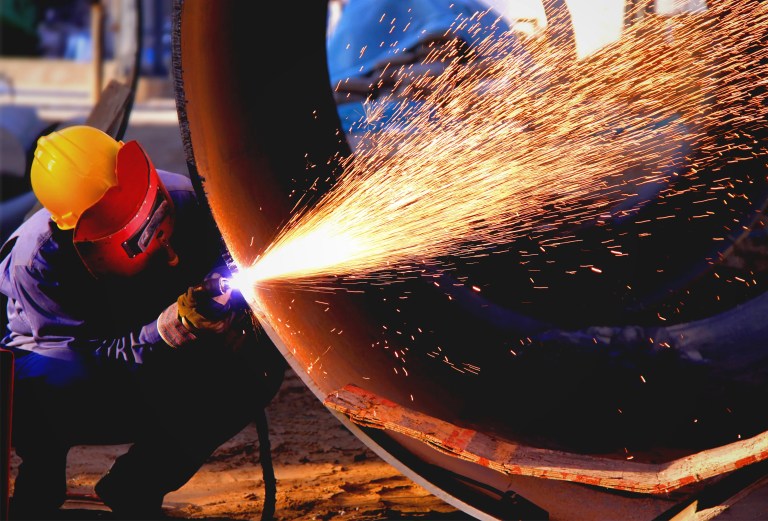
An American National Standard developed and published by the Manufacturers Standardization Society (MSS) of the Valve and Fittings Industry, Inc., MSS SP-44, has been revised. The…

Examples of process equipment popularly used in industries—such as refineries, chemical plants, and wastewater treatment plants—are pumps, valves, vessels, filters, coolers, boilers, engines, compressors, storage…
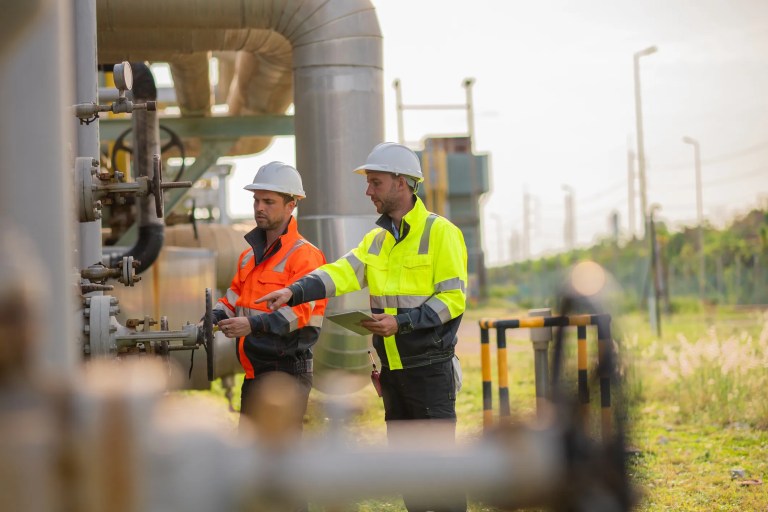
66% of crude oil and refined products in the United States are delivered via pipelines, and nearly all natural gas is moved through pipelines. Products…
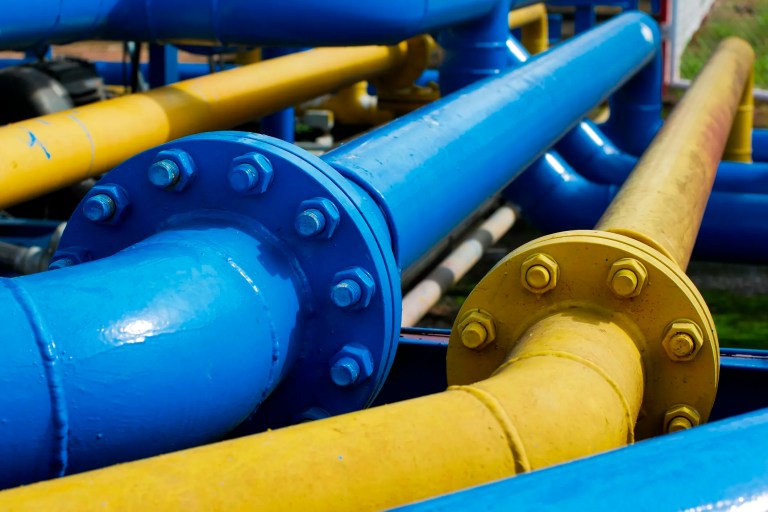
Pipe flanges are integral for providing support, sealing and/or blocking of the flow of fluids, and allowing for the attachment of other items in a…

For developing a Pipeline Personnel Qualification Program, professionals turn to ASME B31Q-2021: Pipeline Personnel Qualification. The Advantages of Pipelines for Hazardous Liquid Transport Several options…
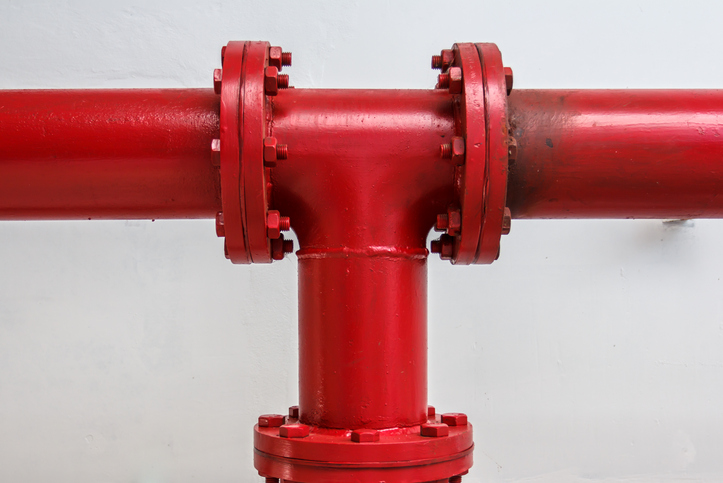
“ANSI class” is the designation for pressure-temperature ratings of pipe flanges. In its denotation, the word Class is followed a by dimensionless number. This includes…
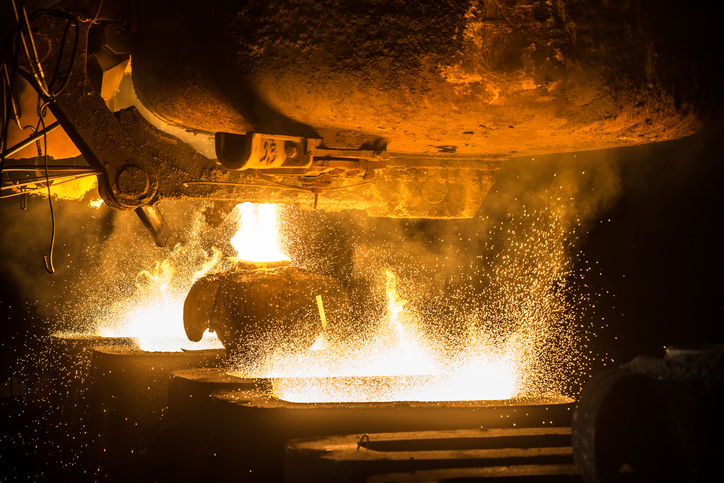
If human eyes could examine the world on the atomic level, they’d witness a competing collection of tiny particles joining together, reacting or fortifying one…