Importance of Protective Footwear: Understanding ASTM F2413
60,000-foot injuries—including broken toes and feet, puncture wounds, cuts, severed toes, burns, electric shocks, and sprains or fractures—are responsible for keeping people from work each…

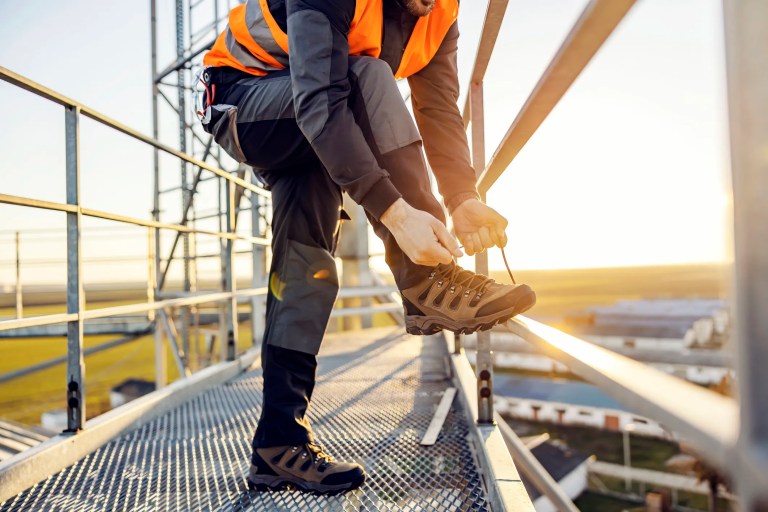
60,000-foot injuries—including broken toes and feet, puncture wounds, cuts, severed toes, burns, electric shocks, and sprains or fractures—are responsible for keeping people from work each…
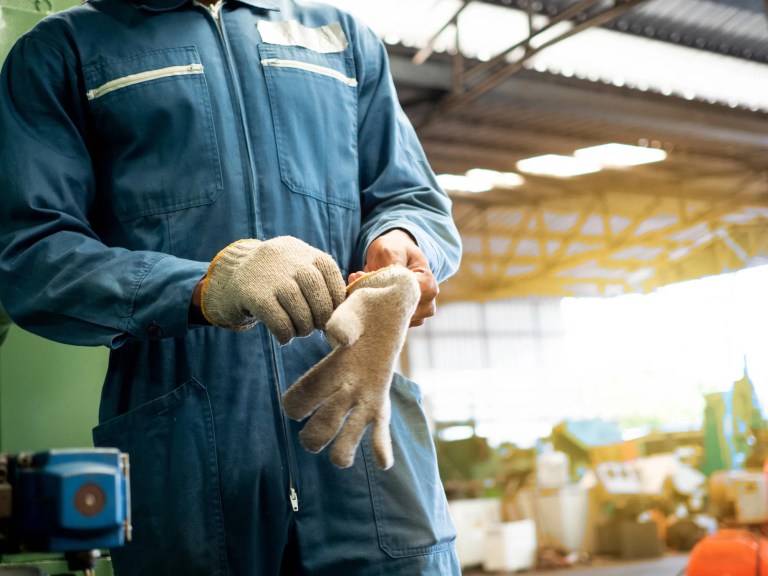
On factory floors, construction sites, and recycling lines, workers routinely handle sharp metal, broken glass, and abrasive materials that can cause serious hand injuries in…
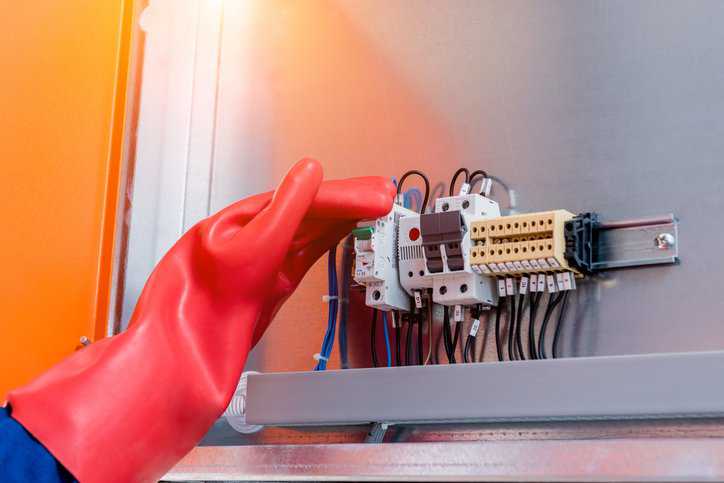
5.6% of workplace fatalities were caused by contact with electricity—one of the leading causes of fatalities in the workplace. To keep workers safe, there are…
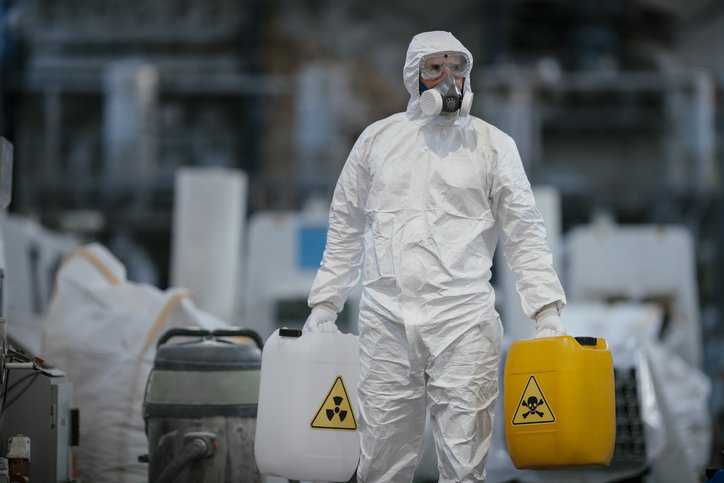
Disposable coveralls provide full-body protection against contaminants, particulates, chemicals, biological agents, hazardous materials, and various other dangerous elements. Not only do they provide superior protection,…

Conformity assessment systems are important because they provide confidence to buyers, sellers, consumers, and regulators that products, services, and systems meet specific requirements. This confidence helps assure…
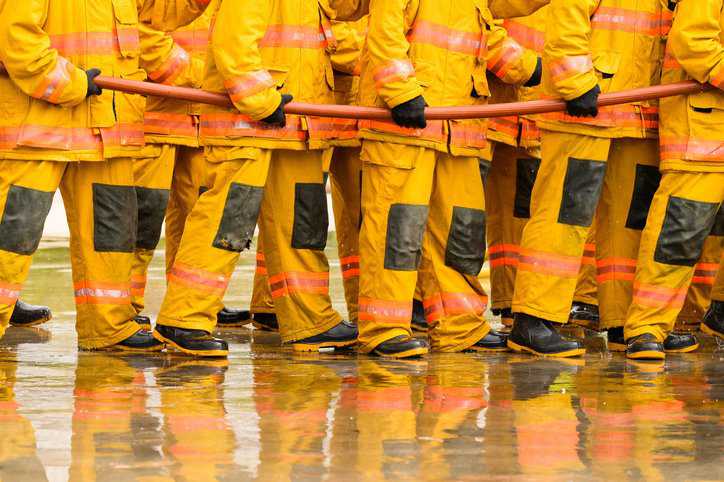
For many professionals, flame-resistant (FR) clothing is an essential tool of the job. High-quality, specially engineered FR garments protect the wearer from burns caused by…
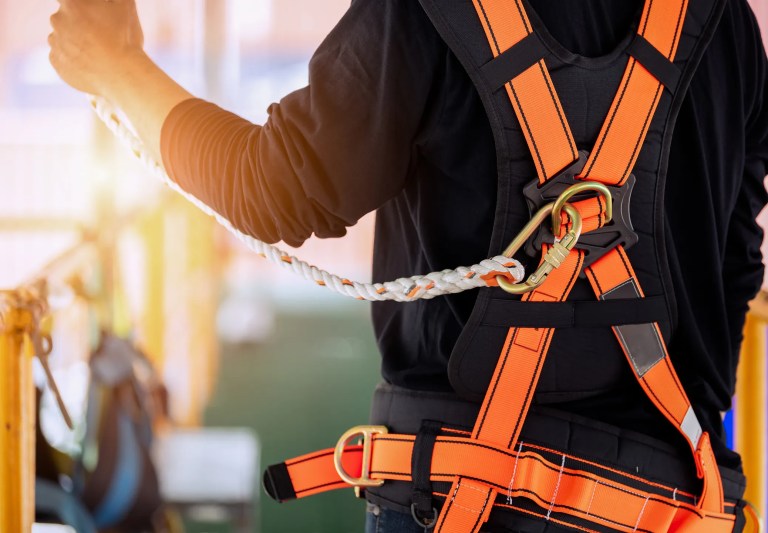
Falls are among the most common causes of serious work-related injuries and deaths. Each year roughly 300-400 construction workers fall to their deaths, usually when…
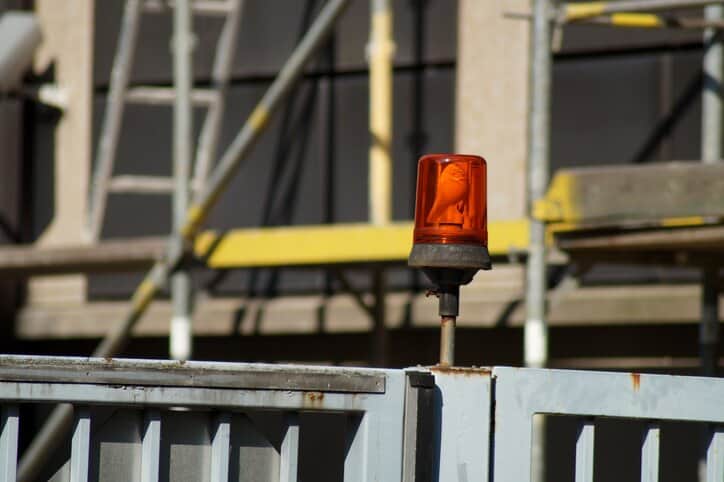
A Criticality Accident Alarm System (CAAS) is installed as part of criticality safety management for use in reducing the radiation workers could be exposed to…
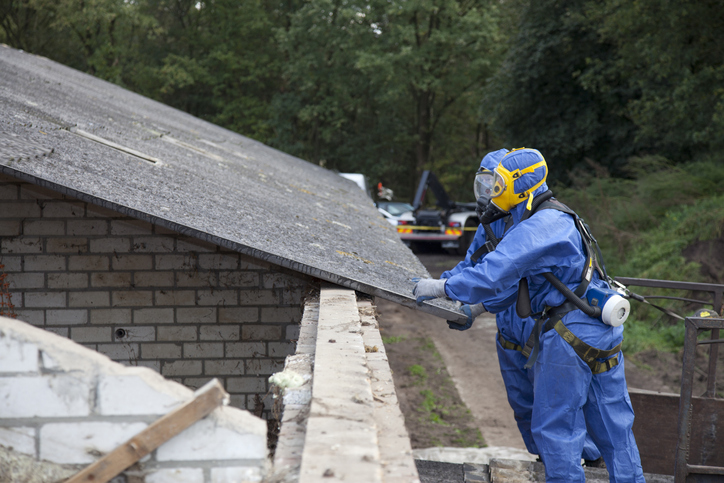
Personal Protective Equipment (PPE) is vital to those who specialize in the maintenance or removal of toxins like asbestos. When asbestos resides in dilapidated or…