AAMI CR515:2025—Cybersecurity in ML Medical Devices
While medical devices are designed to heal, monitor, or save lives, they could instead become a tool for harm if compromised. The healthcare sector is…


While medical devices are designed to heal, monitor, or save lives, they could instead become a tool for harm if compromised. The healthcare sector is…

Medical devices range from simple bandages to complex implantable devices like pacemakers and prosthetics. Regardless of their complexity, all medical devices must undergo rigorous testing…
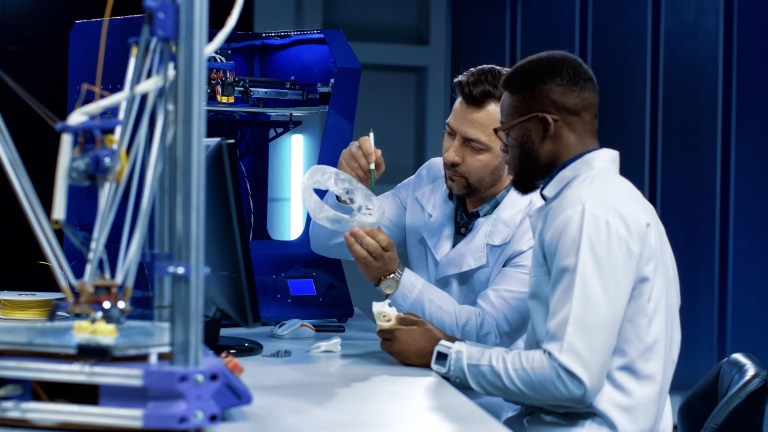
Medical devices are essential to modern healthcare, but their safety and effectiveness rely heavily on human factors engineering (HFE). HFE helps reduce use errors (a…

When disasters strike, emergency medical services (EMS) clinicians are among the first to respond. Whether stabilizing a patient at the scene of an accident or…
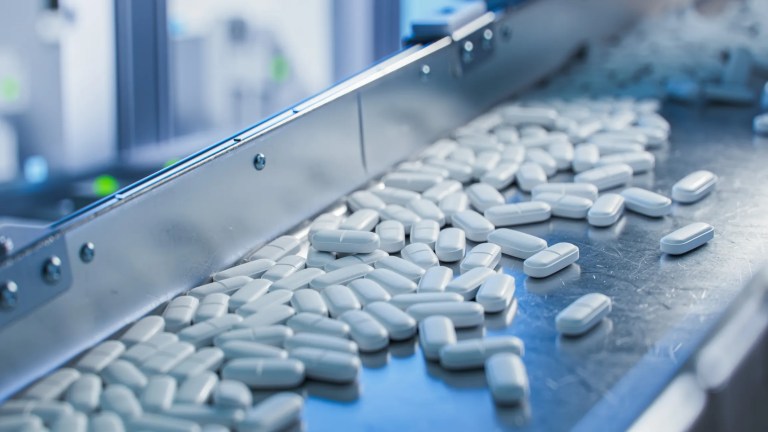
What Are Pharmaceutical Excipients in NSF/IPEC/ANSI 363? Pharmaceutical excipients are essential to the safety, quality, and efficacy of drug products, as they impact a variety…
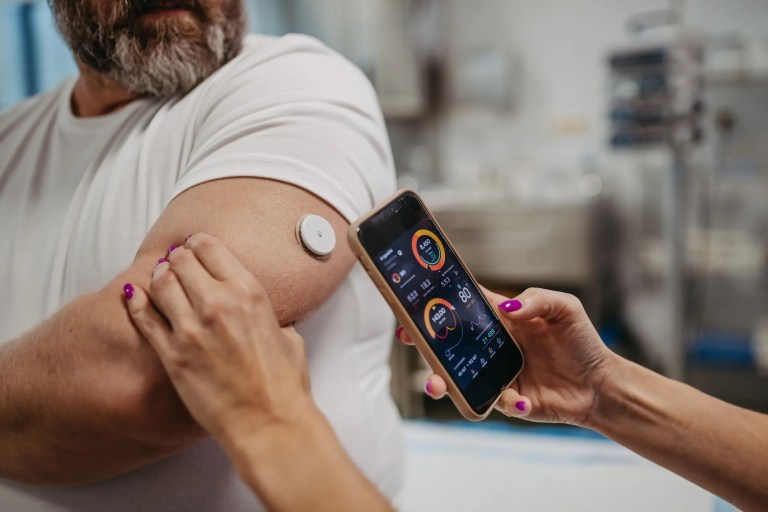
A growing number of people with diabetes are turning to wireless diabetes devices to monitor and manage their condition in an automated fashion. As diabetes…
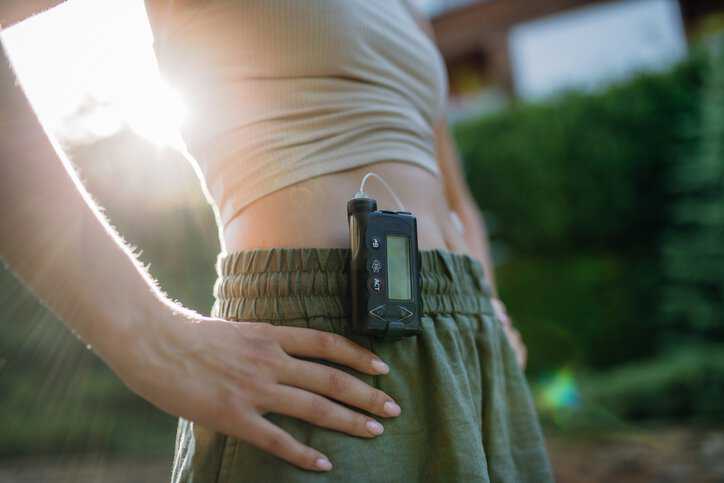
Insulin pumps can be recommended for people with diabetes who have trouble managing their blood sugar levels or who have a lifestyle that makes it difficult…
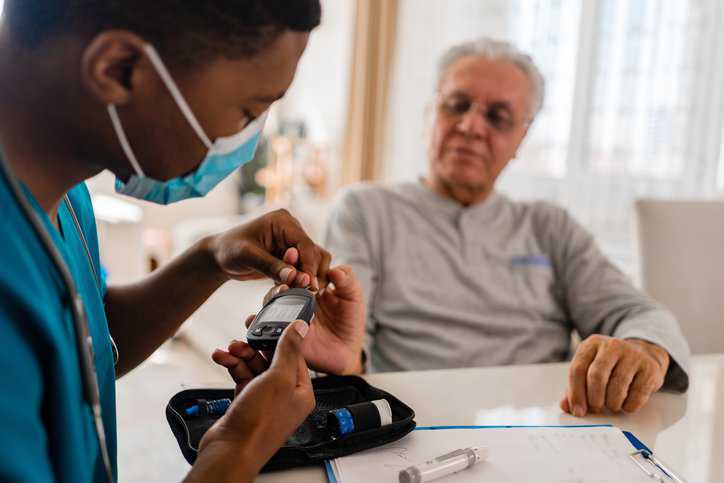
In vitro means “in glass.” As such, in vitro diagnostics are tests usually conducted in test tubes and similar instruments. In vitro diagnostics (IVD) can…

38.4 million people have been diagnosed with diabetes in the United States. The number of people diagnosed with diabetes in the U.S. has increased in recent…