Uniform Plumbing Code (IAPMO/ANSI UPC 1-2027)
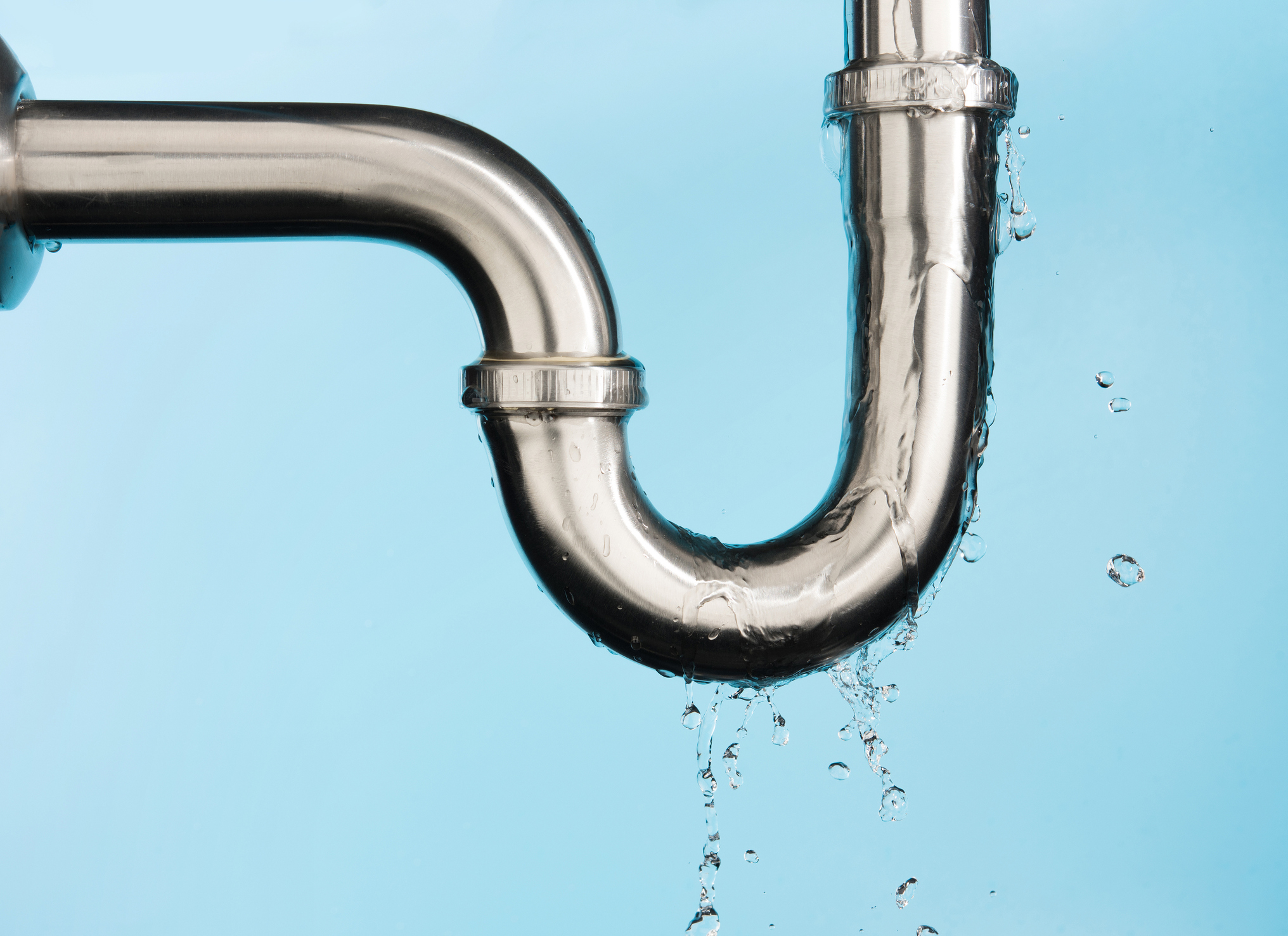
If extraterrestrials landed on Earth, across homes, they would find furniture designed for similar purposes, lights in typical placements, an affinity for screens, and, of course, small rooms of porcelain and faucets. Plumbing systems are crucial; therefore, so is the Uniform Plumbing Code, or IAPMO/ANSI UPC 1-2027.
Plumbing systems have advanced over time, but they have functioned since antiquity. In fact, the Cloaca Maxima, the ancient Roman sewer system constructed in the 6th Century BC, is still in use today. In the U.S., the first waterworks emerged in Philadelphia in 1802, and other major cities throughout the nation created similar water and sewage systems during the decades that followed.
Centuries of development in the New World and millennia of improvements across the globe have advanced plumbing systems, but they have also introduced numerous avenues for differentiation. The need for harmonization within the plumbing industry, not only for comfort in the home but also public health and sanitation, gives purpose to the Uniform Plumbing Code.
What is the Uniform Plumbing Code?
IAPMO/ANSI UPC 1-2027, Uniform Plumbing Code provides minimum requirements and standards to protect public health, safety, and welfare. Its provisions are applicable to the erection, installation, alteration, repair, relocation, replacement, use, or maintenance of plumbing systems.
The advantages of a Uniform Plumbing Code are recognized across the industry, which can undergo disorder when widely divergent plumbing practices and codes are utilized. The need for harmonization throughout the plumbing industry culminated in the initial adoption of the Uniform Plumbing Code by IAPMO in 1945.
Changes to IAPMO/ANSI UPC 1-2027
IAPMO/ANSI UPC 1-2027 is the thirty-first edition of the Uniform Plumbing Code and the ninth edition to be developed under the ANSI consensus process. The UPC updates every three years.
In revising the 2024 edition of the code, IAPMO/ANSI UPC 1-2027 went through the following changes:
- New provisions for adult changing stations
- New provisions for laminar flow faucets in healthcare facilities
- New provisions for sizing of dual-purpose and instantaneous (tankless) water heaters
- New provisions for flow-through expansion tanks in water supply and distribution systems
- New provisions for pitless adapters, pitless units, and well caps
- New provisions for vacuum testing of drainage and vent systems
- New provisions for rehabilitation of existing building sewer and storm sewer piping
- Updated graywater system provisions addressing soil infiltration rates for nonpotable applications
- Updates to Appendix N, which is now titled, “Minimum Requirements to Address Scalding Potential and Legionella Growth in Plumbing Systems”
- New Appendix Q, “The Safe Operation, Closure and Reopening of Building Water Systems”
- New Appendix U, “Recommended Practice for Hydrogen Fuel Gas Piping”
- New Appendix V, “Direct Potable Water Reuse”
Chapters of IAPMO/ANSI UPC 1-2021
The Uniform Plumbing Code’s format keeps the user in mind. Each chapter of IAPMO/ANSI UPC 1-2021 is dedicated to a specific subject matter. However, several chapters focus on broader components pertinent to the entire document—Chapter 1 details administration, Chapter 2 offers definitions, Chapter 3 is dedicated to general requirements that are applicable to every chapter, and Chapter 17 features a list of referenced standards.
Other subject matters are divided throughout IAPMO/ANSI UPC 1-2021 as:
- Chapter 4, Plumbing Fixtures and Fixture Fittings
- Chapter 5, Water Heaters
- Chapter 6, Water Supply and Distribution
- Chapter 7, Sanitary Drainage
- Chapter 8, Indirect Wastes
- Chapter 9, Vents
- Chapter 10, Traps and Interceptors
- Chapter 11, Storm Drainage
- Chapter 12, Fuel Gas Piping
- Chapter 13, Health Care Facilities and Medical Gas and Medical Vacuum Systems
- Chapter 14, Firestop Protection
- Chapter 15, Alternate Water Sources for Nonpotable Applications
- Chapter 16, Nonpotable Rainwater Catchment Systems
Each chapter delves into its respective topic and outlines information pertinent to meeting the code for each subject in pursuit of assuring public health.
For example, Chapter 4 regulates the minimum number of plumbing fixtures of a specific type and quality; Chapter 5 deals with the design, approval, installation, and safety of fuel burning and other water heaters with combustion air requirements for ventilation and dilution of flue gases; Chapter 6 covers the design, materials, and installation of water supply and distribution systems, including residential fire sprinklers; and Chapter 7 details the design and installation of sanitary drainage systems so they work as intended.
Appendices of IAPMO/ANSI UPC 1-2027
Furthermore, IAPMO/ANSI UPC 1-2021 contains numerous appendices. The provisions found in these sections supplement the requirements of the Uniform Plumbing Code, but are not to be considered part of the code, unless formally adopted as such. The appendices in the UPC include:
- Appendix A, Recommended Rules for Sizing the Water Supply System
- Appendix B, Explanatory Notes on Combination Waste and Vent Systems
- Appendix C, Alternate Plumbing Systems
- Appendix D, Sizing Storm Water Drainage Systems
- Appendix E, Manufactured/Mobile Home Parks and Recreational Vehicle parks
- Appendix F, Firefighter Breathing Air Replenishment Systems
- Appendix G, Sizing of Venting Systems
- Appendix H, Private Sewage Disposal Systems
- Appendix I, Installation Standards
- Appendix J, Combination of Indoor and Outdoor Combustion and Ventilation Opening Design
- Appendix K, Potable Rainwater Catchment Systems
- Appendix L, Sustainable Practices
- Appendix M, Peak Water Demand Calculator
- Appendix N, Minimum Requirements to Address Scalding Potential and Legionella Growth in Plumbing Systems
- Appendix O, Non-Sewered Sanitation Systems
- Appendix P, Professional Qualifications
- Appendix Q, The Safe Operation, Closure and Reopening of Building Water Systems
- Appendix R, Indoor Horticultural Facilities
- Appendix S, Tiny Houses
- Appendix T, Onsite Stormwater Treatment Systems
- Appendix U, Recommended Practice for Hydrogen Fuel Gas Piping
- Appendix V, Direct Potable Water Reuse
Which States Adopt the Uniform Plumbing Code?
Past editions of the Uniform Plumbing Code have been adopted by several states, including California, Iowa, Montana, Nevada, New Mexico, Oregon, South Dakota, New Jersey, and Texas. Several cities around the nation have adopted the code as well.
Please note that the new code being published is not the same as the new code being adopted. It becomes enforceable when a city or state chooses to adopt it.
Where to Download the Uniform Plumbing Code
IAPMO/ANSI UPC 1-2027, Uniform Plumbing Code is available on the ANSI Webstore.
Questions About IAPMO/ANSI UPC 1-2027?
IAPMO/ANSI UPC-2027 was developed by the International Association of Plumbing and Mechanical Officials (IAPMO).
Please direct any technical questions relating to this American National Standard to the developer. You can find the contact information for all ANSI-accredited standards developers here: List of ANSI-Accredited Standards Developers (ASDs).
For further information, please refer to: Who to Contact for Standards Related Questions.




Wow, what an insightful article! I had no idea that the Uniform Plumbing Code (IAPMO/ANSI UPC 1-2021) was such a comprehensive guide, serving as a minimum standard for plumbing systems to ensure public health and safety. It’s great to know that the code undergoes regular updates to ensure its relevance. I appreciate the breakdown of the 17 chapters and additional appendices that supplement the main code. It’s impressive to see that states like Alaska, Hawaii, and Iowa have already adopted the code. Thank you so much for sharing such valuable information. This article sheds light on a vital aspect of infrastructure development. Kudos to the writer for their excellent work!
What is the code for under sink vents, a diaphragm vent for a single sink