The Strain of Aging Industrial Electrical Equipment
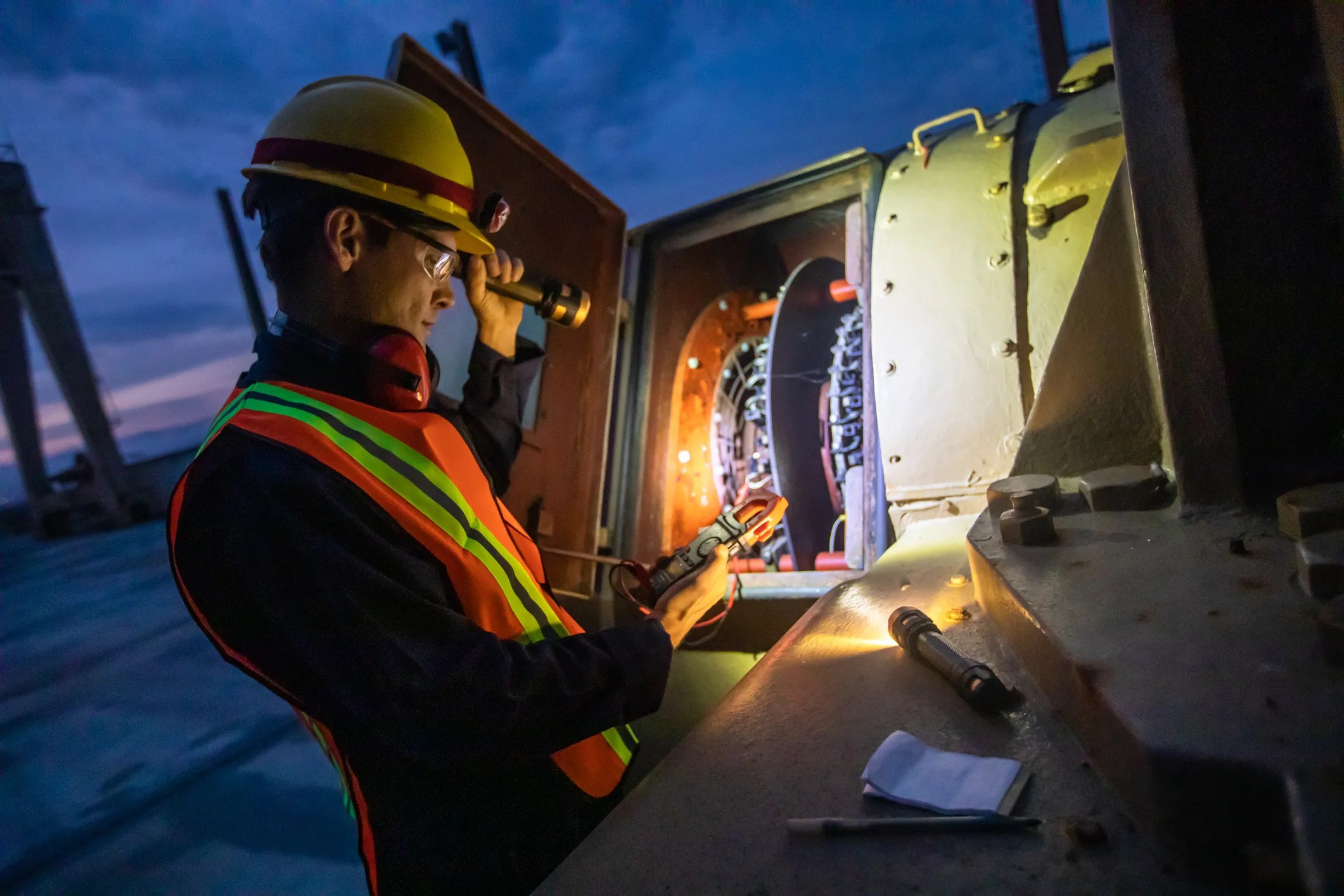
In any industrial plant, electrical systems form the foundation of daily operations. They drive motors, enable automation, and support continuous production. As these systems grow older, however, their dependability can gradually decline. Equipment that once operated smoothly may begin demanding more service time, more frequent repairs, and more unexpected shutdowns. Aging electrical infrastructure can steadily become a major source of inefficiency, affecting productivity and workplace safety.
The Hidden Impact of Aging Electrical Equipment
The impact of aging components goes far beyond what is visible on the surface. Over years of service, terminations can loosen, insulation can break down, and internal resistance can rise. Equipment may still appear functional, yet underlying performance may deteriorate. Variations in power quality, including voltage inconsistencies, harmonic distortion, or unexplained breaker trips, may start to occur. These issues are easy to overlook until they disrupt production or introduce safety risks. Responding only after a failure costs far more than planning upgrades or replacements in advance.
Maintenance teams often work diligently to extend the life of legacy systems, but this effort can become less effective over time. Replacement parts for outdated components may be difficult to obtain and might not align with current engineering or safety expectations. At the same time, the hours spent diagnosing and repairing older equipment could be redirected toward system improvements elsewhere in the facility.

How to Plan for Aging Electrical Equipment
Taking a broader view of infrastructure health can change the decision-making process. Modern electrical systems offer benefits that extend beyond basic reliability. Updated designs often include improved energy efficiency, advanced protection capabilities, and compatibility with condition monitoring tools. These features make it possible to identify developing issues before they interrupt production. Additionally, refurbished equipment can provide an interim solution between maintaining aging assets and undertaking a full replacement project.
Managing electrical infrastructure effectively requires a forward-looking strategy rather than simply reacting to breakdowns. Proactively addressing aging equipment helps control expenditures, maintain stable operations, and safeguard personnel. By combining thoughtful maintenance planning with informed equipment investments, facility leaders can extend system longevity while positioning their operations for future modernization and greater resilience.
Contributing Author: Elizabeth Whelan, Marketing Manager, Current Midwest
Elizabeth Whelan joined Current Midwest in 2018 as Marketing Manager. Prior to Current Midwest, she honed her skills as a marketing specialist at Richardson RFPD, a division of Arrow Electronics. During her decades-long business career, Whelan managed hundreds of quantitative and qualitative marketing research projects. In addition to completing her certification in Digital Marketing from Columbia Business School’s Executive Education program, she received a B.S. from Indiana State University and an M.A. from Aurora University.