The Sparkling History of Champagne: The Drink of Celebration

Whether it is ringing in the New Year, popping the cork at a wedding, or toasting a promotion, champagne seems to be the drink of choice when there is something worth celebrating. But how did this effervescent golden elixir come to be so deeply entwined with moments of joy, celebration, and triumph?
The Origins of Champagne: Birth of a Sparkling Tradition
The history of champagne begins in the Champagne region of France in the 17th century. Winemakers, famous for their still wines, noticed a natural but somewhat problematic occurrence: fermentation would resume in the bottles during the cold winter months, causing the wine to bubble up. This process, now known as secondary fermentation, was originally seen as a flaw because it caused bottles to explode due to the buildup of pressure.
As such, early champagne bottles earned the nickname of “devil’s wine” because weak glasses could not handle the intense pressure from trapped carbon dioxide after winter fermentation restarted in spring. This created cellar hazards and losses until stronger English glass and techniques emerged.
How Dom Pérignon Refined Champagne Production
The renowned monk Dom Pérignon (often wrongly credited with “inventing” champagne) played a pivotal role in refining the production process. Dom Pérignon, working at the Abbey of Hautvillers, experimented with different methods of fermentation. He developed techniques to create a more stable, bubbly wine, which eventually led to the modern champagne-making process.
He is credited with improving the blending of grape varieties and perfecting the methods that made champagne what we know today. Although Dom Pérignon was not the first to make sparkling wine, he did make it more consistent and palatable.
Champagne Becomes the Drink of Royalty
Champagne’s rise in popularity is closely linked to the courts of France. By the 18th century, it had become the drink of choice among French royalty and aristocrats. Louis XIV, the Sun King, famously adored champagne, and under his reign, the drink became synonymous with grandeur and elegance. His successors, particularly Louis XV and Louis XVI, continued the trend, with champagne being consumed at lavish royal banquets and events.
In fact, the House of Moët & Chandon, one of the most famous champagne houses in the world, was founded in 1743 and soon began supplying the royal court with champagne. This helped cement the association between champagne and wealth, opulence, and celebration.
As the drink became more well-known among the aristocracy, it began to spread across Europe and eventually to the rest of the world. By the late 19th century, champagne had earned a place as a luxurious and celebratory drink at events like weddings, coronations, and other milestones.
Why Is Champagne Associated with Celebrations?
The association between champagne and celebrations is not just the result of royal indulgence but a reflection of the drink’s unique qualities. Here are a few reasons why champagne became the ultimate drink for toasts and celebrations:
The Bubbly Sensation
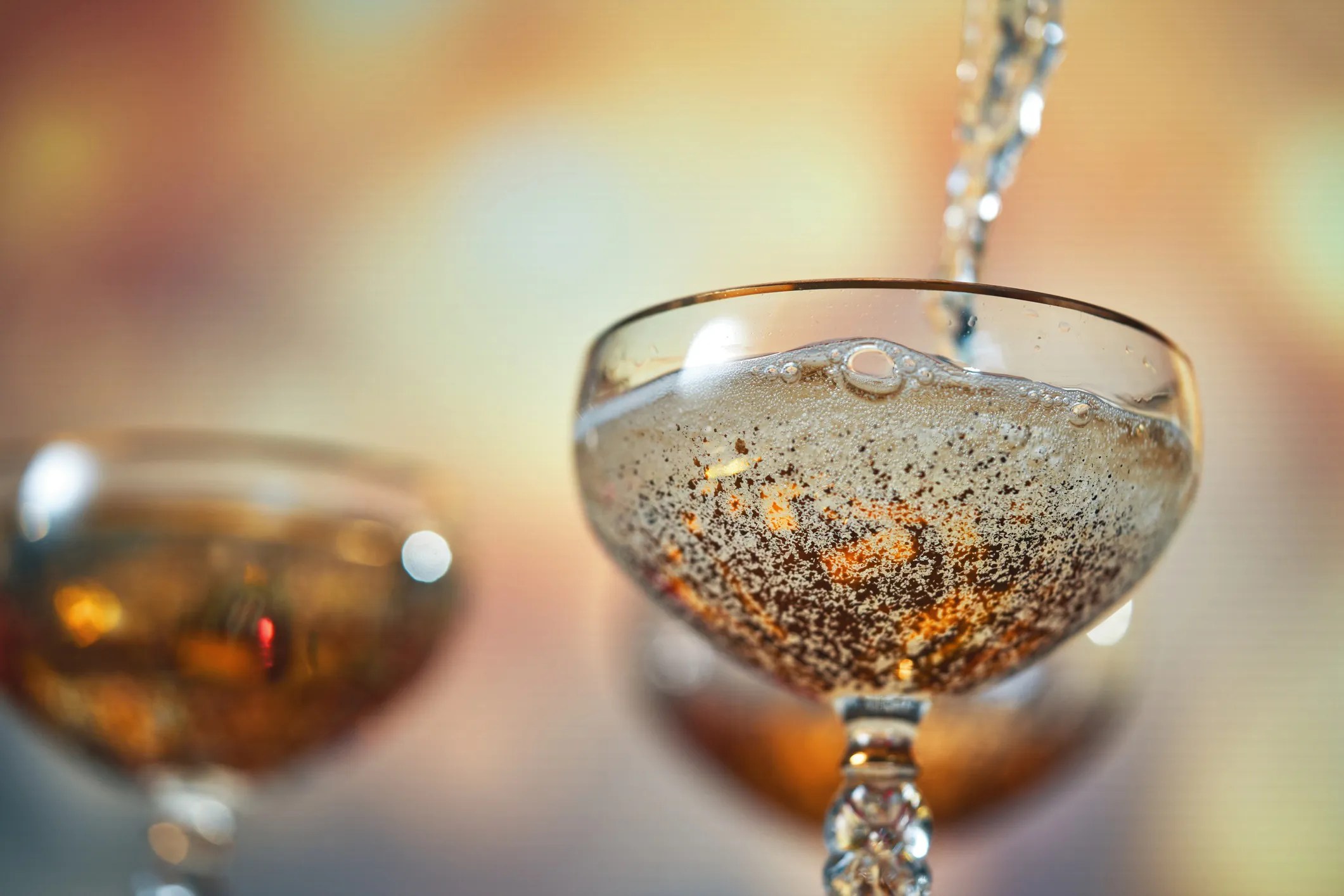
There is something inherently festive about champagne’s effervescence. The lively bubbles seem to mirror the excitement and joy of a celebration, making it the perfect drink for a toast. When you pop the cork and pour the bubbly, it immediately brings a sense of occasion, signaling that something special is happening.
The Ritual of Popping the Cork
The very act of popping a champagne cork is a dramatic gesture—one that signifies the release of something celebratory. The loud “pop” is often met with cheers, and the uncorking is a shared ritual of joy. This unique tradition has become ingrained in social rituals, making champagne synonymous with moments of collective happiness. This celebratory experience is made possible in part by the quality and reliability of the cork itself, which is assured through adherence to ISO 4710:2000.
ISO 4710:2000: The Standard Behind Champagne Corks
ISO 4710:2000 is the international standard that specifies the characteristics for the cylindrical cork stoppers used in champagne and other sparkling wines. It assures that corks are manufactured to specific mechanical and physical specifications, which are necessary to withstand the high pressure of secondary fermentation in the bottle (around 6 bars). Adherence to ISO 4710:2000 helps maintain the wine’s integrity and prevents spoilage or failure of the seal during aging and storage.
The Symbol of Luxury and Exclusivity
Champagne was initially a drink enjoyed by royalty and the aristocracy. Over time, this association with exclusivity carried over to the broader public. Whether it is the high-end bottles from top champagne houses like Louis Roederer, Veuve Clicquot, or Krug, or the more accessible, celebratory sparkling wines like Prosecco and Cava, the drink is universally linked to luxury and achievement.
Versatility in Celebrations
From weddings to New Year’s Eve parties, the versatility of champagne makes it the ideal drink for any occasion that calls for celebration. Its crisp, refreshing taste pairs well with a wide range of foods, and the variety of champagne styles (from dry to sweet, brut to rosé) makes it suitable for any palate.
The Psychological Boost
There is a psychological element to the association between champagne and celebration. When we drink champagne, we associate its effervescence with joy and festivity. This creates an emotional connection between the drink and happy memories
Champagne and Today’s Celebrations
Today, champagne continues to be the drink of choice for any special occasion—from New Year’s Eve countdowns to weddings and milestone birthdays. To help assure that each bottle lives up to this celebratory reputation, producers can use quality and food safety standards like ISO 9001:2015 and ISO 22000:2018. While ISO 9001:2015 is a generic quality management standard, ISO 22000:2018 is specifically designed for the food and beverage industry and incorporates food safety principles like Hazard Analysis and Critical Control Points (HACCP). ISO 22000:2018 applies to all stages of production in the champagne industry, including the critical secondary fermentation process.
By adhering to these standards (found on the ANSI Webstore) champagne producers can assure every bottle delivers a safe, high-quality experience worthy of life’s most memorable celebrations.