Sourdough Bread: History, Revival & ISO Safety Standards
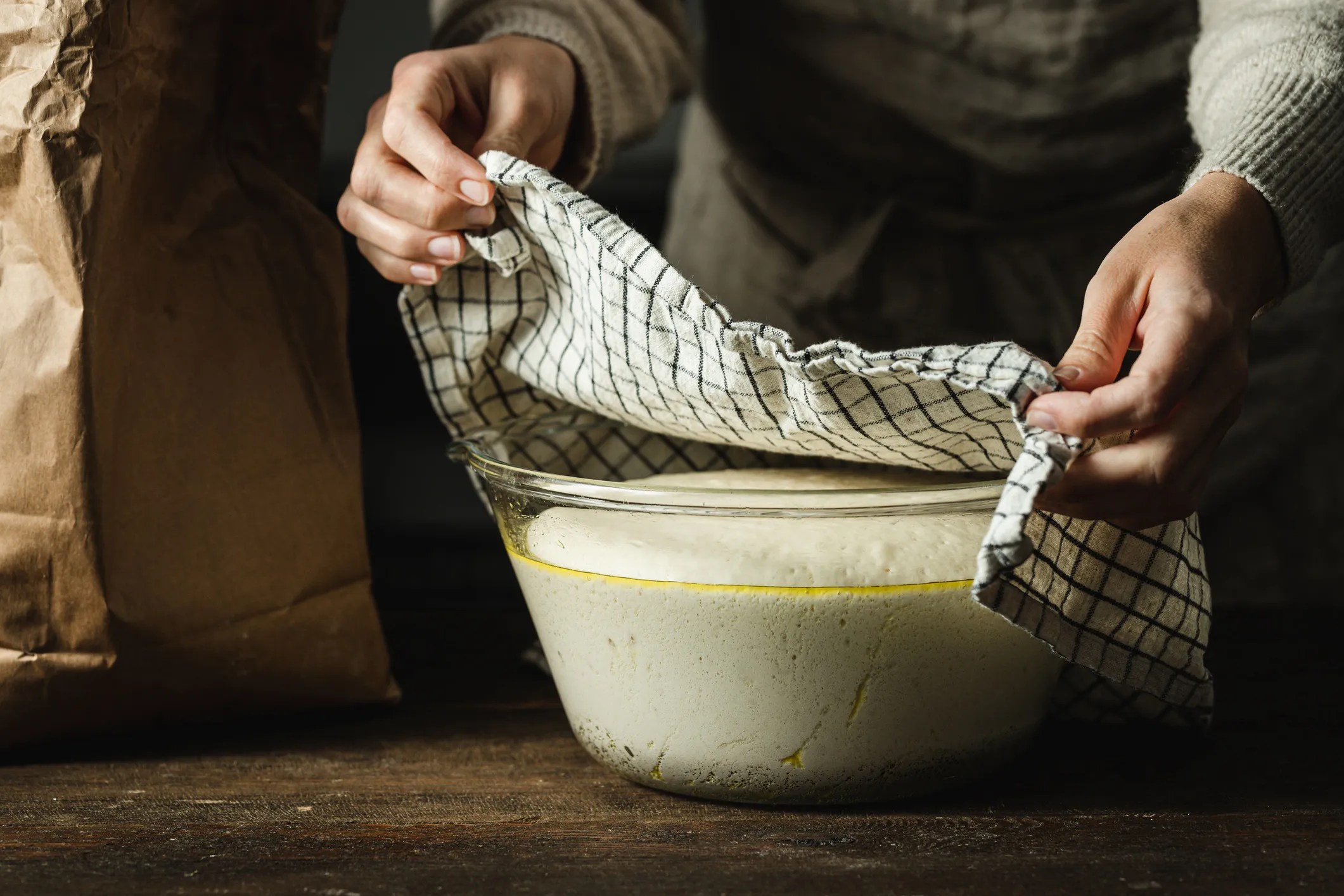
During the 1848 California Gold Rush, and especially the 1898 Klondike/Alaska Gold Rush, miners earned the nickname “sourdough” because they carried fermented bread starters everywhere. Due to the harsh, freezing conditions, they often kept the pouches of starter inside their clothes or slept with them to keep the yeast active. Over time, sourdough starters became family heirlooms, passed down through generations, each one carrying a unique legacy of flavor and tradition. Today, while the spirit of that tradition lives on, modern breadmaking has evolved to meet rigorous international (ISO) standards that assure that sourdough—and all bread—is produced with the same quality, consistency, and safety across the globe.
A Brief History of Sourdough Bread: From Ancient Egypt to Middle Ages
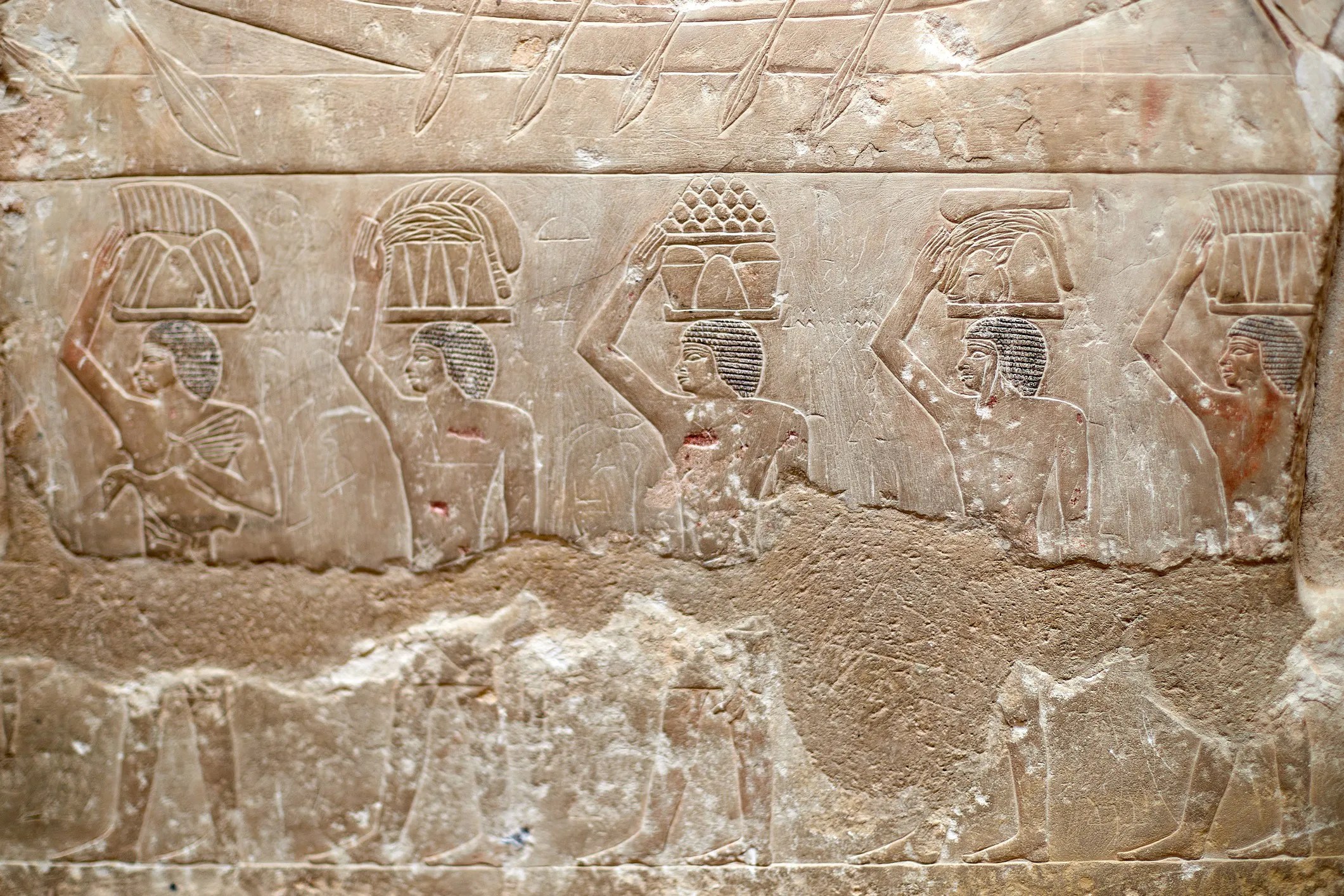
The first leavened breads likely emerged in ancient Egypt around 6000 BC, when early farmers learned to harness wild yeast and bacteria from their environment to make dough rise. This breakthrough was likely discovered by accident—perhaps when a forgotten piece of dough was left in the sun and naturally fermented, transforming into a lighter, airier loaf. Over time, fermentation became an intentional and essential baking practice. Ancient Egyptian hieroglyphics even depict early sourdough-making methods, underscoring the central role bread played in both daily life and culture. Egyptians were famously known as “The Bread Eaters,” relying on bread not only as a dietary staple but also as a form of currency and trade.
The success of fermented bread, led to it being adopted by Ancient Greeks, where it went from being baked at home to becoming a staple in bakeries. Ancient Greeks had more than 80 types of bread by 2500 B.C. Furthermore, leavened bread was later picked up by the Roman Empire who further developed sourdough bread into what we are more familiar with today.
During the Middle Ages (~476 AD to 1500 AD) in France, bakers were powerful credit brokers as they often loaned out bread as currency and as a form of credit. In fact, King Louis IV said, “He who controls a nation’s bread is a greater ruler than he who controls their souls.”
How Did Sourdough Come to North America?
Sourdough’s journey to North America accelerated during the California Gold Rush of 1848, when master bakers from France brought their traditional fermentation techniques to San Francisco. There, a locally adapted “mother dough”—a fermented mixture of flour and water—produced bread with exceptional flavor and quality. Miners flocked to these bakeries, cementing San Francisco’s reputation as a global center for sour-style bread.
The tradition continued north during the Klondike Gold Rush of 1898, where miners relied on sourdough starters as a dependable leavening source in extreme cold. To keep the cultures alive, they carried them on their bodies or slept with them at night, earning the enduring nickname “sourdoughs.” By 1850, the United States already counted over 2,000 bakeries, reflecting bread’s growing economic importance.
Sourdough’s Revival in the 20th Century
Although commercial yeast overtook sourdough in the 20th century due to its speed and consistency, traditional sourdough never vanished. Instead, sourdough experienced a major revival with the rise of artisan baking—and again during the COVID-19 pandemic, when home bakers rediscovered the craft. Sourdough surged in popularity due to a combination of pandemic-induced hobbies, health-conscious trends focusing on gut health, and a desire for artisanal, from-scratch, and fermented foods.
Today, sourdough stands as a symbol of culinary tradition, scientific curiosity, and the timeless appeal of handcrafted bread.
Bread-Making ISO Standards: Safety, Quality, and Consistency
While sourdough’s rich history and recent resurgence highlight its cultural and culinary importance, producing high-quality bread consistently, especially on a commercial scale, requires more than tradition alone. Modern bakeries rely on international (ISO) standards to assure that every loaf meets rigorous safety, quality, and performance benchmarks. Standards such ISO 6820:1985, ISO 5530-1:2026, and ISO 22000:2018 provide clear guidelines for testing flour, assessing dough properties, and managing food safety, bridging the gap between artisanal craftsmanship and industrial consistency.
ISO 6820:1985—Guidance on Bread-Making Tests
ISO 6820:1985 provides general guidance for drafting bread-making tests for wheat and rye flours. It assures consistent, high-quality evaluation of flour performance in baking, covering procedures for both commercial and experimental, as well as rye flours, focusing on standardized methodology.
For sourdough, ISO 6820:1985 acts as a guideline to standardize how a bakery tests how a specific flour performs under long-fermentation conditions, including water absorption, fermentation times, and dough handling. The standard assures no element is left unconsidered when analyzing the bread-making potential of flours intended for artisanal or industrial sourdough.
ISO 5530-1:2026— Rheological Properties of Dough Using a Farinograph
ISO 5530-1:2026 defines the use of a farinograph (i.e., a tool to assess baking qualities and performance of wheat flour doughs) to measure the physical properties of dough, such as water absorption, dough development time, and stability. In sourdough, these measurements are critical because the long fermentation process (and the associated drop in pH) breaks down gluten and makes the dough softer.
ISO 5530-1:2026 is used for quality control in milling and baking industries to determine how much water is needed to reach a specific dough consistency.
ISO 22000:2018—Food Safety
ISO 22000:2018 provides requirements for a comprehensive food safety management system (FSMS), assuring a product is safe from “farm to table.” It covers raw material sourcing, production, and distribution.
In the context of artisan or industrial sourdough, ISO 22000:2018 assures that the complex, natural fermentation process is controlled to prevent hazards while maintaining quality. Further, it helps bakeries manage risks specific to sourdough, such as maintaining the health of the starter culture, preventing contamination, and ensuring consistent fermentation.
Where to Find ISO Breadmaking Standards
ISO 6820:1985, ISO 5530-1:2026, and ISO 22000:2018 are available on the ANSI Webstore.
ISO Standards for Food Safety
You can also learn more about ISO standards for food safety in the following ANSI blog posts:
- ISO Standards Assure Safe, Quality Super Bowl Snacks
- Differences between European and American Food Standards
- ISO 22003-1:2022— Food Safety
- ISO 22000-1:2025—Prerequisites Programs on Food Safety
- Health Risks of Ultra-Processed Foods & Food Safety
- Is Your Food Safety Management System Ready for the Post-Pandemic World?