
QR Code vs Barcode: What’s the Difference?
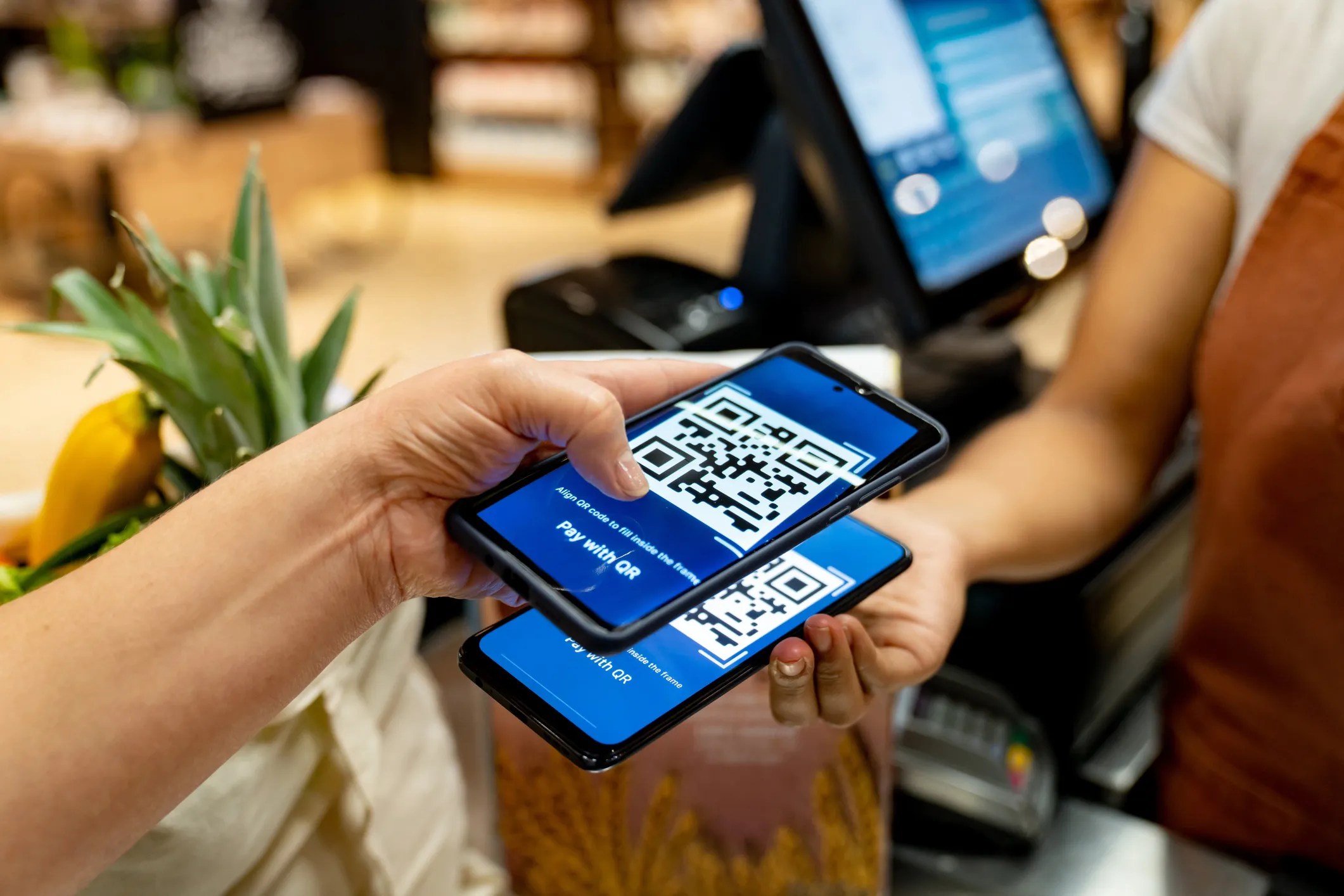
A quick beep at the checkout, and a product’s familiar black stripes reveal its identity. For decades, barcodes have quietly powered the rhythm of retail. But today, a different pattern is everywhere: a small pixelated square waiting to be scanned. Point your phone camera at a QR code and suddenly a menu appears, a payment completes, or a website opens in seconds. Though they may look like simple patterns, barcodes and QR codes tell very different technological stories about how we store, scan, and share information in the modern world.
What Is a Barcode?
A barcode is a one-dimensional (1D) code made up of vertical lines and spaces that represent numbers or characters. Barcodes are typically limited to storing a relatively small amount of information like product numbers or basic identifiers, and they are commonly used in retail stores, warehouses, and shipping systems to track products quickly and accurately. By defining consistent grading criteria, ISO/IEC 15416:2025 helps assure barcodes remain readable across retail, logistics, and manufacturing environments.
What Is a QR Code?
A QR code, or Quick Response code, is a two-dimensional (2D) barcode that stores information within a square grid of black and white modules. The grid-based design allows QR codes to store far more data than traditional barcodes, including text, URLs, contact details, payment information, or authentication data, enabling them to be used, for instance, in marketing campaigns (discounts, videos), restaurant menus, secure payments, product tracking, and sharing contact information. ISO/IEC 18004:2024 specifies the structure (modules, finder patterns), encoding rules, dimensional characteristics, and Reed-Solomon error correction that allow scanners to decode damaged or partially obscured codes.
How Is a QR Code Different than a Barcode?
Barcodes and QR codes are both widely used technologies for storing and scanning information, but they differ significantly in how they encode and store data. The key difference between barcodes and QR codes is their physical dimensions. Barcodes can be scanned in a line, which means that data is limited to what can be placed in that one stretch of stripes, and ISO/IEC 15416:2025 defines how 1D barcodes are evaluated using parameters like edge contrast, modulation, and defects to assure they can be accurately scanned. On the other hand, QR codes add another dimension from which information can be written and scanned, leveraging a two-dimensional grid that can hold significantly more data.
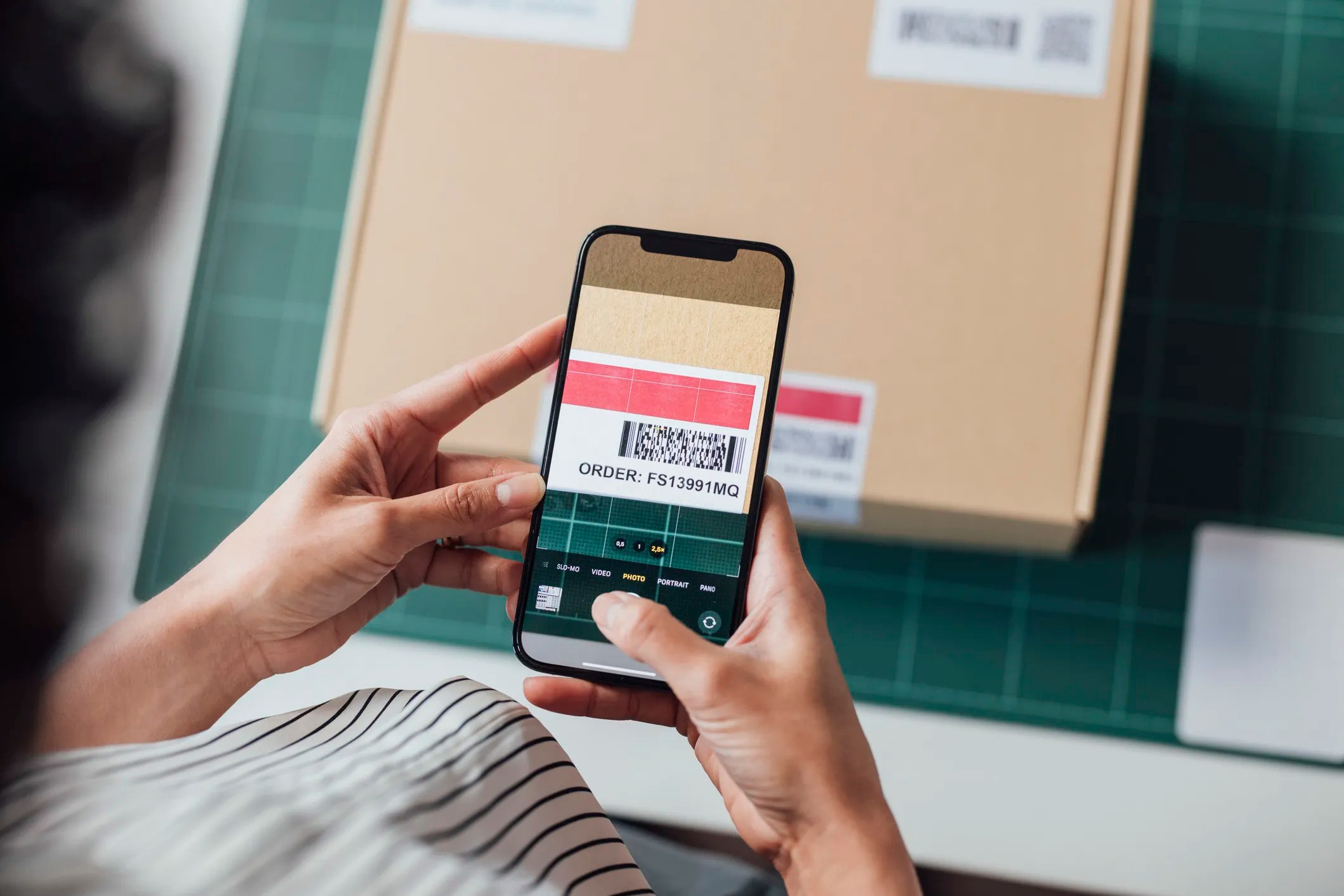
Key Differences Between QR Codes and Barcodes
While both barcodes and QR codes store data in scannable patterns, they differ significantly in how much information they hold, how they are structured, and how they are scanned.
Data Capacity
Traditional barcodes store a limited numeric identifier, usually up to 25 characters. QR codes can store significantly more information, including numbers, letters, and binary data.
Data Structure
Barcodes encode information in a horizontal pattern of parallel lines. QR codes encode data both horizontally and vertically within a square grid, allowing them to store more complex information.
Scanning Flexibility
Barcodes typically must be scanned in a specific orientation with dedicated scanners. QR codes can be scanned from multiple angles and distances using smartphones or camera-based scanning devices.
Error Correction
QR codes include built-in error correction that allows them to be read even if part of the code is damaged or obscured. This capability is defined in ISO/IEC 18004:2024, helping assure reliable scanning across many environments.
QR Code vs Barcode: Key Differences Summary
| Feature | QR Code | Barcode |
| Code Type | Two-dimensional (2D) code made of square modules | One-dimensional (1D) code made of vertical lines |
| Data Capacity | Can store hundreds or thousands of characters including text, URLs, and binary data | Stores a small amount of numeric or alphanumeric data |
| Data Storage | Information is stored both horizontally and vertically | Information is stored horizontally |
| Scanning Method | Can be scanned from multiple angles using smartphones or cameras | Usually scanned in a single direction using dedicated barcode scanners |
| Error Correction | Built-in error correction allows codes to be read even if partially damaged | Typically cannot be read if damaged |
| Common Uses | Mobile payments, digital menus, marketing campaigns, event tickets, product tracking | Retail product identification, inventory management, shipping and logistics |
Why QR Codes Are Becoming More Popular
As smartphones and digital services have become more widespread, QR codes have grown in popularity because they make it easy to connect physical objects to digital information. A quick scan can open a website, verify an event ticket, process a payment, or provide product details instantly.
By defining the structure and performance of QR code symbology, ISO/IEC 18004:2024 helps assure that QR codes function consistently across industries such as retail, manufacturing, transportation, and marketing. While barcodes remain essential for inventory and product identification, QR codes offer greater data capacity, flexibility, and connectivity in today’s increasingly digital world.
Where to Find ISO/IEC 18004:2024 and ISO/IEC 15416:2025
You can learn more about ISO/IEC 18004:2024 in our blog post: ISO/IEC 18004:2024—QR Code Bar Code Symbology. Additionally, these international standards are available on the ANSI Webstore.