AAMI CR515:2025—Cybersecurity in ML Medical Devices
While medical devices are designed to heal, monitor, or save lives, they could instead become a tool for harm if compromised. The healthcare sector is…


While medical devices are designed to heal, monitor, or save lives, they could instead become a tool for harm if compromised. The healthcare sector is…
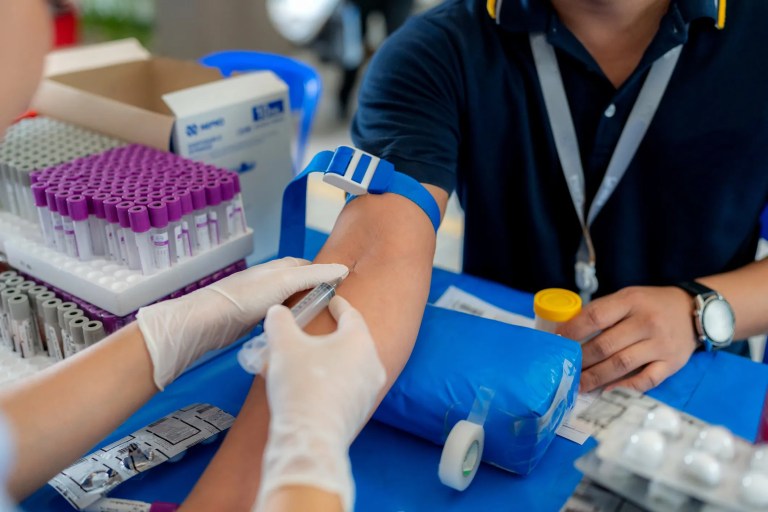
Needle-based injection systems (NISs) are extremely common and represent the primary method for drug delivery, with at least 16 billion NISs injections administered globally each year. Therefore,…

Medical devices range from simple bandages to complex implantable devices like pacemakers and prosthetics. Regardless of their complexity, all medical devices must undergo rigorous testing…
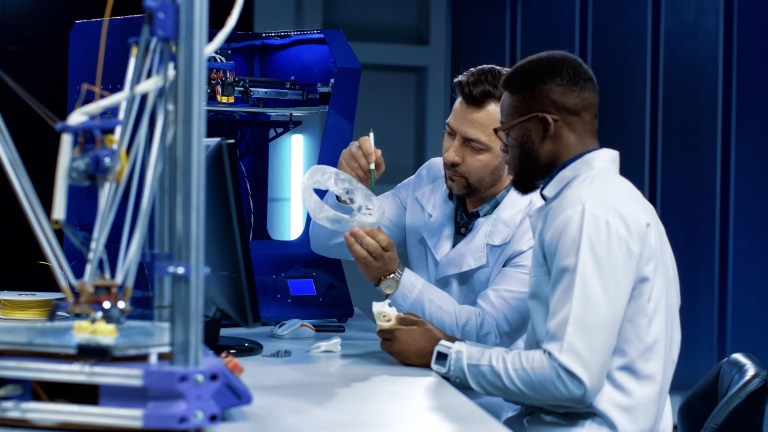
Medical devices are essential to modern healthcare, but their safety and effectiveness rely heavily on human factors engineering (HFE). HFE helps reduce use errors (a…
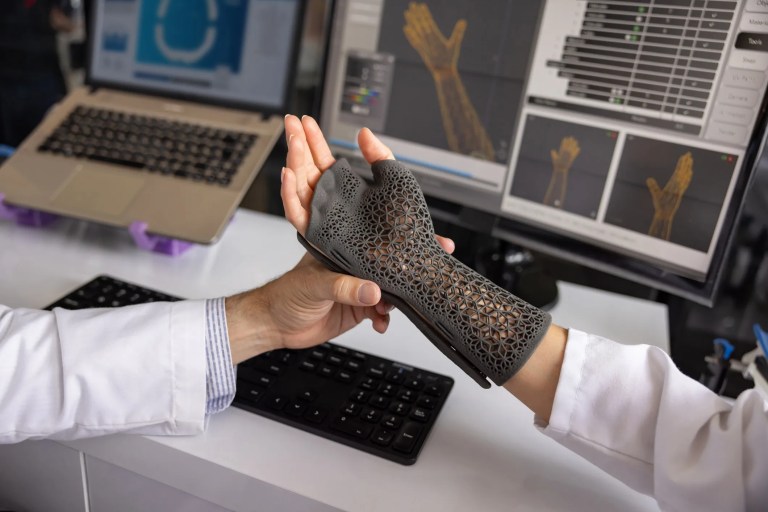
3D printing technology has caused a revolution in health care delivery. It is being widely adopted for various applications, including anatomical modeling, surgical planning, the creation…
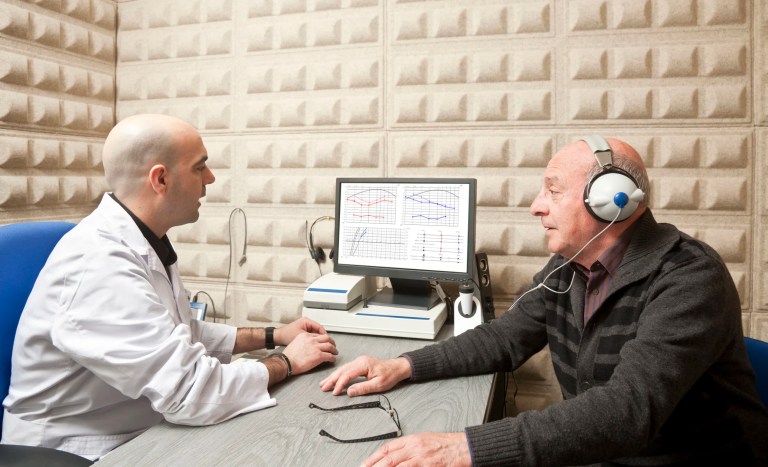
According to the National Institute of Health (NIH), approximately 15% of American adults (37.5 million) aged 18 and over report some trouble hearing, about one…
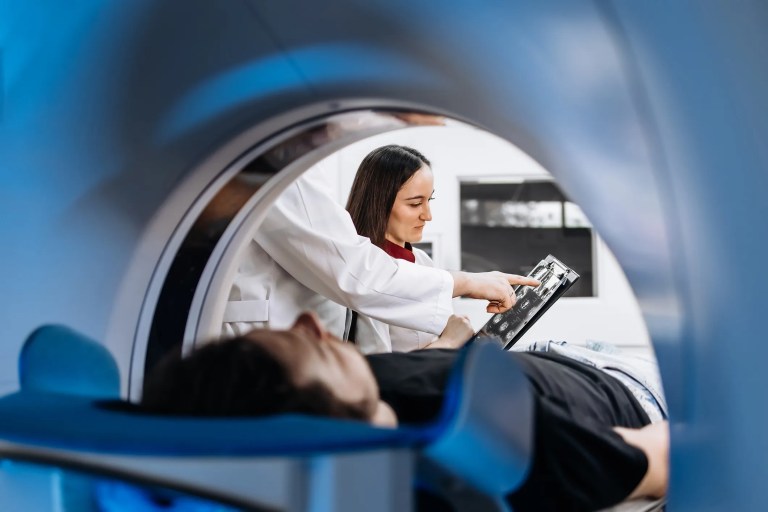
MRI’s history traces back to the 1930s with Isidor Rabi’s discovery of nuclear magnetic resonance, which demonstrated that atoms could emit radio waves in a magnetic…
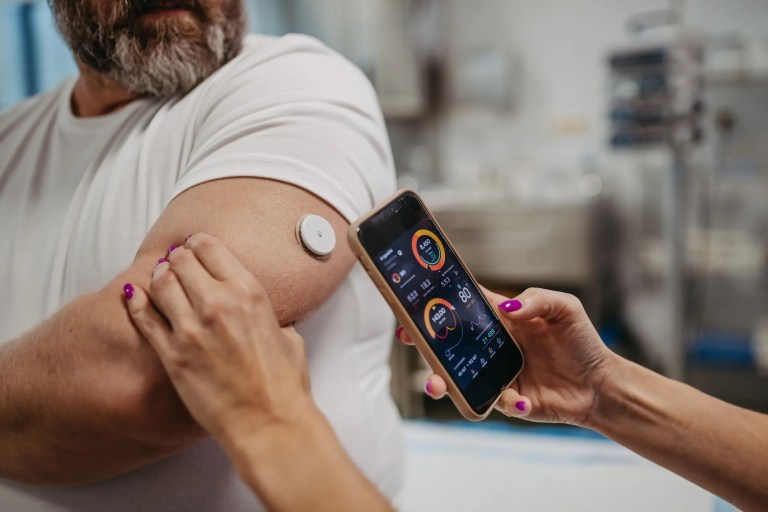
A growing number of people with diabetes are turning to wireless diabetes devices to monitor and manage their condition in an automated fashion. As diabetes…

The U.S. healthcare transportation market was valued at $21.82 billion in 2017 and is projected to grow to $31.51 billion globally by 2026. This growth…