How ISO 22000 Helps Assure a Safe Thanksgiving Feast
With all the food prep and cooking involved in Thanksgiving, it is important not to overlook one critical aspect: food safety. ISO 22000:2018, the international…

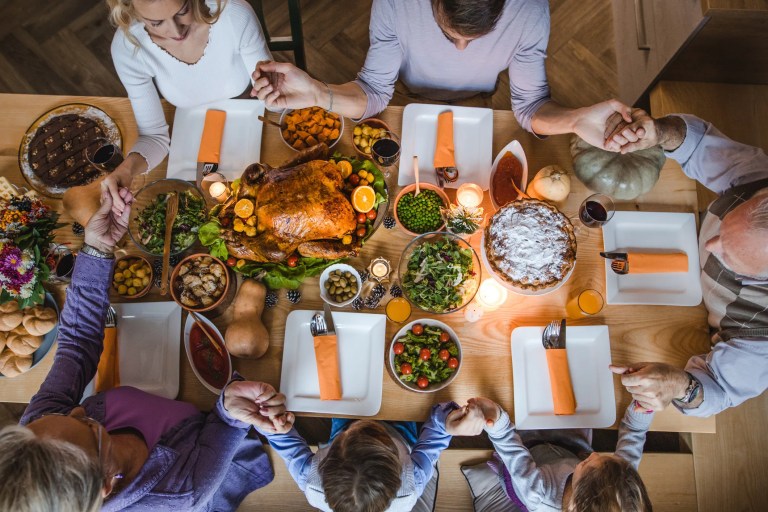
With all the food prep and cooking involved in Thanksgiving, it is important not to overlook one critical aspect: food safety. ISO 22000:2018, the international…
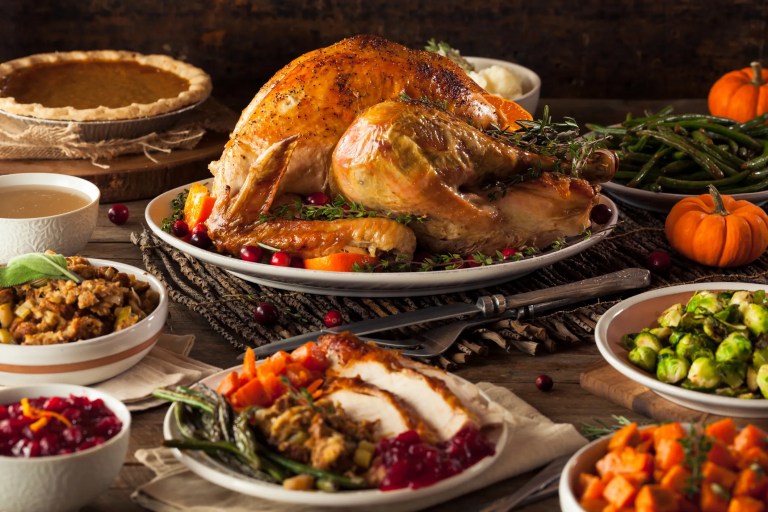
When you think of Thanksgiving, the focus naturally goes to the turkey and the feast. Behind that centerpiece is a supply chain: breeding, raising, transport,…
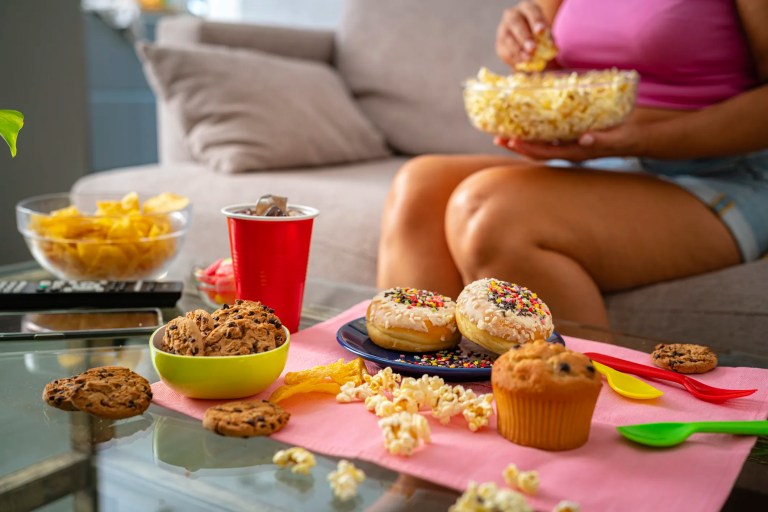
It is estimated that 70% of the US food supply is comprised of ultra-processed foods (UPFs), 55% of calories from people aged 1 and older in…

Cottage cheese gets its name from the old European tradition of farmers making it in their cottages or farmhouses using leftover sour milk from butter-making….
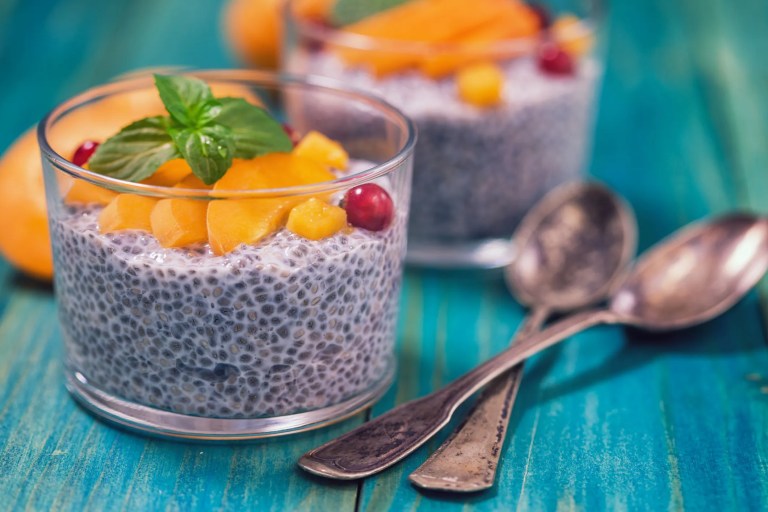
As a staple food for the Aztecs and Mayans, chia seeds have been a part of the human diet for over 5,000 years. Despite their…
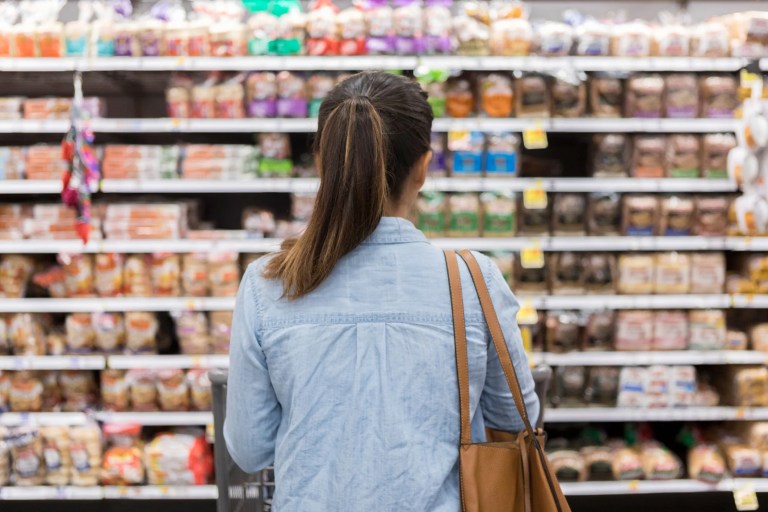
In the global food market, understanding the differences between European and US food standards is critical. For instance, picture this: you are perusing the bread…
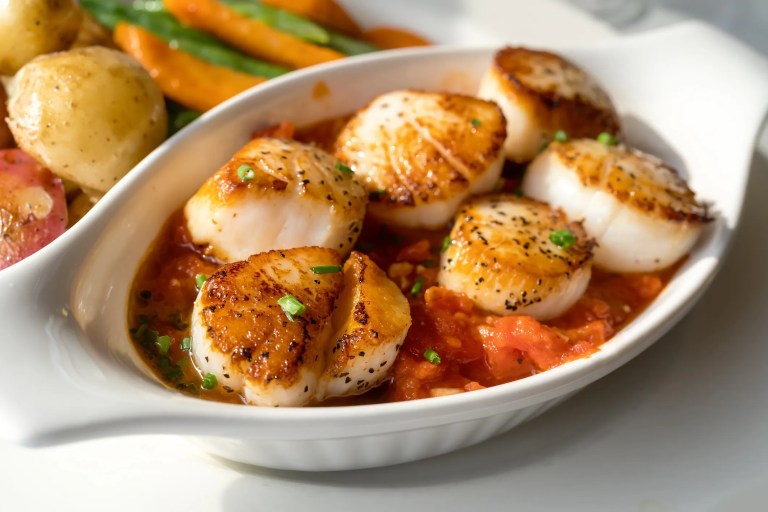
If you are shopping at a mega-supermarket chain, you are likely purchasing wet scallops without realizing it. While wet and dry scallops may look similar,…
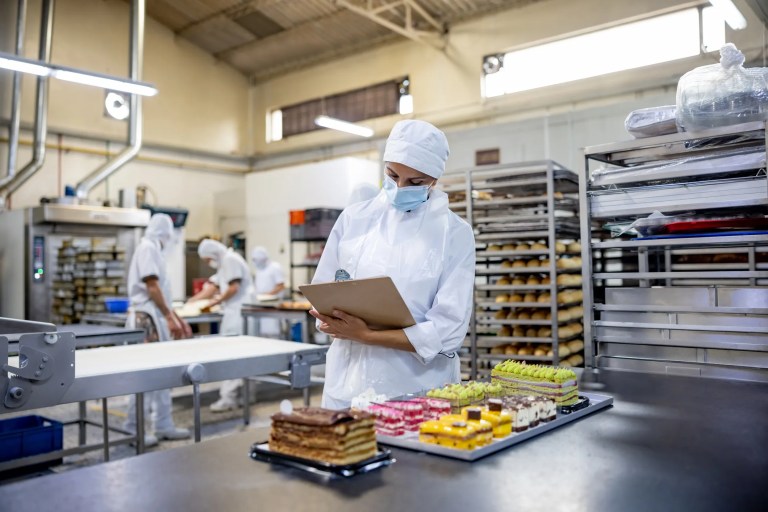
The Centers for Disease Control and Prevention (CDC) found that 81% of investigated foodborne illness outbreaks were attributed to contamination of hands and surfaces, highlighting…
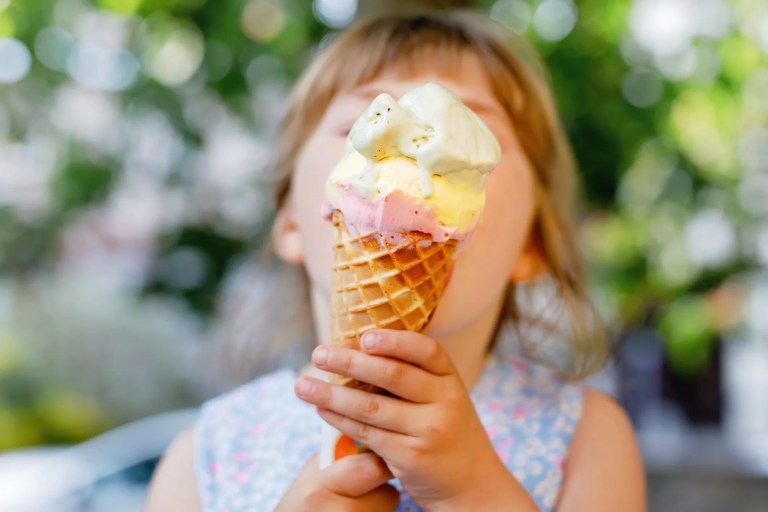
It is a hot and humid summer day, so of course, a frozen desert from the local ice cream truck satiates that craving. What makes…