NSF/ANSI 51-2025: Food Equipment Materials
An American National Standard, NSF/ANSI 51-2025, doesn’t deal with what’s in your food—it focuses on what’s in the equipment used to make your food. Demand…

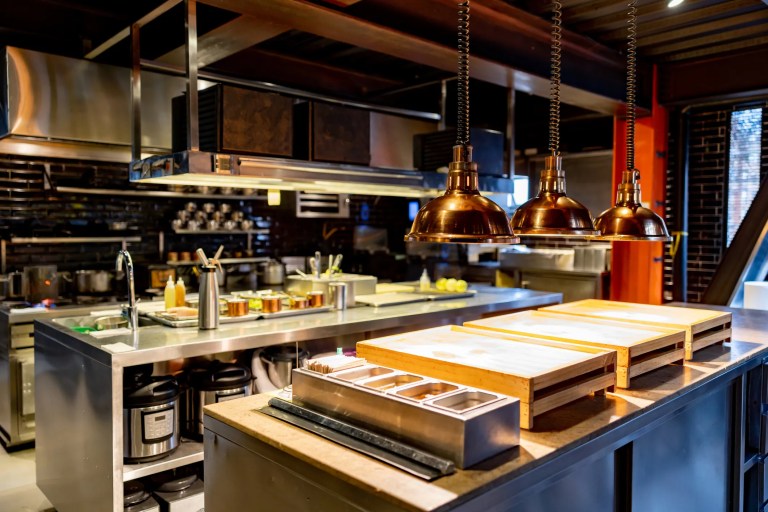
An American National Standard, NSF/ANSI 51-2025, doesn’t deal with what’s in your food—it focuses on what’s in the equipment used to make your food. Demand…
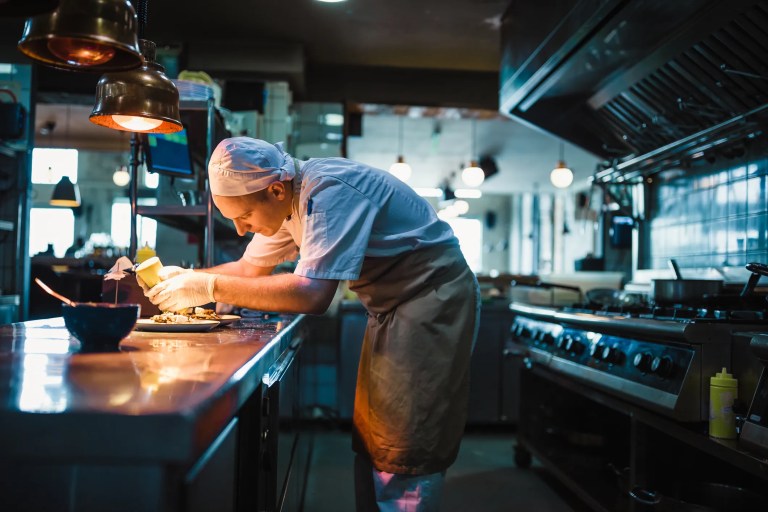
An American National Standard, NSF/ANSI 2-2025: Food Equipment, covers food protection and sanitation requirements for a variety of food handling and processing equipment. A chef…
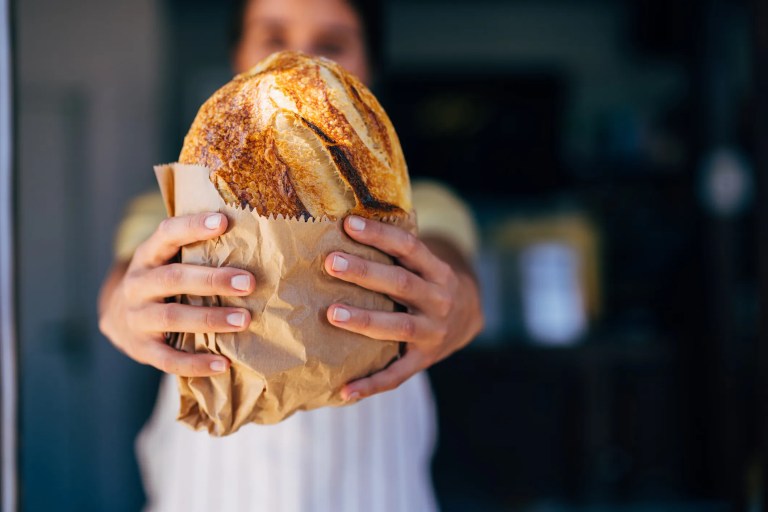
Long before commercial yeast existed, humans relied on wild fermentation to transform flour and water into bread, a practice dating back more than 6,000 years….
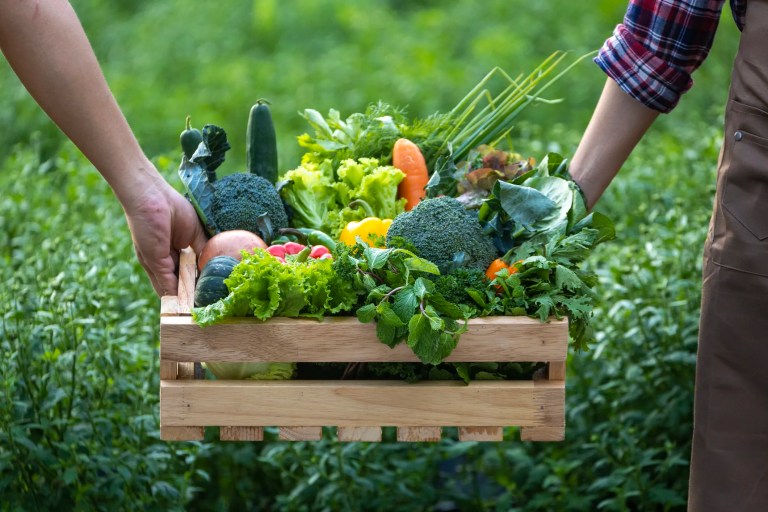
More and more Americans are interested in how their food is produced, processed, and distributed. 81% of consumers deem transparency “important” or “extremely important.” This…
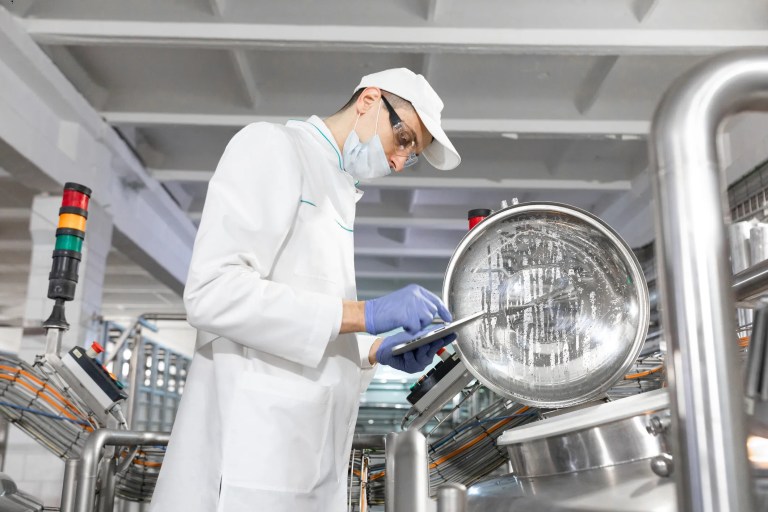
When was the last time you dined at a restaurant or ordered take-out? On average, a person dines out 3 times per month and orders…

When it comes to wine tasting, the experience is not just about the flavor—it is a multi-sensory journey that involves sight, smell, touch, and, of…
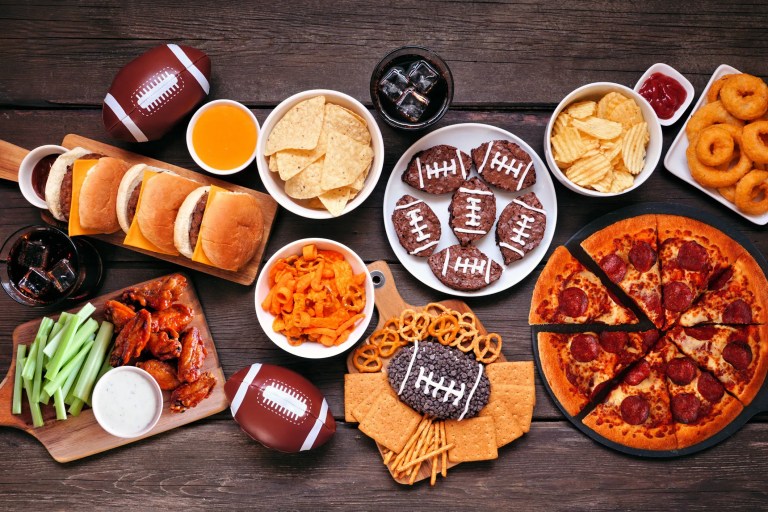
Super Bowl Sunday is the second-largest food consumption day in the United States, behind only Thanksgiving. One in seven (i.e., 48 million) Americans will order…

More than 90% of people in the United States consume caffeine, and 75% of that group admits to having it daily. Many people say it…
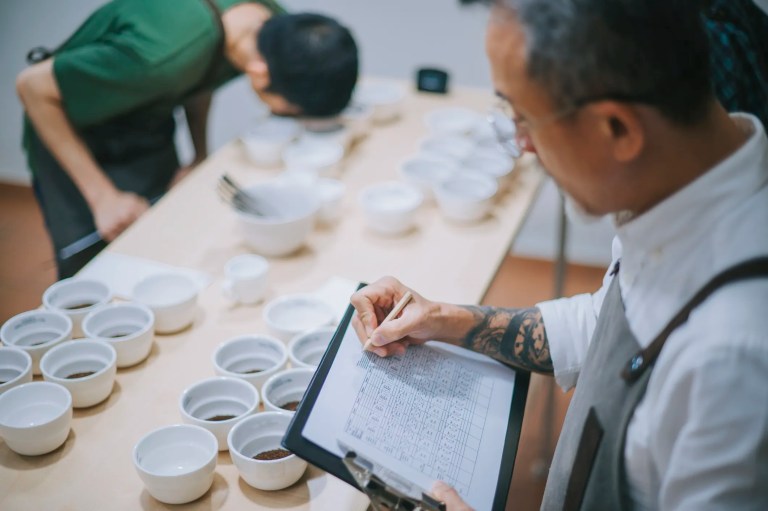
Rather than beans, coffee beans are actually considered seeds of the coffee cherry fruit. Growing on tall shrubs and bushes that resemble a berry bush,…