Do Sun Lamps Help Seasonal Depression? Safety & Benefits
Since Seasonal Affective Disorder (SAD) was first identified by Rosenthal et al. in the 1980s, Bright Light Therapy (BLT) has become a recognized and highly effective treatment. Now considered a first-line therapeutic option, light therapy works by mimicking natural sunlight to help regulate circadian rhythms, boost serotonin levels, and improve mood. IEC 60601-2-83 Ed. 1.0 b:2019—Medical Electrical Equipment – Part 2-83: Particular Requirements for the Basic Safety and Essential Performance of Home Light Therapy Equipment helps regulate the safety and performance of home light therapy equipment, which is used for the treatment of SAD.
What Is Seasonal Depression?
Seasonal Affective Disorder (SAD) is a form of depression that occurs at specific times of the year, often during the fall and winter months when natural sunlight is limited. People with SAD typically experience symptoms such as:
- Low energy and fatigue
- Trouble concentrating
- Changes in appetite (often craving carbohydrates)
- Difficulty sleeping
- Withdrawal from social activities
Although rates widely vary by location, SAD impacts millions—with estimates in the U.S. around 10 million people (or roughly 5% of the population) and it typically lasts about 40% of the year.
How Light Therapy Improves Mood Regulation for SAD
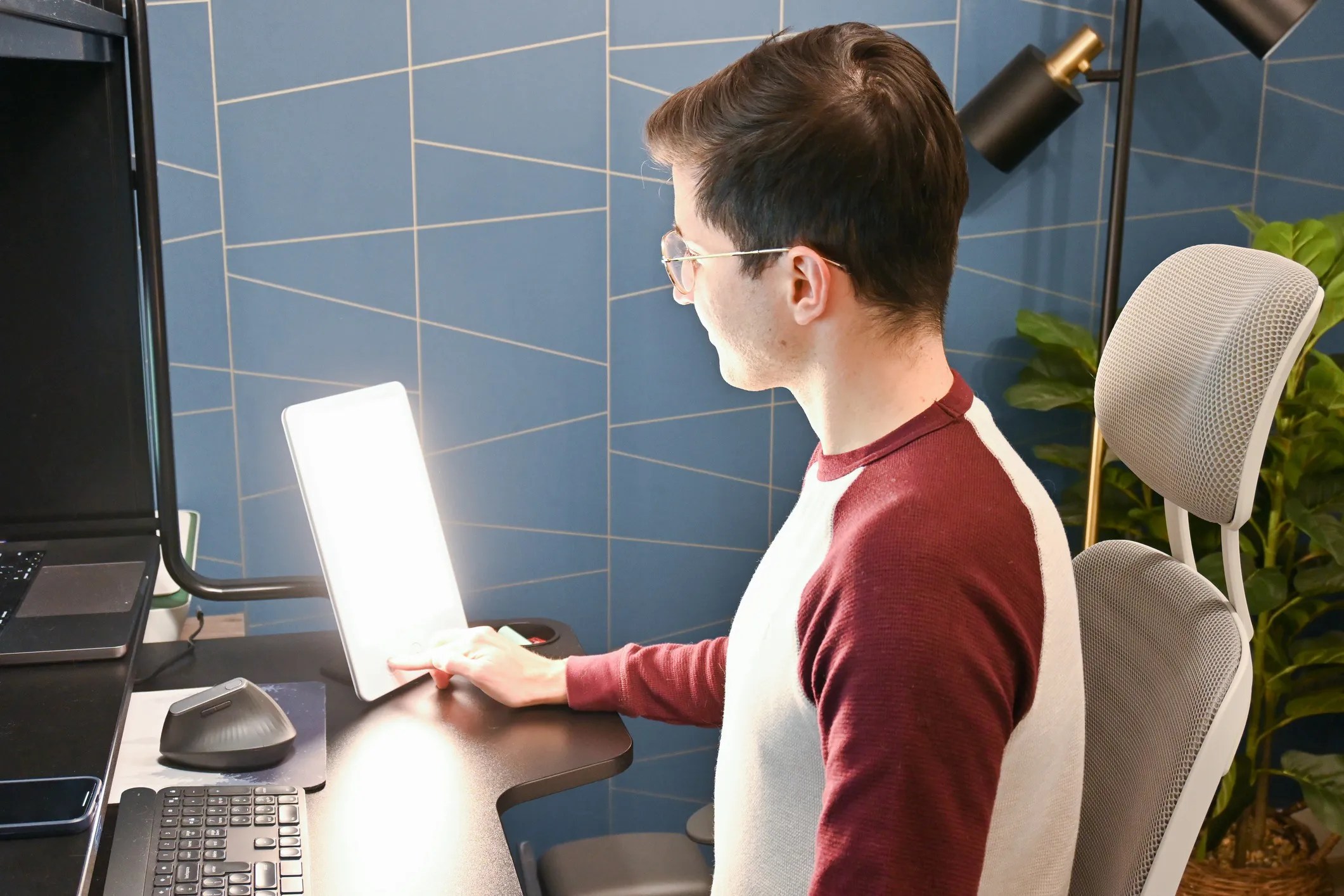
Reduced exposure to sunlight can affect circadian rhythms, serotonin levels, and melatonin production in the brain—all of which contribute to mood regulation. Light therapy, which involves sitting close to a special light source every morning for at least 30 minutes, is often particularly helpful for people with SAD.
Sun Lamps Simulate Natural Sunlight to Treat SAD
Sun lamps are designed to simulate natural sunlight by emitting a bright, white light that mimics the sun’s rays. Exposure to this light can help regulate the body’s internal clock (circadian rhythms), boost serotonin levels, and improve mood. Light therapy has been found to be effective for people with SAD because it compensates for the lack of natural sunlight during darker months.
The key to effective light therapy is choosing the right kind of light. To be effective, the light from a sun lamp must be bright enough (at least 10,000 lux) and have the proper color temperature (usually between 5,000 to 6,500 Kelvin), which mimics the natural spectrum of sunlight. Additionally, light therapy should be safe for users—especially when used at home. IEC 60601-2-83 Ed. 1.0 b:2019 is a specific safety standard for home light therapy equipment, setting rules for devices like SAD lamps used at home for mood regulation or other light treatments.
What Is IEC 60601-2-83 Ed. 1.0 b:2019?
IEC 60601-2-83 Ed. 1.0 b:2019 addresses the safety and performance of light therapy devices intended for home use. This standard assures that devices used to treat SAD and other conditions like insomnia meet stringent safety requirements. It evaluates factors like electrical safety, mechanical safety, and thermal safety, assuring that users are not exposed to any unnecessary risks during therapy sessions.
Where to Find IEC 60601-2-83 Ed. 1.0 b:2019
IEC 60601-2-83 Ed. 1.0 b:2019—Medical Electrical Equipment – Part 2-83: Particular Requirements for the Basic Safety and Essential Performance of Home Light Therapy Equipment is available on the ANSI Webstore.