
ATIS-0700016: LAES for IMS Push-to-Talk Networks
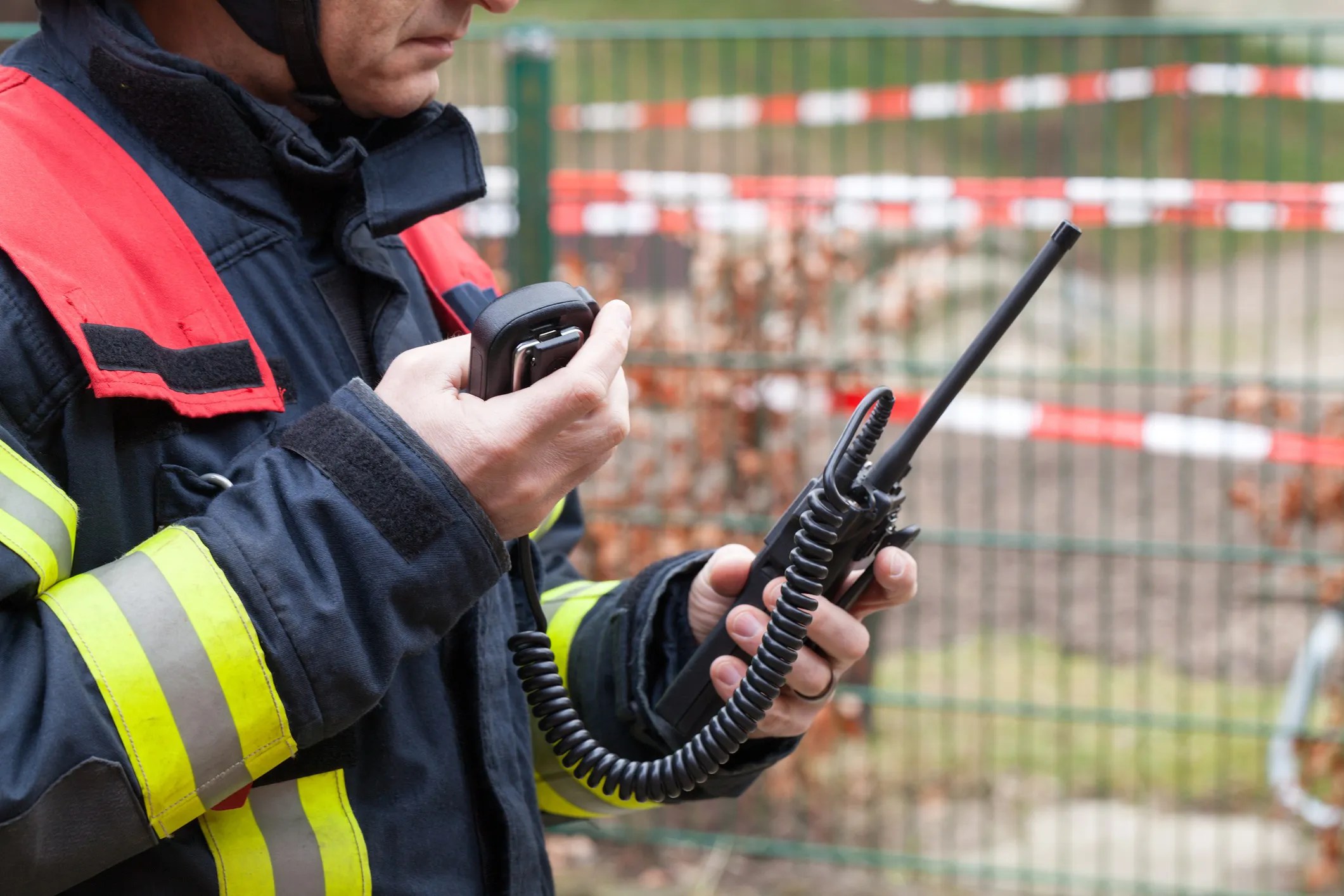
A firefighter may need to report changing fire conditions, a police officer may need to request backup, or a utility crew may need to alert teams about a downed power line. In situations like these, instant communication can improve coordination, safety, and response times. These instant conversations rely on Push-to-Talk over Cellular (PoC) technology, which uses modern cellular networks instead of traditional two-way radios. As these communications become increasingly important, telecommunications providers must also assure that they can comply with lawful requests from authorized law enforcement. ATIS-0700016: Lawfully Authorized Electronic Surveillance (LAES) Capabilities for 3GPP IMS Based Push to talk over Cellular (PoC) establishes the capabilities needed to support these authorized surveillance requirements within Internet Protocol Multimedia Subsystem (IMS)-based networks.
Why Standards Matter for Modern Mobile Communications
In 2025, there were 9.2 billion mobile-cellular subscriptions—far exceeding the world’s population .Mobile broadband (i.e., s high-speed wireless internet access delivered through cellular networks [such as 4G and 5G] using portable modems, smartphones, or dedicated routers, without requiring a physical fixed telephone or cable line] continues to drive the evolution of connectivity, accounting for 89% of all mobile subscriptions.
From mission-critical voice communications to enterprise collaboration, today’s cellular networks support far more than traditional phone calls. As these networks become more sophisticated, standardized technical requirements help assure that services remain interoperable, reliable, and capable of meeting legal and regulatory obligations. ATIS-0700016 supports this effort by defining the capabilities needed for Lawfully Authorized Electronic Surveillance (LAES) of 3GPP IMS-based Push-to-Talk over Cellular (PoC) services.
What Is ATIS-0700016?
ATIS-0700016 defines the lawfully authorized electronic surveillance (LAES) capabilities for 3GPP Internet Protocol (IP) Multimedia Subsystem (IMS)-based Push-to-Talk over Cellular (PoC) services. LAES capabilities described in this standard enable a PoC Telecommunication Service Provider (TSP) to deliver the intercepted communication content (e.g., voice) and communication-identifying information to an authorized Law Enforcement Agency (LEA).
ATIS-0700016 is used to facilitate a TSP’s compliance with the assistance capability requirements defined in Section 103 of the Communications Assistance for Law Enforcement Act [CALEA].
Understanding Lawfully Authorized Electronic Surveillance (LAES)/Lawful Interception (LI)
Lawfully Authorized Electronic Surveillance (LAES), also known as lawful interception (LI), is the legally authorized process that allows telecommunications service providers to assist government and law enforcement agencies in monitoring, recording, or intercepting communications when required by a valid court order or other legal authorization. These communications may include telephone calls, text messages, multimedia sessions, or internet-based communications transmitted across modern telecommunications networks.
The purpose of LAES is to support criminal investigations, national security efforts, counterterrorism operations, and other legally authorized activities while ensuring providers comply with applicable laws and regulatory requirements.

What Is Push-to-Talk over Cellular (PoC)?
Push-to-talk over Cellular (PoC) is a telecommunications service that enables users to communicate instantly over a cellular network with the press of a button. Similar to a traditional two-way radio, PoC uses Internet Protocol (IP) technology and 3GPP Internet Protocol Multimedia Subsystem (IMS) architecture to deliver real-time voice communications across 4G, 5G, and other IP-based mobile networks.
PoC is widely used by first responders, utility companies, transportation providers, construction firms, security teams, and other organizations that depend on fast, reliable communication between mobile workers. As these services become increasingly common, telecommunications providers must ensure PoC networks can support Lawfully Authorized Electronic Surveillance (LAES) when legally authorized.
ATIS-0700016 establishes the technical capabilities for implementing LAES within 3GPP IMS-based Push-to-Talk over Cellular networks, helping providers support secure, standardized, and interoperable lawful surveillance.
Where to Find ATIS-0700016
ATIS-0700016: Lawfully Authorized Electronic Surveillance (LAES) Capabilities for 3GPP IMS Based Push to talk over Cellular (PoC) is available on the ANSI Webstore.
ATIS-0700016 was developed by was developed by the Alliance for Telecommunications Industry Solutions (ATIS).
Please direct any technical questions relating to this American National Standard to the developer. You can find the contact information for all ANSI-accredited standards developers here: List of ANSI-Accredited Standards Developers (ASDs).
For further information, please refer to: Who to Contact for Standards Related Questions.