ASTM F1015-03(2017): Abrasiveness of Synthetic Turf
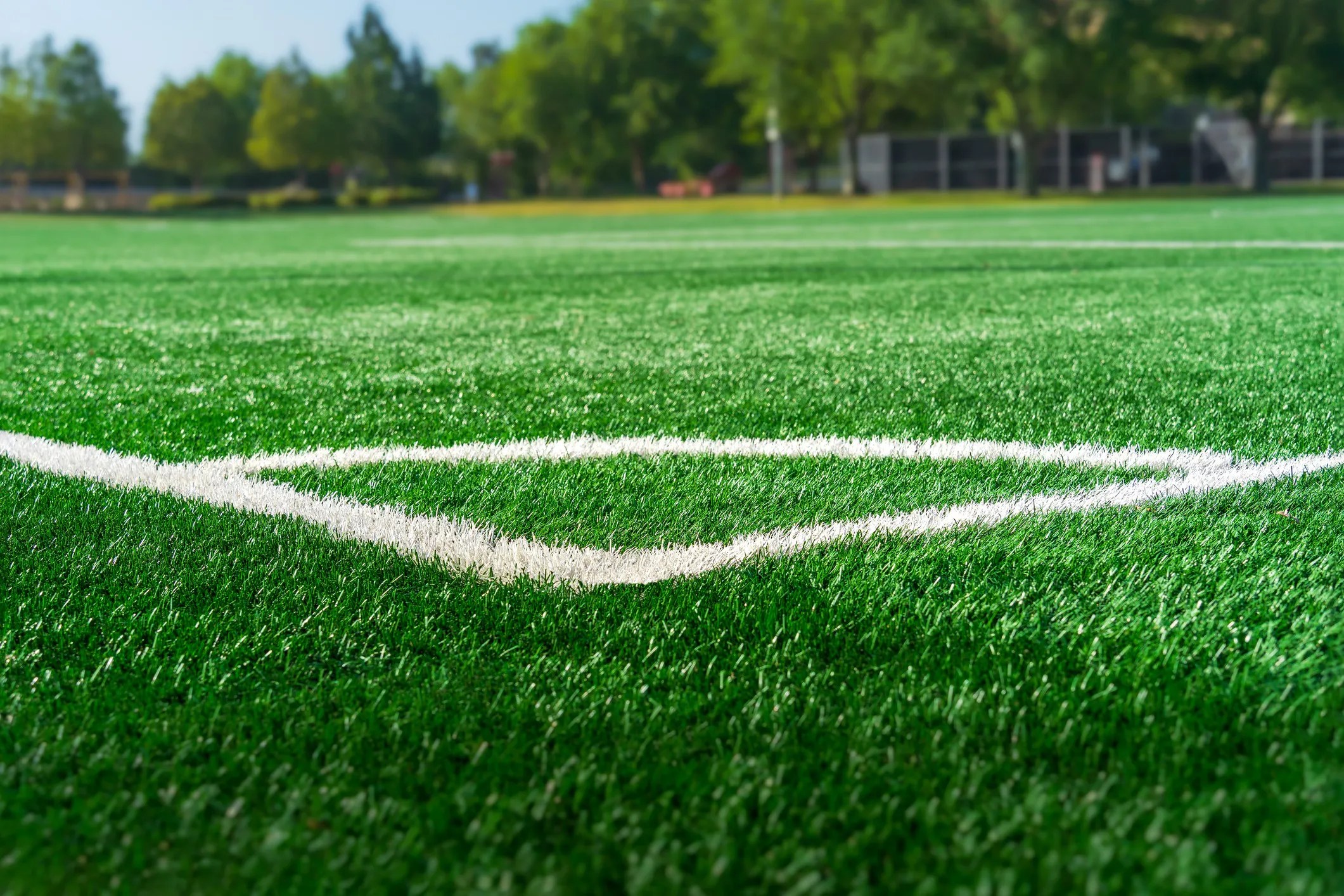
The first iterations of artificial turf were invented in 1964. It was first used in 1966 at the Astrodome, a newly-built stadium in Houston, to solve problems with natural grass dying under the dome’s roof. This marked the start of artificial turf’s widespread adoption in stadiums— with currently about 12,000-13,000 synthetic turf fields in the U.S. alone. ASTM F1015-03(2017): Standard Test Method for Relative Abrasiveness of Synthetic Turf Playing Surfaces provides a standardized procedure for laboratory and field testing to determine the relative abrasiveness of synthetic turf.
Assuring Player Safety on Synthetic Turf
This first generation of synthetic turf used at the Astrodome was essentially a short pile carpet with a foam backing. Since then, synthetic turf has been reinvented many times over the last decade because originally it was not player-friendly. Artificial sports turf was originally quite a hard surface for playing, resulting in increased injuries on the field and more severe joint injuries than they were seeing on natural grass. This is because synthetic turf’s abrasiveness, caused by friction from the plastic grass blades and infill, can lead to skin burns (turf burn), irritation, and potential infections.
Technical advances in the materials used for sports surfacing systems led to the production of softer, non-abrasive synthetic grass blades manufactured with high-performance backing materials. Furthermore, complying with ASTM F1015-03(2017) is crucial for assuring player safety on synthetic turf as this standard details a test method for measuring the abrasiveness of the artificial turf surface.
What Is ASTM F1015-03(2017)?
ASTM F1015-03(2017) is applicable to both laboratory and field measurement of synthetic turf surfaces used for sports. This test method details how to measure how rough or abrasive turf surfaces (like those for football, soccer, baseball) are. It helps identify how much skin abrasion (turf burn) might occur during athletic activities on these surfaces, crucial for player safety.
ASTM F1015-03(2017) is useful for safety and performance in sports fields, and it is a key standard for assessing the “grip” and potential for friction burns on artificial grass fields.
What Materials Are Used in Modern Artificial Turf?
Modern artificial turf uses synthetic polymers like polyethylene (PE), polypropylene (PP), and nylon for the grass blades. These materials are chosen for durability, softness, and resilience as well as for their ability to mimic blades of grass. These grass blades attach to a backing, and the surface is filled (infilled) with materials like crumb rubber, silica sand, or specialized plastic pellets (like Envirofill) for cushioning, stability, and to keep blades upright.
It is important to note that the degree of abrasiveness of synthetic turf fibers may be dependent on the composition and shape of the turf fibers. Even the infill material and size can affect how much friction the surface creates with skin during athlete contact, influencing injury risk. Hence, complying with the test methods detailed in ASTM F1015-03(2017) is paramount for assuring player safety and performance.
Where to Find ASTM F1015-03(2017)
Manufacturers of synthetic turf; athletic field designers and builders; sports organizations and governing bodies; facility managers concerned with player well-being; and others may find ASTM F1015-03(2017) useful.
ASTM F1015-03(2017):Standard Test Method for Relative Abrasiveness of Synthetic Turf Playing Surfaces is available on the ANSI Webstore.