AHAM 7002-2014: Sustainability for Household Appliances
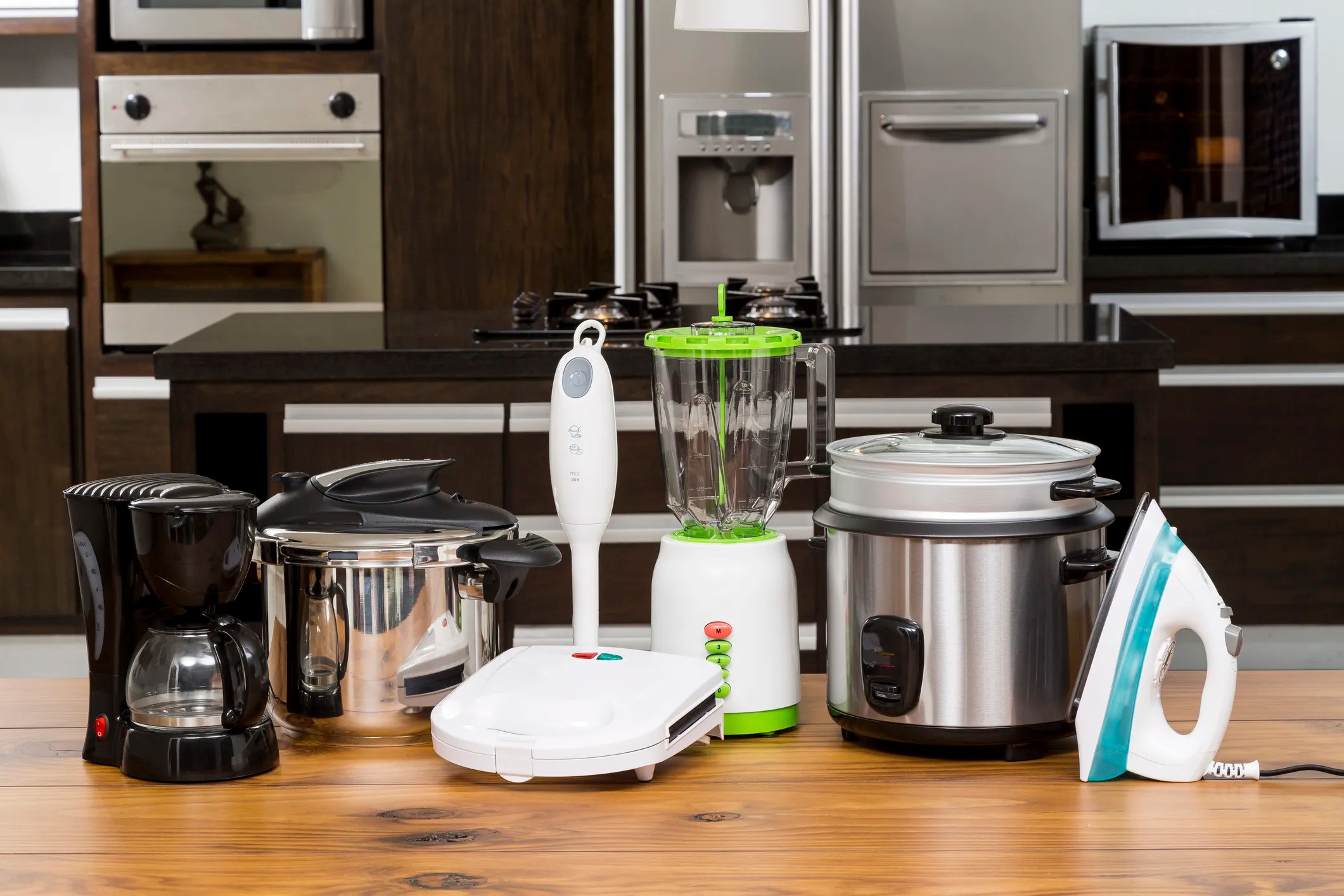
Everyday household appliances—ranging from vacuum cleaners, juicers, and lighted mirrors—can have environmental impacts throughout their lifecycles. The materials used to manufacture a product, the energy it consumes, the consumables (short-life materials, components, or fluids) required during operation, and what happens when the product reaches the end of its useful life can all contribute to its overall environmental footprint. AHAM 7002-2014, Sustainability Standard for Household Portable and Floor Care Appliances provides a framework for evaluating these considerations across the product lifecycle.
Importance of Household Appliance Sustainability
Household appliance sustainability matters because efficient devices use 10% to 50% less energy and water than standard models. Upgrading to efficient technology cuts greenhouse gas emissions, lowers monthly utility bills, and decreases the demand for fossil fuels, creating a cleaner environment for everyone. These modern devices also offer better performance, smart automation features, and higher resale value for your home.
AHAM 7002-2014 provides guidelines for evaluating the energy use of home appliances.
What Is AHAM 7002-2014?
AHAM 7002-2014 is the third in a family of product sustainability standards under development by AHAM, CSA Group, and UL intended for use by manufacturers, governments, retailers, and others to identify environmentally responsible products. The standard is based on a lifecycle approach for identifying the environmental impacts of household portable and floor care products in six key areas: consumables, energy, materials, end-of-life, performance, and manufacturing.
The objective of AHAM 7002-2014 is to serve as a practical measurement tool to assist portable and floor care manufacturers in evaluating the environmental sustainability of home appliances.
Scope of AHAM 7002-2014
AHAM 7002-2014 covers portable and floor care home appliances (air cleaners, fans, blenders, coffee makers, broilers, griddles, hair dryers, toothbrushes, floor scrubbers, etc.,) intended for household use, including:
- Air treatment appliances
- Food and beverage preparation appliances
- Countertop cooking appliances
- Personal care appliances
- Garment care appliances
- Floor care appliances
See Annex B, (informative) Product Categories, for a list of portable and floor care home appliances under these six headings.
AHAM 7002-2014 does not cover air treatment appliances containing refrigerants or portable and floor care appliances intended for commercial use; it does not cover portable or floor care appliances that are powered by primary cell batteries.
The Growing Importance of End-of-Life Considerations
The end of a product’s useful life is another important part of sustainability. Globally, electronic waste is increasing faster than formal recycling systems can manage it. In 2022, global e-waste generation reached an estimated 62 million tons; in 2025, global e-waste generation reached an estimated 65.3 million metric tons. This statistic shows that the amount of discarded electronic and electrical products is growing rapidly, creating greater challenges around responsible disposal, recycling, and resource recovery.
AHAM 7002-2014 incorporates end-of-life as one of its six sustainability areas, supporting the idea that sustainability cannot focus only on how a product is manufactured or used—it must also consider what happens when the product reaches the end of its useful life.
Where to Find AHAM 7002-2014
AHAM 7002-2014, Sustainability Standard for Household Portable and Floor Care Appliances is available on the ANSI Webstore.
Learn More
Learn more about sustainability related standards on the ANSI blog:
- ISO 14067:2018 – Carbon Footprint of Products Standard Revised
- What Is Sustainable Procurement? ISO 20400 & Its Benefits
- Accreditation and Sustainability (Part 3 of 3)
- ISO 14092:2026—Climate Change Adaptation
- Making AI Data Centers More Sustainable | Using Standards
- ASTM E2777-20: Vegetative (Green) Roof Systems
- ASTM D6400-23: Compostable Plastics Labeling
- Which Christmas Tree Is More Sustainable? Real vs. Fake
- Sustainable Holiday Shopping with ISO 59020 & ISO 59010
- Building Certifications for Energy Efficiency
- What Is Green Coding & Carbon-Conscious Coding?
- The Sustainability Trade-Offs of Generative AI Technology
- What Is an Environmental Management System (EMS)?
- IWA 48: Environmental, Social & Governance (ESG) Principles