


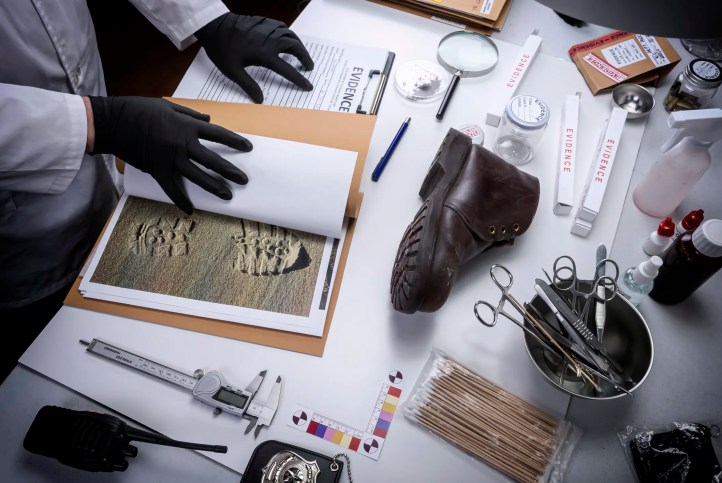
Decisions made by forensic professionals can influence investigations, legal proceedings, and how evidence is understood in court. Because of these high stakes, forensic decision making must be as objective, consistent, and scientifically sound as possible. Yet, forensic professionals are human, and human decision making is influenced by cognitive processes. Cognitive bias can affect how information is perceived, evaluated, and interpreted—even when an individual is highly trained, experienced, and committed to impartiality. Recognizing these potential influences is therefore an important part of strengthening forensic practices.
What Are Cognitive Biases?
Cognitive biases are unconscious mental tendencies that affect how people perceive information and evaluate evidence.
Does Cognitive Bias Can Affect Forensic Decisions?
Research has found that forensic professionals can be influenced by cognitive bias when evaluating evidence. A 2019 systematic review by Cooper and Meterko examined research across forensic science disciplines and found evidence that contextual information can influence analysts’ conclusions, particularly when that information relates to a suspect, crime scenario, an exemplar, or a previous examiner’s decision. This research supports the idea of susceptibility of forensic science practitioners to various types of cognitive bias.
How Cognitive Bias Can Influence Forensic Decisions
Since human judgment is naturally affected by expectations, prior beliefs, situational context, and the way information is presented, cognitive bias influences everyone—including law enforcement specialists. Forensics experts may, for instance, be influenced by contextual information, existing hypotheses, or the order in which evidence is presented. Because forensic science relies heavily on expert judgment, recognizing and addressing cognitive bias is an important consideration in the interpretation of evidence.
Ways to Reduce Cognitive Bias in Forensic Science
A 2023 article on reducing cognitive bias in forensic science presents generalized and specific actions that forensic science practitioners can take to reduce the impact of cognitive bias in their work, including using validated and standardized procedures, considering alternative interpretations, documenting the basis for analytical decisions, and recognizing factors such as stress and mental fatigue. The authors also highlight organizational safeguards, such as controlling unnecessary case information, using blind verification, and managing the sequence in which information is provided.
Building Stronger Forensic Decision Making with Training
For forensic laboratories and other organizations where impartial, technically sound decisions are essential, identifying potential sources of bias is an important part of strengthening decision-making processes. Training is an important part of this effort because it helps forensic professionals recognize cognitive pitfalls, understand how human factors can influence judgment, and apply strategies for reducing their potential impact. Through appropriate procedures, information management, organizational safeguards, and training, organizations can work to reduce the potential impact of cognitive bias and support more reliable professional judgments.
Learn More About Cognitive Factors in Forensic Decision Making
For professionals who want to explore the science behind cognitive and human factors and learn practical strategies for recognizing and minimizing potential bias, ANAB offers Cognitive and Human Factors in Forensic Decision Making, an eight-hour live training course. This training is taught by Dr. Itiel Dror: a cognitive neuroscientist who received his Ph.D. in Harvard in cognitive factors in human expert performance and has since published over 150 peer-reviewed articles specifically looking at cognitive factors that mediate expert performance.
ANAB Expert-Led Training from Dr. Itiel Dror?
Dr. Itiel Dror has extensive experience working with forensic laboratories, professional organizations, and government bodies on cognitive and human factors in forensic science, including serving as Chair of the OSAC Human Factors Group and contributing to major national forensic science initiatives. He has successfully delivered cognitive and human factors training to forensic laboratories in the U.S. and internationally and has provided expert testimony in criminal cases, bringing both practical forensic and courtroom experience to his training.
Cognitive and Human Factors in Forensic Decision Making is focused on practical skills for recognizing cognitive pitfalls, addressing potential bias, and enhancing forensic decision making. This online training also connects cognitive science to practical forensic work and includes discussions of challenging court cases involving cognitive factors. Sign up to gain practical tools and strategies for recognizing potential sources of cognitive bias and applying human factors principles to support more objective, reliable forensic decisions.