Clean Water Act 401 Certification

Section 401 of the Clean Water Act (CWA) empowers states and tribes to protect water quality by certifying that federally permitted discharges will meet applicable standards. Reliable environmental data is critical for demonstrating compliance, and the use of accredited laboratories, such as those accredited by ANAB, helps assure that water quality monitoring is accurate, defensible, and trustworthy.
What Is Clean Water Act (CWA) Section 401 Certification?
Clean Water Act (CWA) 401 certification is required for activities that require a federal license or permit and may result in discharge into Waters of the United States. Waters of the United States include interstate waters, some intrastate waters, and other waters defined under the Clean Water Act.
Preserving State and Tribal Authority Through CWA 401 Certifications
CWA 401 plays a significant role in ensuring that federally licensed or permitted activities that may result in a discharge into Waters of the United States do not undermine state or tribal authority to protect water quality. Some Federal licenses or permits under CWA 401 include permits issued for the discharge of dredged or fill material, federal licenses for hydropower facilities, and certain National Pollutant Discharge Elimination System permits. Through CWA 401, states and tribes may approve or deny certification, and any conditions the state or tribe impose become enforceable conditions of the federal permit.
Authority and Basis for Issuing CWA 401 Certifications
States and authorized tribes can issue CWA 401 certifications. These entities issue certifications based on whether the discharge-related activity will comply with state or tribal requirements, including water quality standards.
CWA 401 is therefore not a certification issued after the discharge activity or based on a measurement of past activity, but rather, the certification declares the discharge will be conducted according to established requirements.
Water Quality Monitoring Under CWA 401
Monitoring and reporting requirements included in CWA 401 certification often remain active throughout the duration of the permitted activity. These requirements intend to demonstrate ongoing compliance with water quality standards as they relate to pollutants, temperature, turbidity, nutrients, and other parameters. Where water quality sampling is required, regulated entities frequently rely on independent environmental laboratories to generate data used to demonstrate compliance.
Role of ANAB-Accredited Laboratories in Ongoing CWA 401 Monitoring
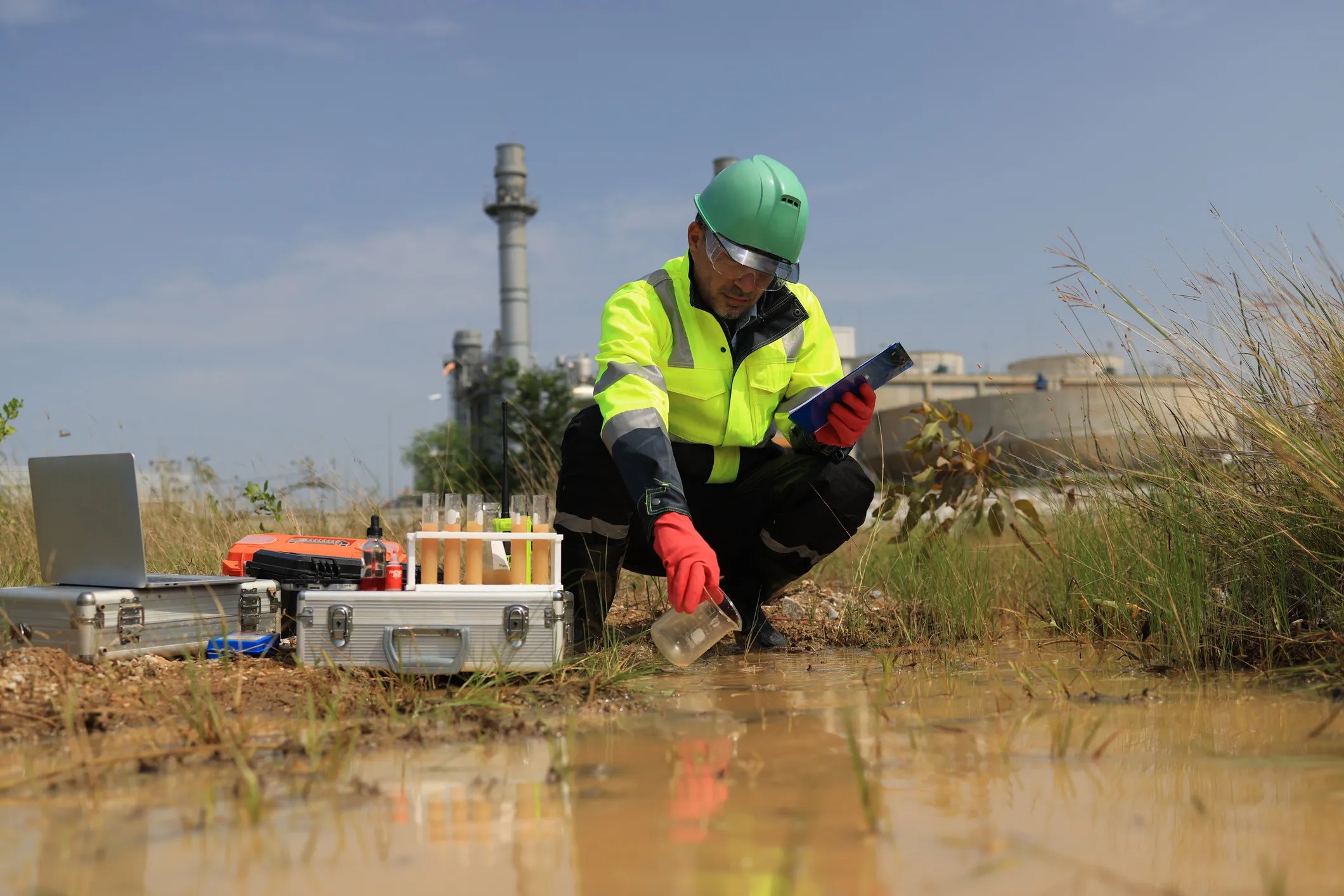
Ongoing monitoring conditions may require the discharge to be monitored to ensure the certification remains valid. This monitoring may include taking water samples from the discharge site to ensure the discharge meets applicable water quality standards. While the states or tribes issuing the certification do not undergo third-party accreditation, the collection and analysis of water samples could be undertaken by laboratories that hold ANAB accreditation.
CWA Section 401 regulations have undergone revision. However, there is no requirement for accreditation of states or tribes to issue these certifications. Therefore, ANAB’s role could remain limited to accrediting laboratories that test water quality samples, rather than accrediting regulatory agencies or permitting authorities responsible for certification decisions.
ANAB-Accredited Laboratories Assure Reliable Environmental Data for CWA 401 Compliance
ANAB assesses accredited laboratories for technical competence, quality management systems, and conformance with internationally recognized standards such as ISO/IEC 17025, General requirements for the competence of testing and calibration laboratories. Accreditation provides assurance that the laboratories use validated methods, maintain quality controls, ensure staff competence, and produce valid results. These elements are important when data is used to demonstrate compliance with permits for which noncompliance can carry legal or regulatory consequences.
Use of ANAB-accredited laboratories increases confidence in the reliability of data that supports environmental monitoring requirements. Although ANAB does not accredit certification authorities under CWA 401, its accreditation programs can support the CWA by strengthening the quality of environmental data used by regulated entities. As revisions to CWA 401 continue to clarify requirements, the role of accredited laboratories remains important to implementation, even though accreditation is not required for certifying authorities.