How ISO 22000 Improves U.S. Food Safety
The United States food safety system is often described as one of the most advanced in the world, but beneath the surface, it is highly…

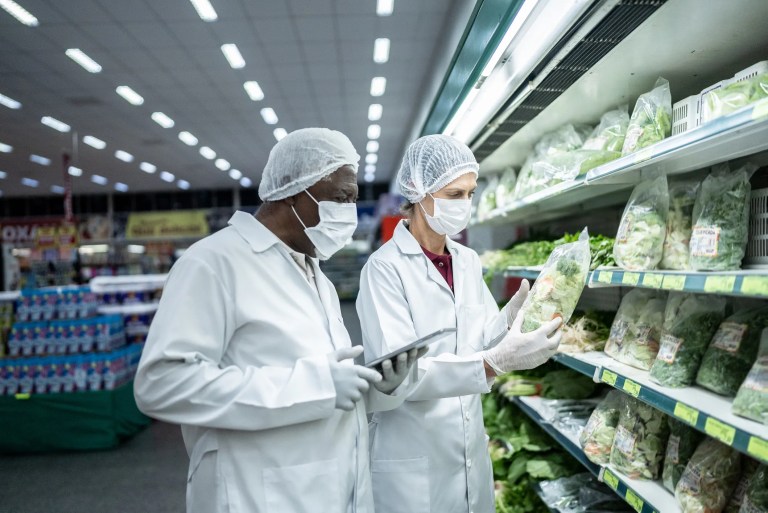
The United States food safety system is often described as one of the most advanced in the world, but beneath the surface, it is highly…
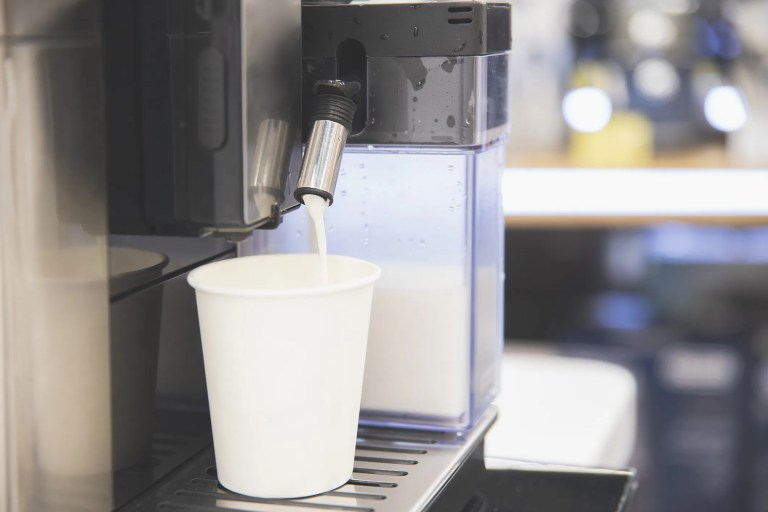
In today’s foodservice and institutional environments—schools, hospitals, cafeterias, and commercial kitchens—milk is more than just a staple. It is a high-risk perishable product that requires…
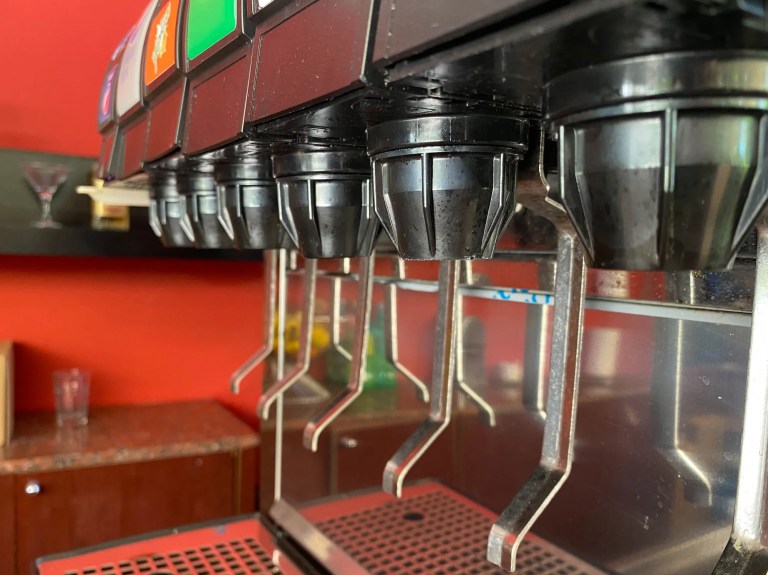
Picture this: you are at a self-serve soda station, pulling a crisp, fizzy drink; scooping granola from a bulk dispenser at a trendy hotel breakfast…
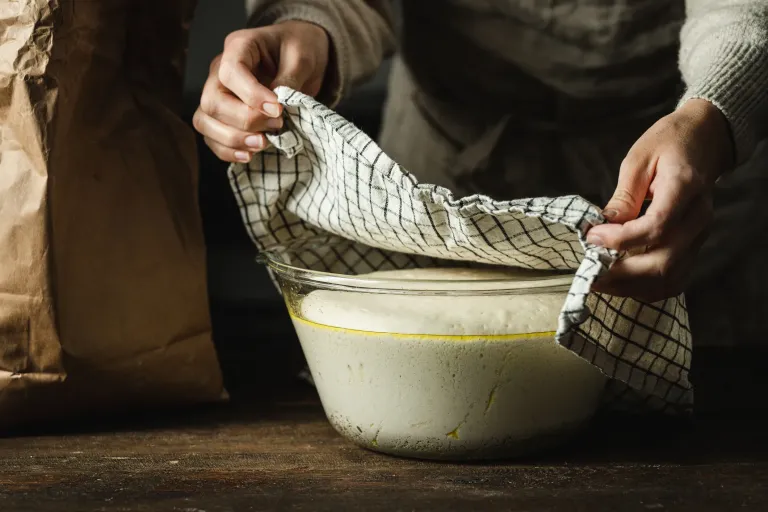
During the 1848 California Gold Rush, and especially the 1898 Klondike/Alaska Gold Rush, miners earned the nickname “sourdough” because they carried fermented bread starters everywhere….
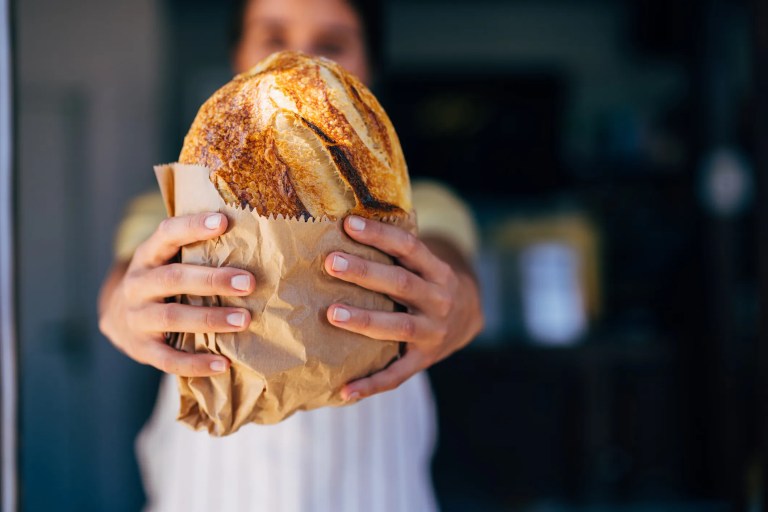
Long before commercial yeast existed, humans relied on wild fermentation to transform flour and water into bread, a practice dating back more than 6,000 years….
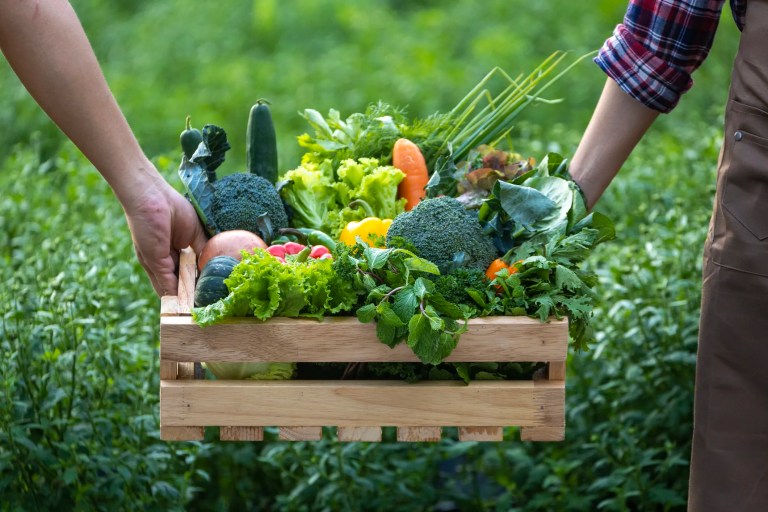
More and more Americans are interested in how their food is produced, processed, and distributed. 81% of consumers deem transparency “important” or “extremely important.” This…
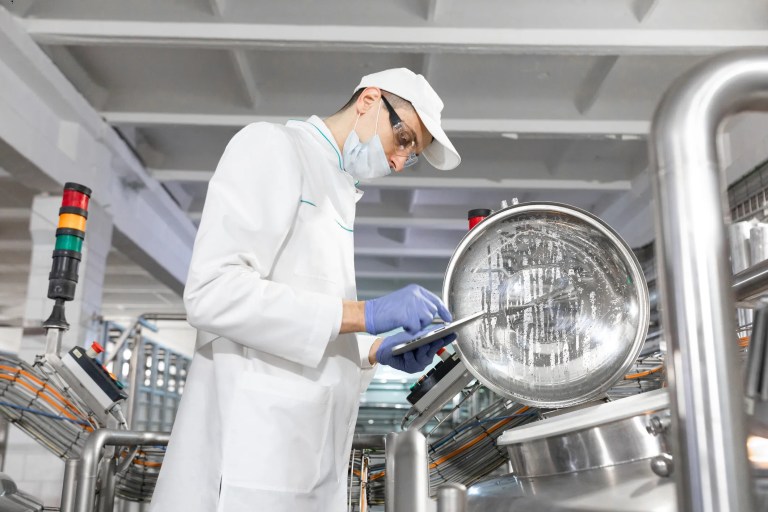
When was the last time you dined at a restaurant or ordered take-out? On average, a person dines out 3 times per month and orders…
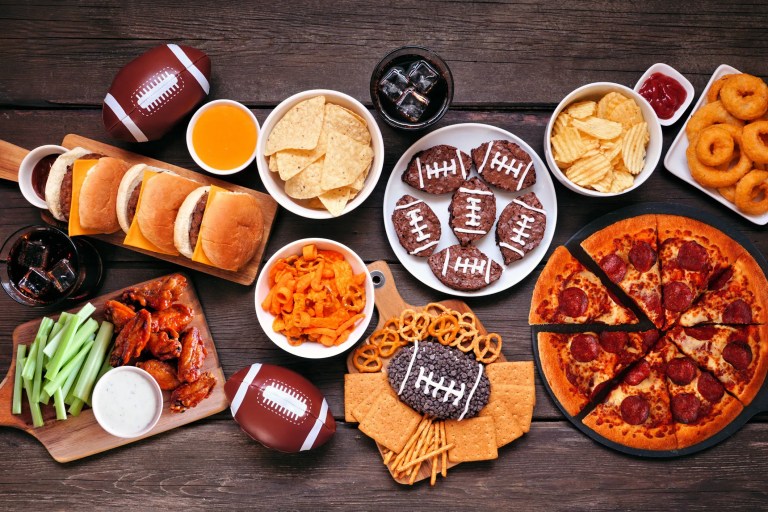
Super Bowl Sunday is the second-largest food consumption day in the United States, behind only Thanksgiving. One in seven (i.e., 48 million) Americans will order…

More than 90% of people in the United States consume caffeine, and 75% of that group admits to having it daily. Many people say it…