Why Is ISO 9001 the Universal Standard?
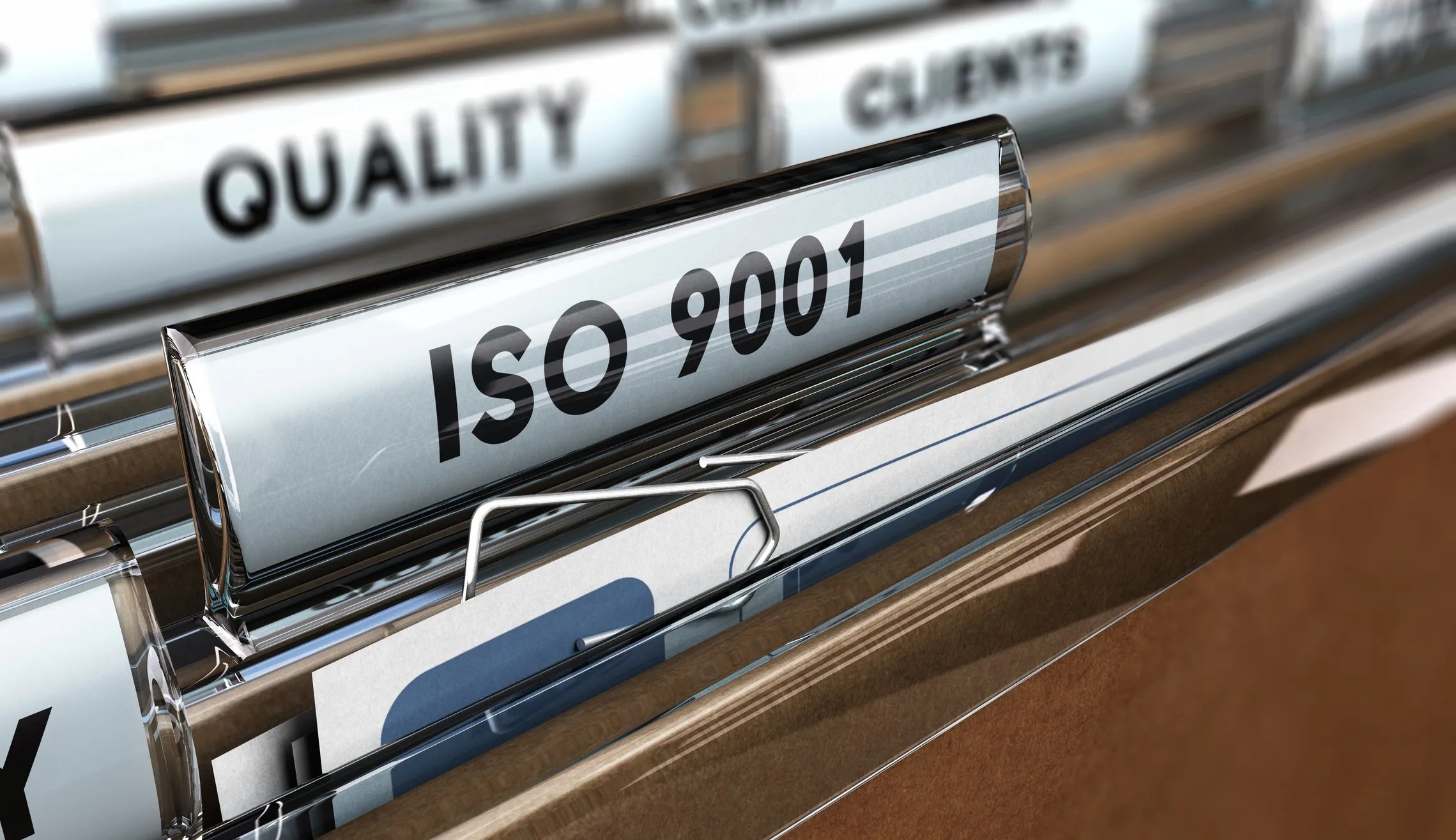
ISO 9001:2026 is a globally recognized and widely adopted standard for Quality Management Systems (QMS)—a formalized system that defines and documents an organization’s processes, procedures, and responsibilities for achieving quality policies, practices, and objectives—and it is considered by many to be a universal standard for industries for several reasons.
ISO 9001:2026 has replaced ISO 9001:2015. It introduces updates designed to reflect today’s business realities: digital transformation, resilience, ethics, organizational culture, and sustainability-driven stakeholder expectations. ISO 9001:2026—Quality Management Systems Requirements explains the changes in the 2026 edition of ISO 9001.
Global Recognition and Acceptance
ISO 9001:2026 is a globally recognized standard for Quality Management Systems (QMS) developed through international consensus, establishing a common language and framework for businesses and organizations worldwide. It is recognized and respected worldwide, making the standard crucial for organizations seeking to partner with companies across different countries.
Facilitating International Trade
ISO/FDIS 9001:2026 helps reduce technical barriers to international trade by providing a shared understanding of technical requirements and quality assurance standards. This makes it easier for companies to understand and comply with different market requirements, streamlining processes and reducing trade costs.
Demonstrates Commitment to Quality
Implementing ISO 9001:2026 in business operations shows that products and services are of high quality. Furthermore, achieving ISO 9001:2026 certification is an internationally recognized mark of dependability; the certification signals an organization’s commitment to quality management, customer satisfaction, and continual improvement to both internal and external stakeholders. This can enhance brand reputation, build trust, offer a competitive edge, and enable companies to enter overseas with fewer risks.
Applicability Across Industries and Sizes
ISO 9001:2026 is a flexible standard that focuses on quality management, which can be applied to organizations of any size and across various sectors, including manufacturing, services, sustainability, construction, technology, healthcare, aerospace, food and beverage, financial services, and education.
Foundation for Other Standards
ISO 9001:2026 often acts as a springboard for other, more specialized, industry-specific standards. It provides a broad, holistic framework that organizations can adapt and build upon to meet the unique requirements of their particular industry. Essentially, it is a globally recognized benchmark for quality management that many other standards leverage or integrate into their own framework.

Focus on Customer Satisfaction
ISO 9001:2026 emphasizes a strong customer focus, urging organizations to understand and meet customer needs and expectations. This is achieved through a structured approach to quality management that focuses on identifying customers requirements, developing processes to meet them, and continuously improving those processes based on customer feedback.
Emphasis on Process Approach and Continual Improvement
ISO 9001:2026 encourages a process-oriented management approach, promoting efficiency, effectiveness, and a culture of continuous improvement within organizations. The standard emphasizes a process approach and continual improvement, which means viewing the organization as a system of interconnected processes, rather than isolated departments and constantly striving to improve those processes through systematic methods like the Plan-Do-Check-Act (PDCA) cycle.
Decreased Costs
ISO 9001:2026 encourages organizations to document and standardize their processes, leading to increased efficiency and reduced waste. In other words, enhancing quality management reduces the likelihood of faults, which in turn minimizes the need for costly replacements of machinery and products. Additionally, the standard’s emphasis on risk-based thinking helps prevent issues before they escalate, saving on potential costs associated with product recalls, downtime, and legal disputes.
Risk-Based Thinking
ISO 9001:2026 integrates risk-based thinking, enabling organizations to proactively identify and address risks and opportunities. The standard requires organizations to identify and manage risks effectively, helping them to anticipate and mitigate potential issues before they escalate.
Data Driven Approach
ISO 9001:2026 emphasizes the importance of data as a vital process to achieve consistent quality. By relying on facts, figures, and measurable insights to drive decisions, organizations can address gaps and continuously improve their operations. This data-driven approach assures a more systematic response to challenges, enhances efficiency and helps maintain a high standard of service or product quality over time.
Integration with Other Management Systems
ISO standards are structured similarly because this facilitates their integration with other management system standards, helping improve overall efficiency and effectiveness. This unified approach combines multiple ISO standards, like those for quality (ISO 9001:2026), environment (ISO 14001), and occupational health and safety (ISO 45001), into a single cohesive system. The goal of management system integration is to streamline time and effort spent on overlapping standards requirements.
The World’s Most Universal Quality Standard: ISO 9001
ISO 9001:2026 is a truly remarkable standard largely because it provides a QMS that can be applied across all industries, regardless of their size or location. By implementing an ISO 9001:2026 compliant QMS, organizations can streamline their processes, reduce errors, meet customer expectations, build trust with (global) clients and stakeholders, drive for continuous improvement, and produce consistently high-quality products and services. So, what do you think—is ISO 9001:2026 deserving of its renowned reputation of international prestige and recognition?
ISO 9001:2026 Quality Management Systems – Requirements is available on the ANSI Webstore as well as in various Standards Packages:
- BS ISO 45001 / ISO 9001 / ISO 14001 – Occupational Health and Safety Requirements Package
- ISO 10012 / ISO 9000 / ISO 9001 Quality Measurement Management Systems Package
- ISO 10015 / ISO 10018 / ISO 9001 – Quality Management – People Engagement and Development Package
- ISO 10018 / ISO 9001 / ISO 14001 – Quality and Environmental Management ESG Package
- ISO 13485 / ISO 9001 – Medical Devices Quality Management Set
- ISO 45001 / ISO 9001 / ISO 14001 – Occupational Health and Safety Requirements Package
- ISO 50001 / ANSI/MSE 2000 / ISO 9000 / ISO 9001 – Energy and Quality Management Package
- ISO 50001 / ISO 9001 / ISO 14001 – Energy Quality and Environmental Management Systems Package
- ISO 9000 / ISO 9001 / ISO 9004 / ISO 19011 – Quality Management Package
- ISO 9000 Collection 1
- ISO 9000 Collection 2
- ISO 9001 / ISO 10017 – Quality Management Statistical Techniques Set
- ISO 9001 / ISO 13485 – Quality Management for Medical Devices Set
- ISO 9001 / ISO 14001 – Quality and Environmental Management Set
- ISO 9001 / ISO 14001 / ISO/IEC 27001 / ISO 31000 / ISO 55001 / ISO 22301 – ISO Requirements Collection
- ISO 9001 / ISO 19011 – Quality Management Auditing Set
- ISO 9001 / ISO 9004 / ISO 10010 – Quality Management ESG Package
- ISO 9001 / ISO/TS 9002 – Quality Management Systems Set
- ISO 9001 and ISO 9000 – Quality Management Set
- ISO 9001 and ISO/TS 16949 Automotive Production Quality Management Systems
- ISO 9001 Quality Management for Small Businesses Package
- ISO/IEC 17025 / ISO 9001 – Quality Management Requirements for Testing and Calibration Laboratories Set
- ISO/IEC 20000-1 / ISO/IEC 27001 / ISO 9001 – Information Technology Quality Management Package
- ISO/IEC 27001 / ISO 9001 – Information Technology Quality Management Set
- ISO/IEC 27001 / ISO/IEC 27002 / ISO 9001 – Quality and Information Security Management Package
- Personnel Certification
- SAE AS 9100D and ISO 9001 – QMS Requirements Set
You can learn more about ISO 9001:2026 in our videos: