


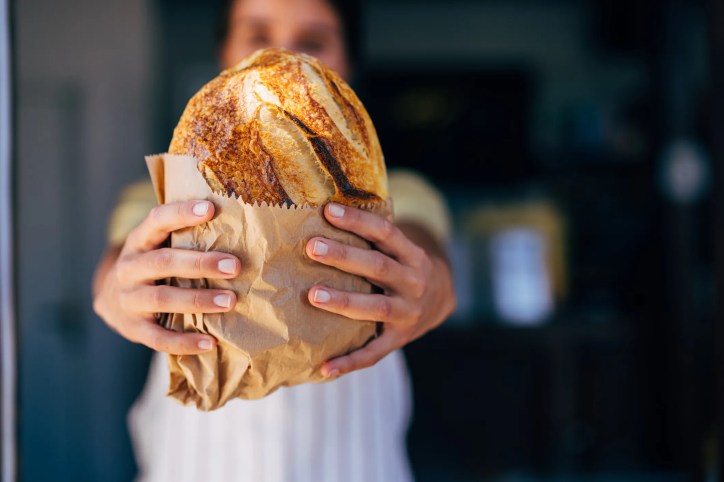
Long before commercial yeast existed, humans relied on wild fermentation to transform flour and water into bread, a practice dating back more than 6,000 years. Today, sourdough is made and enjoyed worldwide, known by many names and shaped by local microbes, traditions, and techniques. As sourdough has moved from ancient hearths to modern bakeries, international (ISO) standards now play a key role in assuring the safety, consistency, and quality of this naturally fermented bread—bridging time-honored tradition with modern food science.
What Is Sourdough Bread?
Sourdough bread is known in almost every country around the world, and each culture has a different name for sourdough. The French call it levain, Italians call it lievito madre or lievito naturale, the Germans call it sauerteig, in Denmark it’s called surdej, the Spanish call it masa madre, and the Russians say zakvaska. The word sourdough’ is used to describe the process of fermenting flour, water, and salt to make bread, and as a name for the bread itself.
Sourdough bread refers to a fermented, tangy bread made without commercial yeast, but instead it relies on a “starter:” a live, fermented culture of flour and water containing wild yeast and lactic acid bacteria (LAB). This slow, natural fermentation process gives sourdough bread a distinct sour taste, chewy texture, improved digestibility, and longer shelf life compared to conventional bread.
The Microbial Science Behind Sourdough Starters
After making the initial sourdough starter from just flour and bread, a symbiotic microbial community blooms. The live microorganisms (i.e., certain kinds of LAB and yeast) that inhabit sourdough starters are responsible for the unique aspects of sourdough bread, including its flavor and extended shelf life. Essentially, each sourdough starter is a living ecosystem, home to a one-of-a-kind community of wild yeasts and LAB that come from its surroundings—the flour used, the water, the baker’s hands, and even the local air. Over time, these microbes settle into a stable balance, working together to ferment the dough.
Because no two environments are exactly the same, no two starters are microbiologically identical. Scientists have identified dozens of yeasts and bacteria species in sourdough cultures, and the exact ratios can vary dramatically from kitchen to kitchen. This is why a starter maintained in San Francisco produces a distinctly different flavor than one grown in Paris or Tokyo, even when using the same recipe.
ISO 7218:2024: Assuring Accurate Microbiological Testing in Bread
Assuring accurate microbiological testing in bread is critical to guarantee consumer safety by detecting harmful pathogens (e.g., Salmonella, E. coli) that cause foodborne illnesses. ISO 7218:2024 specifies requirements and gives guidance on microbiological examinations of food, including bread, bakery products, and flour. This standard assures that microbiological tests on food products like bread are consistent and accurate, which is crucial for identifying pathogens or spoilage organisms.
Standard for Making Sourdough Bread
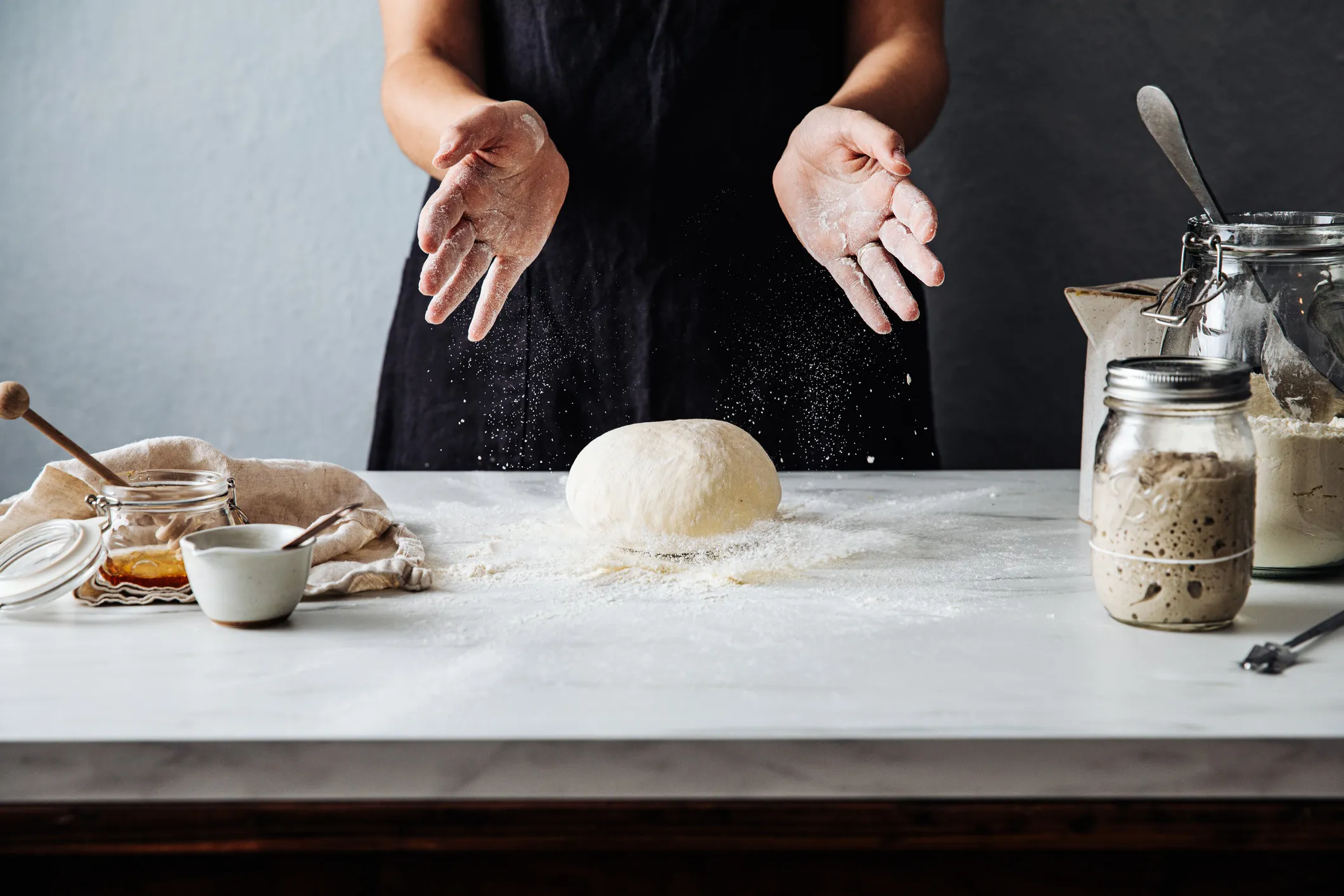
The standard for making sourdough bread relies on a natural, wild-yeast starter, requiring time for fermentation rather than commercial yeast, typically producing a tangy flavor and chewy texture. A standard loaf generally follows a 70–80% hydration level, 1.8% to 2.2% salt of the total amount of flour or 10-12g of fine sea salt, 500 grams of bread flour to yield one loaf of sourdough, 350g of warm water, and 100g of active sourdough starter (fed 4-8 hours prior).

Sourdough Bread Best Practices
At its best, sourdough bread is:
- Made with wild yeast & lactic acid bacteria
- Long fermentation, often 12–36 hours or more
- Free of commercial yeast, artificial acids, and preservatives
- Flavorful, nutritious, and tied to ancient baking traditions
While there is no global legal definition of sourdough yet, international (ISO) standards establish frameworks for assuring the safe craftmanship in breadmaking.
ISO Standards for Bread-Making
ISO 6820:1985, ISO 5530-1:2026, and ISO 22000:2018 act as foundational technical and safety frameworks that assure consistency, quality, and safety in the production of breadmaking, such as sourdough.
ISO 6820:1985—Guidance on Bread-Making Tests
ISO 6820:1985 provides general guidance for drafting bread-making tests for wheat and rye flours. It assures consistent, high-quality evaluation of flour performance in baking, covering procedures for both commercial and experimental, as well as rye flours, focusing on standardized methodology.
For sourdough, ISO 6820:1985 acts as a guideline to standardize how a bakery tests how a specific flour performs under long-fermentation conditions, including water absorption, fermentation times, and dough handling. The standard assures no element is left unconsidered when analyzing the bread-making potential of flours intended for artisanal or industrial sourdough.
ISO 5530-1:2026— Rheological Properties of Dough Using a Farinograph
ISO 5530-1:2026 defines the use of a farinograph (i.e., a tool to assess baking qualities and performance of wheat flour doughs) to measure the physical properties of dough, such as water absorption, dough development time, and stability. In sourdough, these measurements are critical because the long fermentation process (and the associated drop in pH) breaks down gluten and makes the dough softer.
ISO 5530-1:2026 is used for quality control in milling and baking industries to determine how much water is needed to reach a specific dough consistency.
ISO 22000:2018—Food Safety
ISO 22000:2018 provides requirements for a comprehensive food safety management system (FSMS), assuring a product is safe from “farm to table.” It covers raw material sourcing, production, and distribution.
In the context of artisan or industrial sourdough, ISO 22000:2018 assures that the complex, natural fermentation process is controlled to prevent hazards while maintaining quality. Further, it helps bakeries manage risks specific to sourdough, such as maintaining the health of the starter culture, preventing contamination, and ensuring consistent fermentation
Where to Find ISO Breadmaking Standards
ISO 6820:1985, ISO 5530-1:2026, and ISO 22000:2018 are available on the ANSI Webstore.
ISO Standards for Food Safety
You can also learn more about ISO standards for food safety in the following ANSI Blog posts:
- ISO Standards Assure Safe, Quality Super Bowl Snacks
- Differences between European and American Food Standards
- ISO 22003-1:2022— Food Safety
- ISO 22000-1:2025—Prerequisites Programs on Food Safety
- Health Risks of Ultra-Processed Foods & Food Safety
- Is Your Food Safety Management System Ready for the Post-Pandemic World?